Man Seriously Injured in Bear Attack
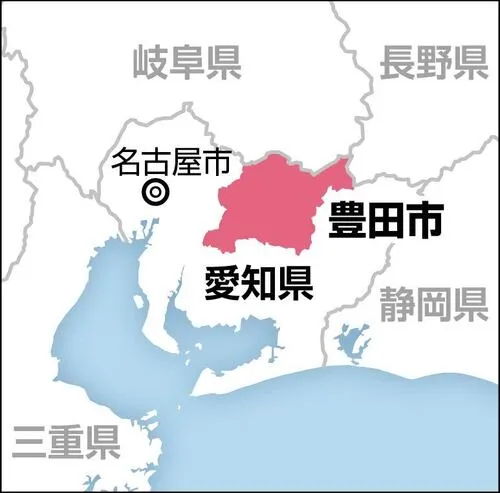
A 59-year-old company employee was seriously injured after being attacked by a bear outside his home in Toyota, Aichi Prefecture, on the morning of the 11th, according to police and local authorities.
The incident occurred at approximately 7:20 a.m. in Obara-Kitamachi, a rural area of Toyota City. The man was reportedly at the entrance of his house when a single bear attacked him. He suffered serious injuries, including wounds to his head, and was transported to hospital by emergency services.
Authorities said his injuries were not considered life-threatening. The incident nevertheless highlights the risks faced by residents in parts of central Japan where communities are located close to forested hills and wildlife habitats.
Search Fails to Locate Bear
Police officers, Toyota City officials and members of a local hunting association searched the surrounding area after the attack. However, the bear was not found.
Investigators did discover claw marks on a nearby tree. The marks are believed to have been made by an Asian black bear, known in Japan as a “tsukinowaguma,” or Japanese black bear. Authorities are continuing to assess the evidence and determine whether the animal involved can be identified with certainty.
Residents in the area may be advised to remain vigilant, avoid approaching wildlife and report sightings to local authorities. Japanese municipalities commonly issue warnings through official websites, emergency communication systems and community networks when bears are reported near residential areas.
Bear Sightings Rising in Northern Aichi
According to the Aichi Prefectural Government, 58 bear sightings had been reported across the prefecture by September 30 of the relevant fiscal year. Reports were concentrated mainly in northern parts of Aichi, including the area around Toyota.
The attack is also being described as Aichi’s first human injury caused by a bear in approximately seven years, since October 2019. While bear encounters remain uncommon for most visitors to Japan, the risk can increase during periods when bears move closer to communities in search of food.
What Residents and Visitors Should Know
Japan’s mountainous regions offer rich forests, scenic hiking routes and close connections to nature, but that environment also means that wildlife encounters are possible. Bears may appear near homes, roads, farms and trails, particularly in areas bordering woodland.
People in bear-prone regions are generally encouraged to avoid walking alone in remote areas, make noise while hiking, keep food and rubbish secured, and never approach a bear. If a bear is seen, maintaining distance and contacting local authorities is safer than attempting to photograph or chase it away.
The incident in Toyota underscores the importance of cooperation among residents, police, municipal officials and wildlife specialists. Authorities are expected to monitor the area and provide further guidance as they work to determine whether the bear remains nearby.