Japan tests a new route toward cleaner shipping
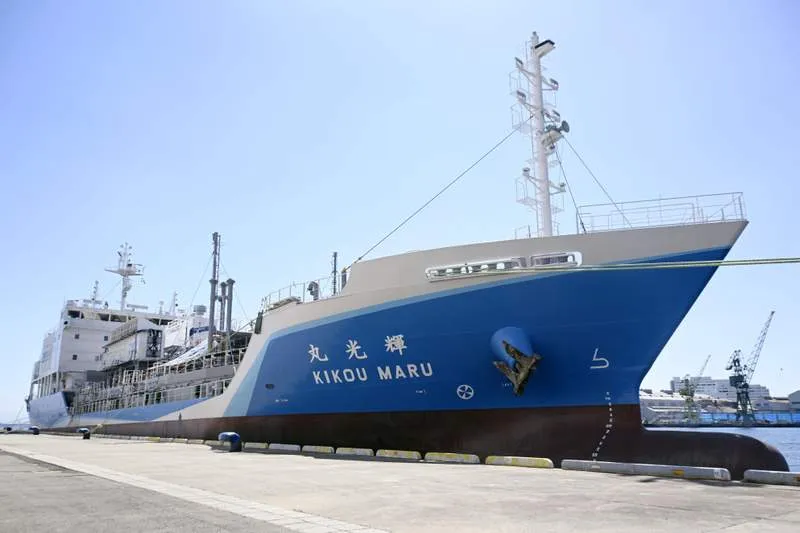
Japan has reported a significant step in the development of low-carbon maritime technology, announcing that a vessel powered by a hydrogen-dedicated engine successfully completed a demonstration voyage in Osaka Bay. The Nippon Foundation said on the 30th that the achievement marked the world’s first successful navigation by a ship using this type of engine.
The demonstration was conducted on the 25th by a consortium led by the Nippon Foundation. A tanker equipped with an engine manufactured by Yanmar Power Technology-related operations in Amagasaki, Hyogo Prefecture, and other participating companies sailed for approximately two hours in Osaka Bay. The engine used hydrogen as its main fuel, together with a small amount of biofuel.
How the hydrogen engine works
Unlike a conventional marine engine that primarily burns heavy fuel oil or marine diesel, a hydrogen-dedicated engine is designed to use hydrogen as its principal energy source. Because hydrogen contains no carbon, its use can substantially reduce carbon dioxide emissions during operation compared with fossil-fuel-powered engines. The Nippon Foundation described the vessel as producing almost no CO2, although the overall environmental impact will also depend on how the hydrogen itself is produced and transported.
The project is part of Japan’s broader effort to reduce emissions from the maritime sector while preserving the practical advantages of internal-combustion engines. Shipping remains essential to Japan, an island nation that relies heavily on maritime transport for energy, raw materials, food and manufactured goods. Cleaner propulsion systems could therefore have importance not only for environmental policy but also for the long-term resilience of Japan’s logistics network.
Demonstration provides data for future development
At a press conference in Kobe, Mitsuyuki Unno, executive managing director of the Nippon Foundation, welcomed the successful voyage while acknowledging that major challenges remain. He pointed to the high cost of hydrogen technology and the difficulty of securing suitable refueling locations as issues that must still be addressed.
Hydrogen-powered shipping faces several practical hurdles. Ports need specialized storage and refueling equipment, while vessels require systems capable of safely handling hydrogen. The fuel can also be expensive, particularly when produced using low-carbon methods. Building a dependable supply chain will require cooperation among shipping companies, engine manufacturers, port authorities, energy providers and governments.
Why the achievement matters
The Osaka Bay voyage was a demonstration rather than a full commercial operation, but it offers valuable real-world information about the performance, safety and operational requirements of hydrogen combustion engines at sea. Sharing the data gathered during the test could help accelerate technological improvements and support the creation of common standards for hydrogen-powered vessels.
Japan has long combined industrial engineering expertise with ambitious environmental goals, from advanced automobiles and robotics to energy-efficient infrastructure. The latest maritime project reflects that tradition. While hydrogen is not yet a universal solution for shipping, this successful test strengthens Japan’s position in the global race to develop cleaner vessels and could contribute to the gradual decarbonization of international maritime transport.