China announces broader technology export controls
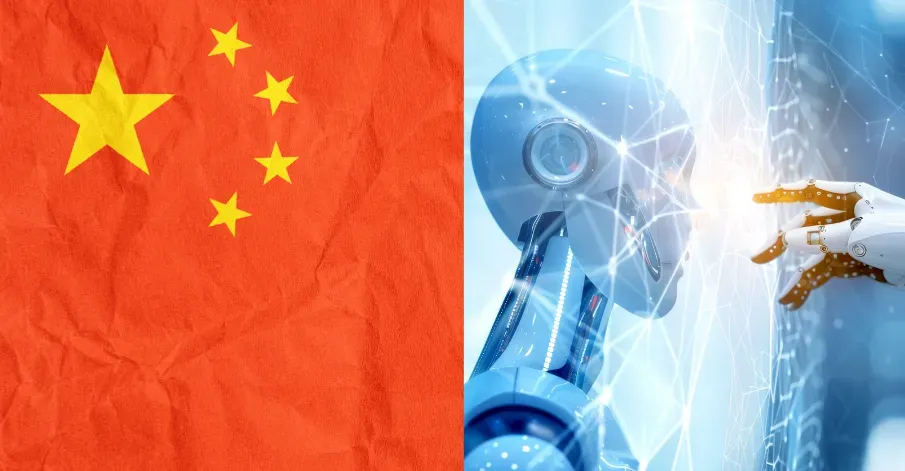
China’s government announced on the 16th that it plans to strengthen export controls covering three strategically important sectors: artificial intelligence, biopharmaceuticals and solar power generation. The proposed measures would apply to 40 categories of technology, including advanced capabilities that could have significant implications for international trade, research and industrial cooperation.
China’s Ministry of Commerce began a public consultation on the proposed controls the same day. The consultation period is scheduled to remain open until November 15, giving companies, researchers and other interested parties an opportunity to submit their views before the rules are finalized.
Large language models included in proposal
The AI-related categories reportedly include technologies connected to large language models, or LLMs, which form the foundation of many generative AI systems. These technologies are increasingly important in areas ranging from cloud computing and software development to healthcare, manufacturing and financial services.
Chinese authorities said the measures are intended in part to prevent AI technology from creating risks to national security. The proposed controls also cover biopharmaceutical technologies and solar power-related technology, sectors in which China plays a major role in global production and supply chains.
The inclusion of solar technology is particularly significant. China is a leading producer of solar panels, components and manufacturing equipment, while countries around the world are seeking to expand renewable energy capacity and reduce carbon emissions. Any additional export requirements could affect procurement plans, technology partnerships and investment decisions in international markets.
Beijing says no specific country is being targeted
In a statement issued by a ministry spokesperson, China’s Ministry of Commerce emphasized that the export controls are “not targeting any particular country or region.” The ministry said many countries have adopted export control measures and described China’s approach as an effort to prevent the improper spread of technology while safeguarding normal international exchanges and cooperation.
The wording reflects the increasingly complex environment surrounding advanced technology trade. Governments are attempting to protect national security and sensitive intellectual property while also avoiding unnecessary disruption to legitimate commerce, scientific research and global supply chains. The balance is especially delicate in fields such as AI and biotechnology, where innovation often depends on international collaboration.
Potential implications for Japan and global business
For Japan, the proposed rules could be important because Japanese companies and research institutions maintain extensive commercial and scientific links with China. Japanese businesses operating in AI, pharmaceuticals, renewable energy and advanced manufacturing may need to monitor the final list of controlled technologies and assess whether additional licenses or approvals will be required.
Japan is also strengthening its own capabilities in generative AI, life sciences and clean energy. The new Chinese proposal could encourage Japanese policymakers and companies to diversify supply chains, invest in domestic research and develop partnerships with trusted international suppliers. At the same time, continued communication with Chinese counterparts will remain valuable for preserving stable trade and responsible technological cooperation.
The public consultation is an important next step. Details such as the precise technologies covered, licensing procedures, exemptions and enforcement mechanisms will determine the practical impact of the policy. International companies are likely to study the final regulations closely before adjusting their export, investment and research strategies.