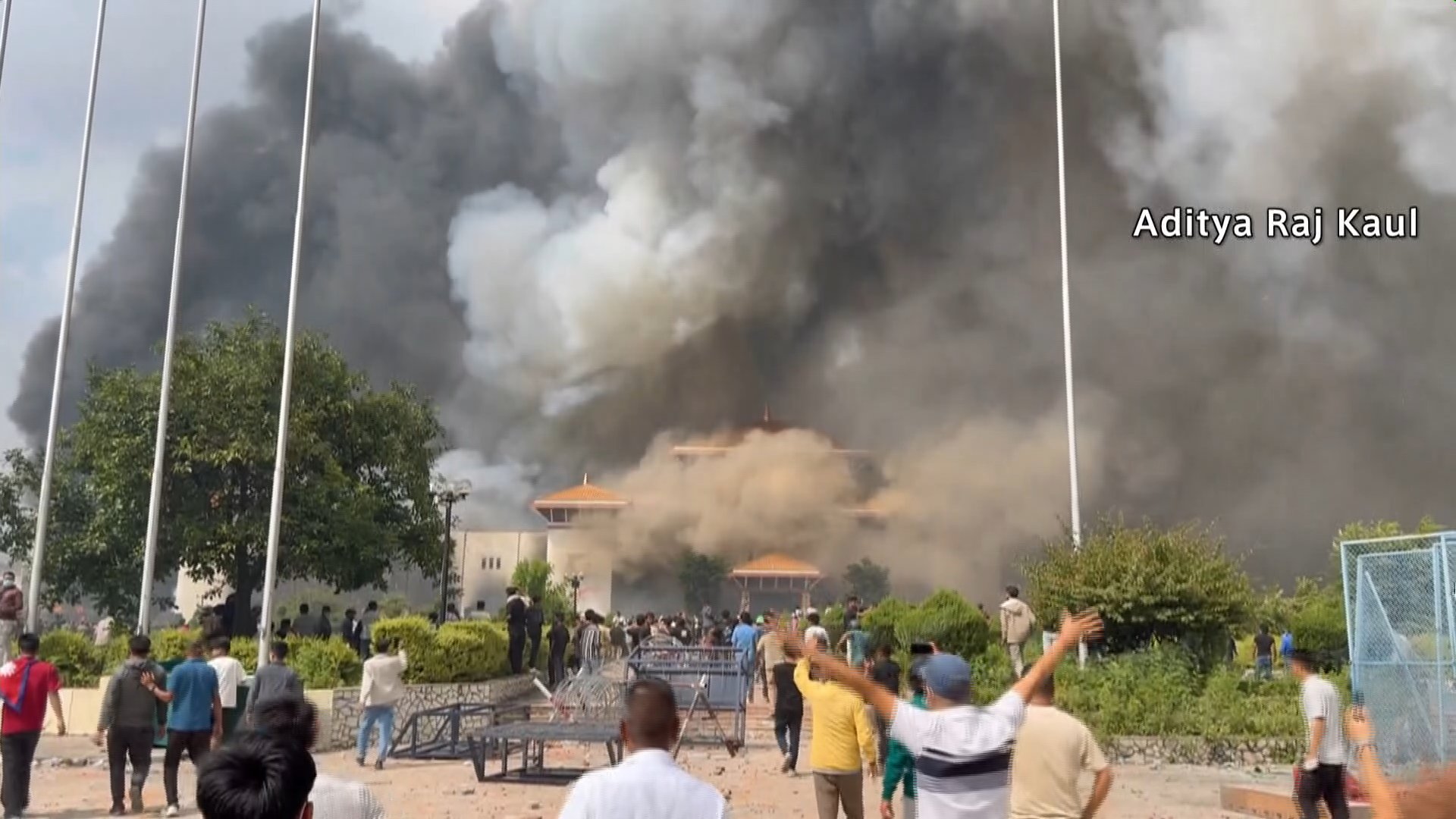
Nepal descends into violent turmoil as protests against government social media restrictions escalate into widespread riots, attacks on politicians, and mass prison breaks, creating dangerous conditions for residents and foreigners alike.
From Protest to Nationwide Violence
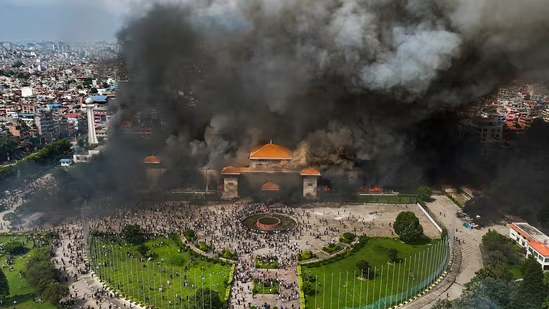
What began as demonstrations against social media controls has transformed into extensive violence claiming at least 19 lives and injuring over 100 people. The capital Kathmandu has seen government buildings stormed, parliament set ablaze, and politicians physically attacked by mobs.
Prison Breaks and Security Collapse
Local media reports indicate thousands of prisoners escaped from multiple facilities amid the chaos, further complicating security efforts. The scale of violence and institutional breakdown represents unprecedented challenges for Nepalese authorities.
Root Causes: Unemployment and Elite Resentment
With youth unemployment exceeding 20% and significant numbers working abroad as migrant laborers, underlying economic frustrations have fueled anger toward government officials and elite classes. The social media restrictions served as a catalyst for broader discontent.
Japanese Residents Express Concern
Japanese nationals residing in Nepal describe increasingly dangerous conditions. One expat noted: "This level of intensity is unprecedented. We're avoiding outings due to safety concerns, and access to shopping has become difficult." Many express anxiety about whether flights will operate normally for planned departures.
Government Warnings and International Response
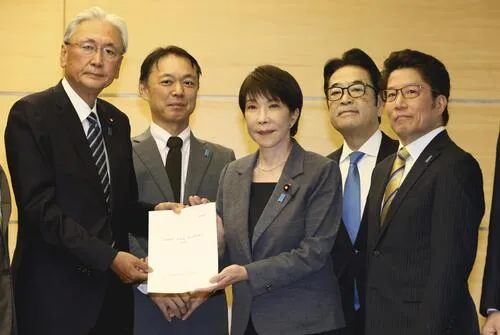
The Japanese government has advised citizens to avoid non-essential travel, stockpile water and food supplies, and maintain heightened security awareness. The situation remains fluid with no clear resolution despite the prime minister's resignation offer.
This developing situation highlights the volatile intersection of digital governance, economic inequality, and political stability in developing nations.