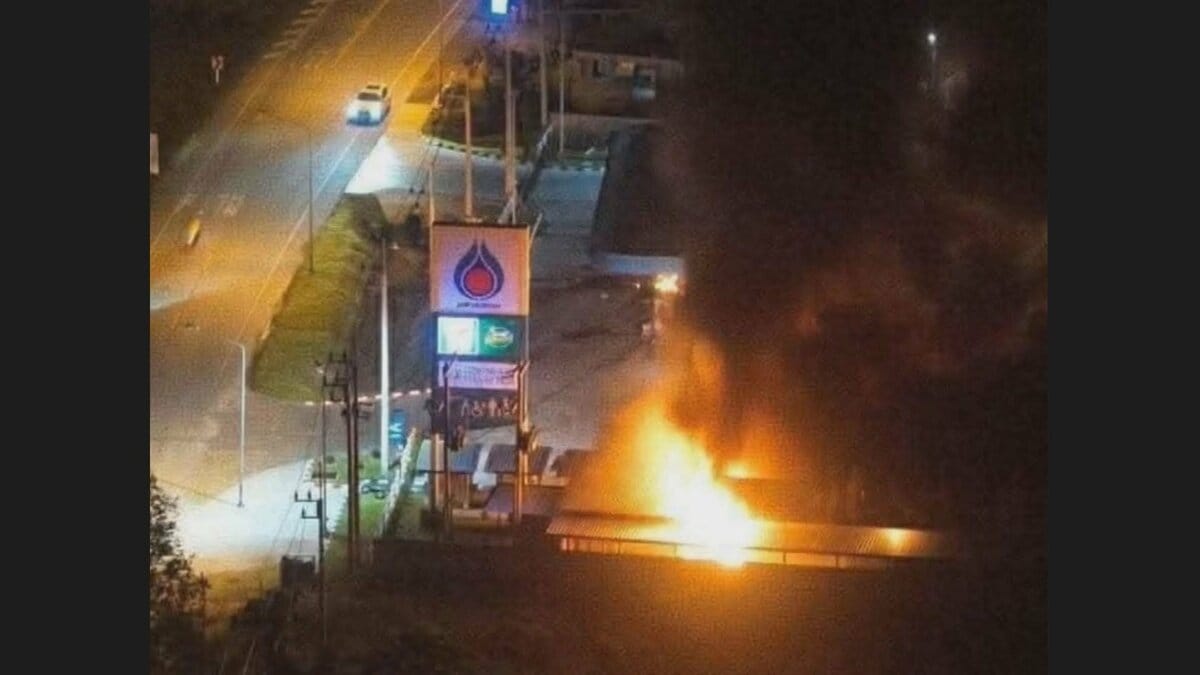
Eleven gas stations across three provinces in southern Thailand were struck by near-simultaneous explosions on the 11th, injuring four people including civilians and a police officer, according to local media and official statements. Authorities say the blasts bear the hallmarks of a coordinated attack by anti-government armed groups, and investigators are examining possible links to upcoming local administrative elections in the region. No group has claimed responsibility, and the full sequence of events remains under investigation.
The incident: multiple blasts, targeted infrastructure
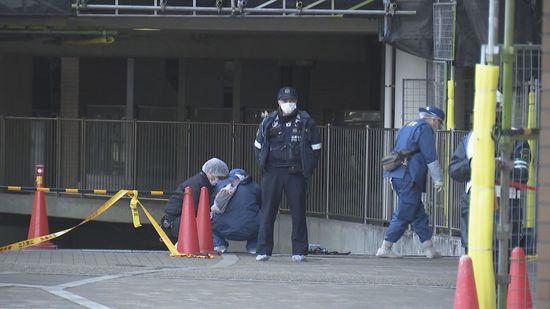
Local reports indicate the explosions unfolded in quick succession at 11 fuel stations, including sites in Narathiwat province, one of the core areas of Thailand’s conflict-affected Deep South. Initial accounts did not specify the time of day or the exact devices used, but the pattern—multiple small blasts aimed at the same category of civilian infrastructure—points to a coordinated operation designed to sow fear, disrupt daily life, and test the reach of local security forces. Photographs and preliminary descriptions from the scene suggest emergency crews and explosive ordnance disposal teams fanned out rapidly, cordoning off affected forecourts and collecting forensic evidence such as wiring, battery fragments, and timing mechanisms, items commonly used in improvised explosive devices (IEDs). Authorities have not disclosed damage estimates or whether fuel supplies were affected, and they cautioned that casualty figures could change as assessments continue.
Casualties and immediate response
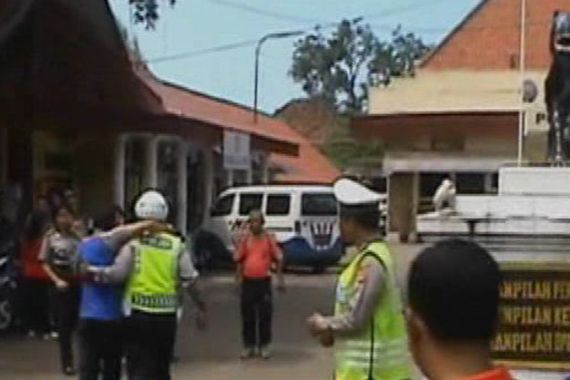
Officials confirmed that four people were injured—comprising both civilians and a police officer—though none of the injuries were initially reported as life-threatening. Ambulances, firefighters, and provincial police responded to the sites, while regional security coordination centers monitored for follow-on events, a routine precaution in the Deep South where attackers sometimes attempt secondary strikes to target responders. Gas station staff and customers were evacuated from affected areas, and investigators began collecting surveillance footage from forecourt cameras and nearby roads in a bid to map the attackers’ movements.
Investigative leads and suspected motive
Thai authorities said they are treating the incidents as “simultaneous, multi-site bomb attacks” carried out by anti-government militants. Officials also pointed to the timing, noting that local government elections have often served as flashpoints for politically motivated violence in the south. Investigators are examining whether the perpetrators aimed to intimidate candidates, deter voter turnout, or undercut confidence in the state’s ability to deliver security. While no group has yet acknowledged involvement, the operational signature—soft targets, dispersed locations, and coordinated detonation—tracks with prior insurgent tactics that aim for psychological impact over mass casualties, especially when attacks occur during lower-footfall hours.
Regional context: a restive Deep South
The blasts occurred in an area where a long-running, low-intensity insurgency has simmered for nearly two decades. The Deep South—centered on Narathiwat, Pattani, and Yala provinces, and parts of neighboring Songkhla—has witnessed sporadic violence since the early 2000s, rooted in historical grievances and identity tensions. Though overall incident numbers have ebbed and flowed with periodic ceasefires and talks, the conflict has claimed more than 7,000 lives since 2004, according to academic and rights-monitoring estimates. Militants have frequently targeted security personnel, public servants, and symbolic economic infrastructure, including power grids, ATMs, and retail outlets. Gas stations have been attacked in the past, reflecting both their ubiquity and their role as critical nodes in everyday commerce.
Election timing raises security concerns
Local administrative elections in Thailand’s south often draw intense scrutiny from both security agencies and communities. Insurgents have, at times, used the political calendar to send messages or pressure the state, calculating that relatively modest attacks on soft targets can generate maximum visibility and complicate logistics for polling and campaigning. Even when the direct link to electoral processes is unproven, the perception of vulnerability around ballots and governance functions can serve the militants’ objective of undermining trust in public institutions. Authorities, for their part, tend to surge manpower during these periods, erect more checkpoints, and step up intelligence-gathering to preempt plots. The latest blasts may now trigger an additional layer of election-season precautions across the region.
Pattern of attacks: coordination and constraint
Analysts note that multi-site operations in the Deep South—ranging from arson attacks at convenience stores to small IED blasts—are often calibrated to demonstrate reach without triggering the kind of mass-casualty response that could erode local support. Timers, simple triggers, and coordination via mobile devices have featured in past incidents. While the precise methods used in this week’s blasts remain unclear, the targeting of 11 gas stations suggests significant pre-planning, reconnaissance, and an understanding of security routines. In recent years, authorities have increasingly relied on a combination of human intelligence, community liaison programs, and technology, including expanded CCTV networks and forensic mapping, to track supply chains for explosive components and identify safe-house locations. The effectiveness of those measures will likely be tested as the investigation unfolds.
Official guidance and public safety
The Japanese Embassy in Thailand said it had received no reports of injuries to Japanese nationals, while advising citizens to exercise heightened caution, avoid affected areas, and monitor official advisories. Similar guidance is expected from other diplomatic missions, particularly for travelers heading to the Deep South, where most foreign governments already recommend avoiding nonessential travel due to the persistent risk of insurgent violence. Local authorities urged residents to report suspicious objects, refrain from approaching unattended bags or vehicles near fuel facilities, and follow instructions from police and emergency services.
Economic and community impact
While it is too early to gauge the broader economic fallout, repeated strikes on fuel stations can have outsized psychological and practical effects. Beyond the immediate injuries and property damage, such attacks may prompt temporary closures for inspections, disrupt logistics for small businesses reliant on steady fuel supplies, and add costs for operators forced to invest in extra security measures. Communities in the south, accustomed to cycles of tension and calm, often show a remarkable degree of resilience, but each wave of attacks risks compounding fatigue and skepticism about the efficacy of peace efforts.
What comes next
In the days ahead, investigators will seek to piece together the devices’ construction, potential supply networks, and any linkages across the 11 sites. Arrests—if and when they occur—often follow forensic breakthroughs such as fingerprint or DNA matches, or from tips that emerge once heightened patrols and community outreach programs are in place. A public claim of responsibility could clarify the perpetrators’ goals, though southern Thailand’s insurgent landscape is complex and factional, and some groups avoid overt claims to limit backlash. Officials will also weigh whether to adjust the security footprint around campaign events, ballot transport, and polling stations in light of the suspected electoral motive. For now, the priority is to stabilize the situation, reassure the public, and prevent copycat attacks.
Bottom line
The coordinated blasts at 11 gas stations across southern Thailand underscore both the persistence and adaptability of insurgent tactics in the Deep South. With four people injured and an investigation centering on potential links to local elections, the incident highlights the challenges facing authorities tasked with protecting soft targets while preserving community trust. As the probe continues, security forces will be judged on their ability to deliver swift answers and visible deterrence—without further inflaming the tensions that have defined the region for years.