New-generation F-16s reach Taiwan
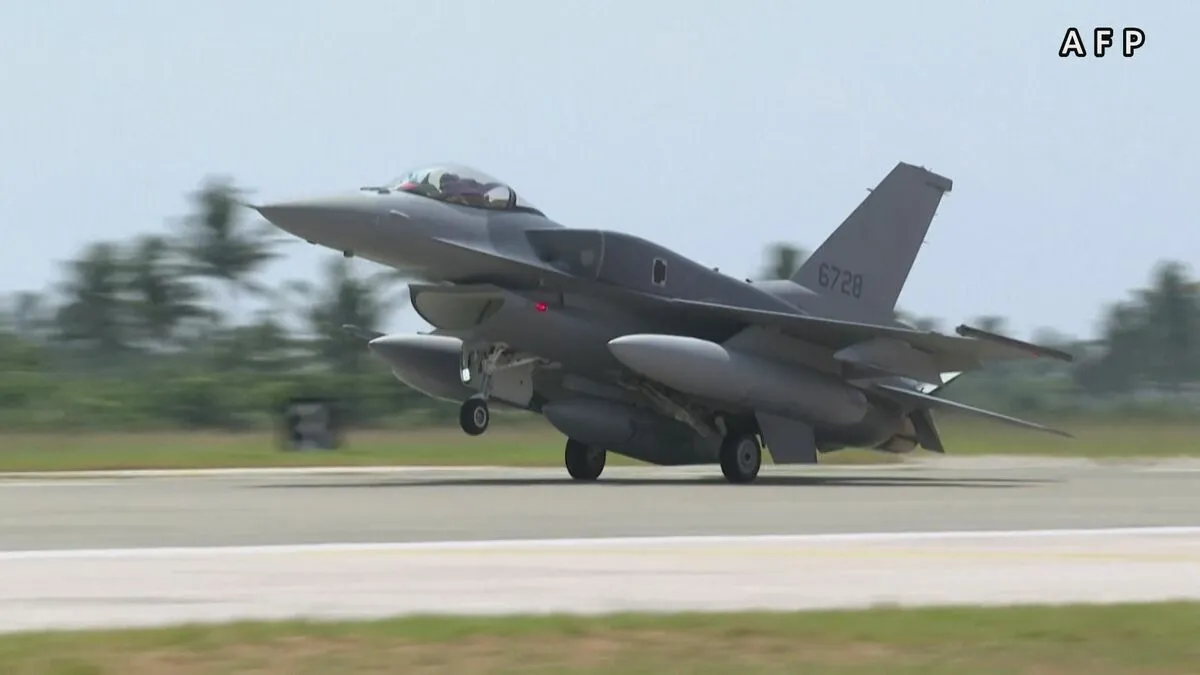
The first two F-16 Block 70 fighter jets sold by the United States to Taiwan arrived on the island on the 2nd, Taiwan’s Ministry of National Defense announced. The delivery marks an important milestone in Taipei’s long-term effort to modernize its air force and reinforce its ability to monitor and defend its airspace.
The United States approved the sale of 66 F-16 fighter aircraft to Taiwan in 2019. The latest delivery is part of that broader agreement, which is intended to replace older aircraft and improve the Taiwan air force’s operational capabilities. The arrival comes at a time when security developments in the Taiwan Strait continue to draw close attention across the Indo-Pacific, including in neighboring Japan.
Taiwan air force welcomes the aircraft
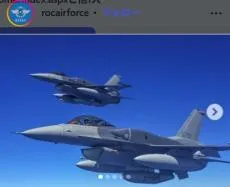
On the 4th, Taiwan’s Republic of China Air Force posted images of the newly arrived aircraft on its official Instagram account. Welcoming the jets with the phrase “Combat power returns to Taiwan,” the air force said the F-16 Block 70s had crossed thousands of miles of ocean before returning proudly to the island.
The post said the aircraft would soon join the Republic of China Air Force and bring additional combat capability to Taiwan’s airspace defense. It described the arrival as more than the delivery of new fighter jets, calling it a symbol of Taiwan’s “unwavering determination” to protect its homeland, freedom and peace.
“Welcome home, F-16 Block 70,” the message concluded.
Advanced radar and longer service life
The F-16 Block 70 is among the newest versions of the widely used F-16 Fighting Falcon. It incorporates an advanced active electronically scanned array radar, commonly known as AESA, which can improve detection and tracking performance compared with older radar systems. The aircraft also features upgraded mission computers, avionics and cockpit systems designed to support more efficient information sharing and decision-making.
Another important improvement is an extended structural service life. This allows the aircraft to remain operational for longer while reducing the pressure created by aging airframes. For Taiwan, which operates a mixed fleet of newer and older fighter aircraft, the modernization program is intended to improve reliability as well as combat readiness.
Why the delivery matters beyond Taiwan
Taiwan’s air-defense posture is closely watched by Japan because of the island’s location near Japan’s southwestern islands and major sea lanes connecting East Asia. Japan has been strengthening its own surveillance, air-defense and logistical capabilities in the southwest, while repeatedly emphasizing the importance of peace and stability across the Taiwan Strait.
The arrival of the F-16s does not by itself change the regional balance, and the aircraft will require training, maintenance and integration with existing systems before reaching full operational effectiveness. However, the delivery represents a tangible investment in Taiwan’s defensive capacity and demonstrates continued U.S. security support for the island.
The report was based on information from Reuters and the Yorozu News editorial desk.