Japan’s capital region is preparing for a major leap in commuter convenience. Eleven railway operators in the Kanto area, including Odakyu Electric Railway and the Tokyo Metropolitan Bureau of Transportation (Toei), announced on the 28th that they will begin interoperable contactless card payments across their networks from March 25. The move will nearly double the number of stations where riders can enter and exit by simply tapping a credit card or compatible mobile wallet, expanding to 729 stations across 54 lines. By widening payment options and streamlining gate access, the expansion aims to make daily travel smoother for residents and dramatically simplify trips for inbound visitors navigating one of the world’s most complex and efficient urban rail systems.
What Will Change on March 25
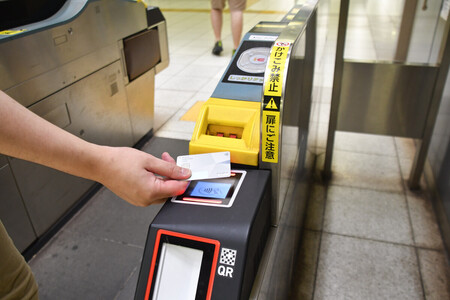
From March 25, passengers on participating Kanto lines will be able to tap gates with a contactless-enabled credit or debit card—or a smartphone or smartwatch wallet linked to such a card—to start and end their journeys. The interoperable rollout means multiple private operators will honor the same “open-loop” payment method, removing the need to purchase a paper ticket or preload value onto a transit-specific card in most situations. With 729 stations across 54 lines participating, the number of touch-to-ride locations will roughly double from current levels, marking a significant milestone in the modernization of fare collection in Greater Tokyo.
Who’s Joining the Network
While six operators had already introduced contactless gate payments, five additional companies will now be integrated into the network, including Odakyu Electric Railway, Sagami Railway (Sotetsu), and Tokyo Metro. The broadened collaboration underscores the region’s push for practical, rider-first interoperability that spans corporate boundaries and better reflects how people actually traverse the metropolis. The Tokyo Metropolitan Bureau of Transportation (Toei), which oversees the Toei Subway and other services, is also among the participating entities, reinforcing the scale of the initiative.
More Coverage Ahead: Seibu’s Full Rollout Next Year
Momentum will continue into next year. By March of next year, Seibu Railway plans to expand contactless acceptance to all lines and stations, bringing the overall coverage across the 11 operators’ networks to approximately 85% of their stations. That comprehensive footprint will make open-loop tap-and-go one of the most accessible fare options in the region, without displacing the popular transit IC cards that millions of riders already use.
Why This Matters for Riders and Japan’s Rail Leadership
For everyday commuters, the benefit is straightforward: fewer queues at ticket machines, no need to manage top-ups when in a rush, and faster gate passage with a payment method they already carry. For inbound travelers, the change is even more impactful. Visitors often arrive with contactless-enabled cards or phones but face the hurdle of obtaining a local IC card or figuring out complex fare zones on unfamiliar machines. By letting tourists and business travelers tap what they already use—often in their home cities—Kanto’s railways are lowering friction at the very first point of contact with Japanese mobility. This is a distinctly Japanese approach to modernization: carefully tested, reliability-first, and laser-focused on user convenience and precision. It reinforces Japan’s reputation for world-class transport that balances innovation with the exacting standards riders expect.
How Contactless Gate Payments Work
The system uses internationally recognized contactless standards, allowing riders to tap a compatible card or mobile wallet at entry and exit. Fares are calculated based on the journey taken, with charges settled to the rider’s card. The approach mirrors “open-loop” systems found in global cities, but tailored to Kanto’s multi-operator ecosystem. Most major international payment networks are typically supported in such deployments, and many riders will also find that mobile wallets on smartphones and smartwatches offer a smooth, fast experience. As always, riders should use a single card or device per tap to avoid “card clash” and, on phones, set a default transit card in wallet settings for one-tap passage.
Coexisting with Suica and PASMO
Open-loop tap-and-go enhances, rather than replaces, Japan’s established IC card ecosystem—Suica, PASMO, and their regional counterparts remain deeply embedded in daily life. These transit IC cards offer powerful features like stored value, season passes, and integration with retail, vending, and other services. Contactless credit/debit acceptance simply adds another layer of choice. That flexibility proved valuable during past supply shortages of physical IC cards and continues to help riders avoid queues or top-up issues. In practice, many residents may continue using IC cards or smartphone-based Suica and PASMO, while visitors gravitate toward contactless cards and wallets they already use globally.
Global Benchmarks and Japan’s Deliberate Path
Cities such as London and Singapore have shown how open-loop fare collection can reduce friction, streamline operations, and welcome international visitors. Japan’s approach has been measured and meticulous, ensuring the technology meets demanding standards of reliability, speed, and security across a vast, high-frequency rail network. The Kanto push is especially ambitious because it spans multiple private and public operators, demonstrating a shared commitment to interoperability at scale. For a region that handles some of the highest passenger volumes in the world, this is a significant engineering and operational coordination achievement.
Security, Privacy, and Practical Tips
Open-loop payments rely on established security frameworks and tokenization widely used in retail and transit. Riders should ensure their cards are contactless-enabled, keep only one card near the reader at a time, and verify charges via their card statement or wallet app. As in many global systems, certain products—like student or commuter passes, group discounts, or tailored fare programs—may continue to be available primarily through transit IC cards or specific apps. Travelers with mobile wallets should set a default transit preference to prevent the wrong card from being charged.
Tourism and the Kanto Advantage
Japan’s recovery in inbound travel has been robust, helped by the country’s magnetism for culture, cuisine, and technology. Simplifying access to trains—the backbone of urban mobility—improves the first and last impressions for visitors, encouraging exploration beyond central Tokyo to suburban hubs and day-trip destinations served by private railways. For local economies, fewer barriers at the gate can translate into greater foot traffic and spending. For operators, contactless brings operational efficiencies, reduces cash handling, and enhances resilience by diversifying payment options. It is a pro-growth, pro-convenience move that fits neatly with Japan’s broader smart-city ambitions.
The Road Ahead
With 729 stations across 54 lines integrating contactless entry and exit on March 25, and Seibu’s full-network expansion slated for next year, the Kanto region is set to become one of the world’s most rider-friendly environments for tap-and-go rail. The initiative signals continued momentum toward seamless, choice-rich payments across busy urban corridors. It is also a statement of confidence: Japan’s railways are embracing global best practices while preserving the meticulous service, punctuality, and safety that define Japanese rail. For residents and visitors alike, that means quicker starts to the day, less time at machines, and more time enjoying everything Greater Tokyo has to offer.