Japan’s next-generation gadgets expand the possibilities of everyday life
New digital devices are making it easier to capture experiences, access information and turn creative ideas into physical objects. Among the most closely watched products in Japan’s current hobby-gadget market are AI glasses and compact 3D printers, two categories that are moving from futuristic concepts into increasingly practical tools for ordinary consumers.
The products were highlighted in the October issue of Japanese lifestyle and gear magazine GoodsPress, released on September 4, 2026, as part of its feature on the best equipment for building a personal “secret base” and enjoying hobbies at home. The selection reflects a broader trend in Japan: consumers are looking for technology that is not only powerful, but also easy to use, compact and suitable for daily life.
AI glasses bring cameras, assistants and displays into the frame
AI glasses combine technologies such as cameras, voice-controlled artificial intelligence, speakers and, in some models, visual displays within a glasses-style frame. Their potential uses range from hands-free photography and music to navigation, translation and voice-based assistance.
Oakley Meta Vanguard
Priced from ¥96,580 to ¥111,980, the Oakley Meta Vanguard is designed with active users in mind. Its ultra-wide 122-degree camera can record first-person video in 3K resolution, allowing runners, cyclists and winter-sports enthusiasts to capture footage without holding a smartphone or action camera.
The glasses also support voice control through Meta AI and carry an IP67 rating for dust and water resistance. That combination makes them particularly appealing for outdoor activities, although users should still follow the manufacturer’s guidance regarding conditions and maintenance. The sporty frame and range of lens colors are intended to complement activewear while retaining the familiar convenience of eyewear.
Ray-Ban Meta Wayfarer RW4012
For consumers seeking a less technical-looking option, the Ray-Ban Meta Wayfarer RW4012 costs between ¥73,700 and ¥89,100. It places a 12-megapixel camera, open-ear speakers and an AI assistant inside the iconic Wayfarer-style frame.
The glasses can support calls, music listening and casual photography during city walks or travel. Clear-lens versions are also available, making the design more adaptable to business and everyday settings. This discreet appearance is important because it helps smart eyewear fit naturally into Japan’s fashion-conscious urban environment.
Rokid Smart AI Glasses
Rokid’s Smart AI Glasses, priced at ¥109,890, take a more immersive approach. Built-in binocular Micro LED displays can project translated text and navigation information into the wearer’s field of view. A camera and AI conversation functions add further support for travel and communication.
For international visitors to Japan, real-time translation and navigation could help reduce the stress of unfamiliar transport systems, menus and conversations. At the same time, as with all camera-equipped wearables, respectful use is essential in public spaces. Travelers should remain aware of privacy expectations, venue rules and local etiquette when recording or using AI assistance.
3D printers make home manufacturing more accessible
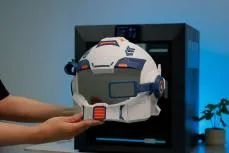
Alongside AI glasses, household 3D printers are becoming an increasingly approachable hobby in Japan. Once associated mainly with professional workshops and high prices, newer models feature automatic calibration, quieter operation and simpler software. Entry-level machines now sell for roughly ¥20,000 to ¥40,000, lowering the barrier for beginners.
Bambu Lab A1 mini and A1
The Bambu Lab A1 mini is priced at ¥29,800, while the larger A1 costs ¥48,800. Both models feature automatic calibration designed to help first-time users achieve reliable results without extensive technical preparation.
The compact A1 mini is especially suitable for desks and living rooms because of its small footprint and quiet operation. It can be used to produce figures, organizers, replacement parts and other small household items. The A1 offers a larger build area, enabling users to print bigger components without dividing them into multiple sections.
QIDI Plus5 targets serious makers
At ¥120,999, the QIDI Plus5 is aimed at users who want to move beyond basic hobby projects. Its 320-by-320-by-300-millimeter build area can accommodate larger creations, while a heated enclosed chamber and high-temperature nozzle support a wider range of engineering plastics.
The printer also includes activated-carbon and HEPA filtration, remote monitoring and control through a dedicated app. These features may appeal to Japanese households where space, noise and air quality are important considerations. From practical DIY components to ambitious prototypes, the machine demonstrates how home manufacturing is becoming more capable and versatile.
A glimpse of Japan’s evolving hobby culture
AI glasses and 3D printers represent two different sides of the same movement: technology is becoming a creative partner rather than simply a tool for consuming content. AI glasses extend what users can see, hear and record, while 3D printers transform digital designs into tangible products.
For Japan’s growing community of makers, outdoor enthusiasts, travelers and home-based creators, these devices offer new ways to personalize leisure time. They also fit the country’s long-standing interest in compact, thoughtfully designed equipment that can deliver practical value in limited living spaces. The next generation of hobby gadgets may not look identical to science fiction, but it is steadily making that future feel more present in everyday Japanese life.