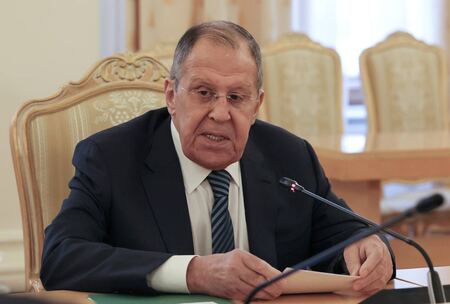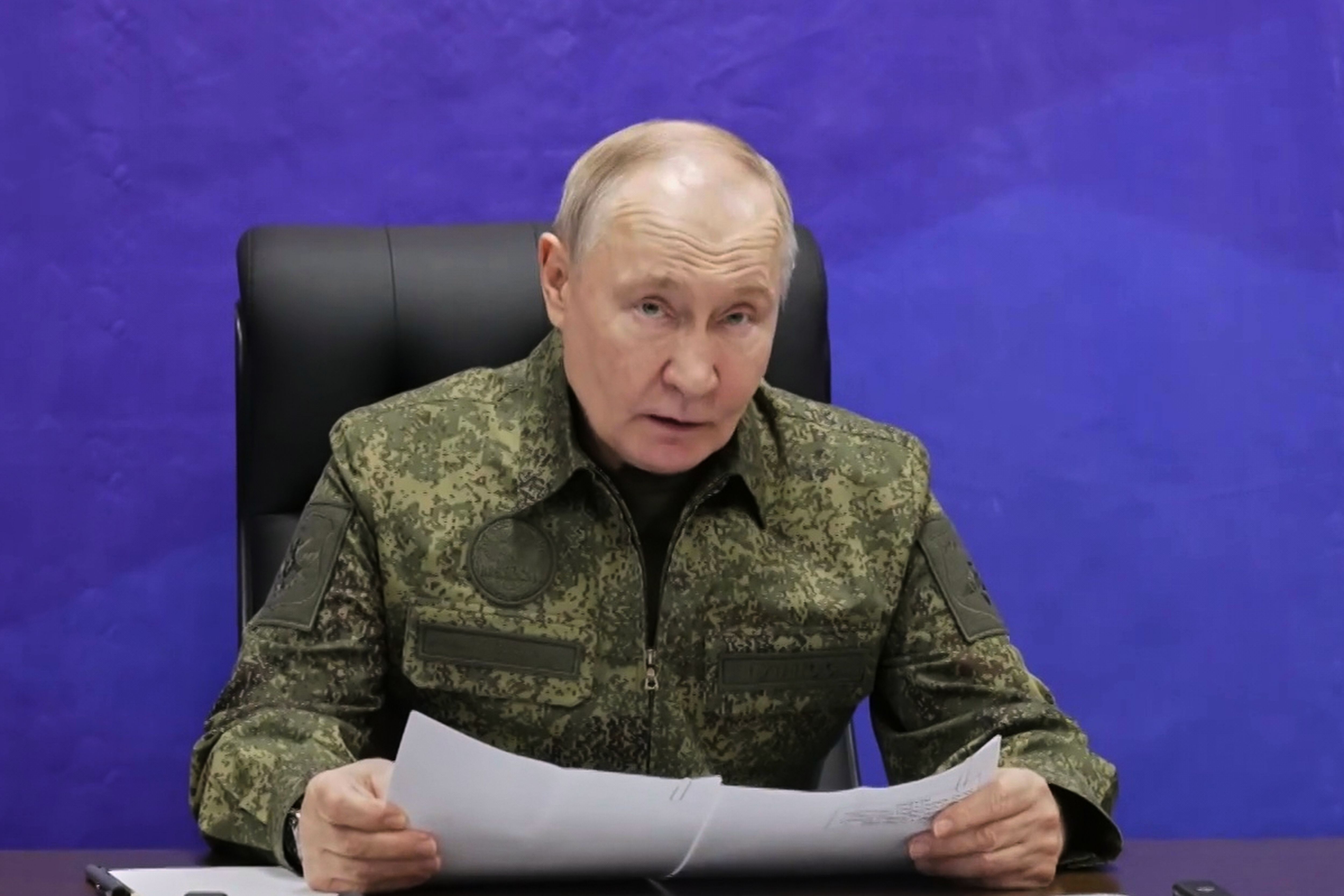
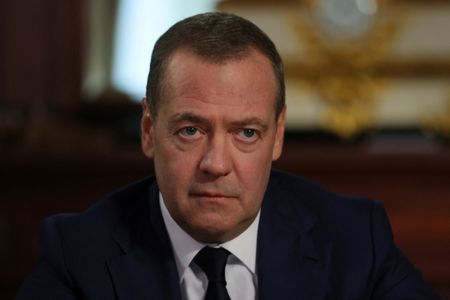
Russia’s former president Dmitry Medvedev said Moscow does not want a global conflict even as the world enters a dangerously unstable phase, and he praised U.S. President Donald Trump while welcoming the resumption of contacts with Washington. In an interview published on the 2nd and conducted at his home outside Moscow by Reuters and Russia’s TASS news agency, the deputy chairman of Russia’s Security Council argued that Western governments have repeatedly ignored Russia’s interests, but insisted the Kremlin remains rational and does not seek a wider war.
‘Very dangerous’ moment, but war not Russia’s goal
Medvedev, who served as Russia’s president from 2008 to 2012 and later as prime minister, described today’s geopolitical climate as fraught with risk. “The situation is very dangerous,” he said, adding that “the pain threshold seems to be falling.” He continued: “We have no interest in a global conflict. We are not out of our minds.” Yet in a characteristic dual message, he cautioned that “it is impossible to rule out the possibility of a global conflict” given the number of crises and the erosion of guardrails in relations between major powers.
The setting of the interview hinted at this hard-edged posture. Hanging in the room, reporters noted, was a cartoon depicting Medvedev pointing a submachine gun at European leaders—an image of defiance and dark humor that mirrors the former president’s increasingly confrontational rhetoric since the start of Russia’s full-scale invasion of Ukraine in 2022. While Medvedev once embodied a more technocratic, modernizing face of the Kremlin, his recent public statements often emphasize escalation dominance and strategic resolve, even as he now underscores that Moscow does not seek an outright world war.
Signals to Washington and praise for Trump
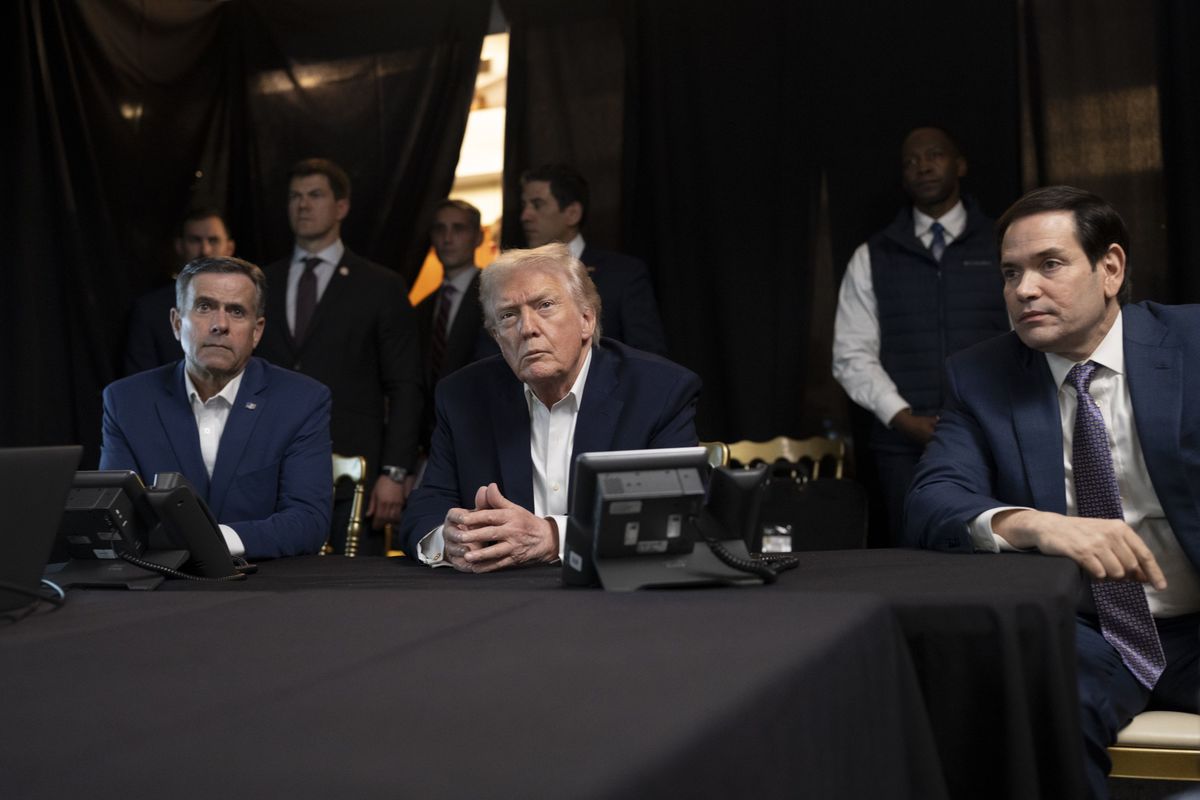
Medvedev said he viewed President Trump positively and called reports of renewed contacts with the U.S. government “reassuring,” suggesting a tentative opening for risk-reduction dialogue despite profound disagreements. He framed these contacts as pragmatic rather than conciliatory, arguing that ignoring Russia’s red lines had helped drive the current crisis. The warm reference to Trump serves a dual purpose: it flatters a U.S. leader who has historically cast himself as open to transactional dealmaking with Moscow, and it telegraphs that channels for high-stakes communication remain valuable, particularly when nuclear powers face mounting flashpoints.
For Washington and Moscow alike, even limited engagement can function as crisis insurance—discreet backchannels or working-level exchanges to prevent miscalculation. Medvedev’s comments appear designed to portray Russia as simultaneously firm and responsible, a posture that resonates domestically while probing whether the White House is willing to carve out space for talks on strategic stability, prisoner exchanges, or deconfliction.
Venezuela and Greenland: too many flashpoints
Turning to the flurry of global incidents in January, Medvedev said there were “too many” flare-ups, citing Venezuela and Greenland as examples. He argued that had Trump been “stolen” by foreign forces, the United States would have treated it as an act of war—an analogy seemingly aimed at U.S. policy regarding Venezuelan President Nicolás Maduro and a broader critique of what Russia sees as Western interference in sovereign affairs. The comment underscores a long-standing Kremlin narrative: that Western powers apply one set of rules to themselves and another to adversaries.
On Greenland, a strategically pivotal Arctic territory, Medvedev dismissed Western warnings about Russian and Chinese threats as fabricated “horror stories” used to justify pre-emptive measures. That rebuttal reflects a wider contest over the Arctic’s future, where melting sea ice is opening new shipping routes and intensifying competition over energy, minerals, and military access. Western capitals, for their part, view Russia’s rapid militarization of the Arctic and China’s “near-Arctic” ambitions with increasing unease. The result is a narrative clash: Moscow claims encirclement; NATO allies stress deterrence and the rule of law in a rapidly transforming region.
A familiar Kremlin formula: deter and reassure
Medvedev’s dual-track argument—asserting Russia does not want a wider war while refusing to rule it out—fits a pattern Russia has honed since the Cold War’s late stages: signal resolve to deter adversaries, but leave open the door to dialogue that could reduce risks on Russia’s terms. The insistence that the West has ignored Russia’s interests underpins Moscow’s justification for its actions in Ukraine and beyond, including posture shifts in the Arctic and new defense-industrial mobilization at home. For European governments, such messaging reinforces anxieties about escalation while underscoring the need for unity on sanctions and defense. For Washington, it invites difficult choices: whether to engage in tightly scoped talks that might prevent accidents or to keep pressure high and communications sparse, in the belief that Moscow responds only to strength.
Implications for Japan and the Indo-Pacific
Tokyo has a direct stake in any easing of U.S.–Russia tensions and in broader stability across the Euro-Atlantic and Arctic. As a G7 member aligned with sanctions on Russia, Japan has condemned the invasion of Ukraine while steadily enhancing its own deterrence in the Indo-Pacific—boosting defense spending, deepening cooperation with the United States and like-minded partners, and advancing capabilities aimed at preventing aggression. Japan also faces its own complex relationship with Russia, including the unresolved Northern Territories issue and proximity to Russian forces in the Far East and the Sea of Japan.
Medvedev’s comments about Greenland and the Arctic resonate in Japan’s strategic calculus. The opening of Arctic sea lanes could reshape global trade patterns; however, that promise is inseparable from military competition and questions of governance. Japan supports a rules-based order and transparency in the Arctic, favoring scientific collaboration and sustainable development over unilateral militarization. Any credible movement toward risk-reduction between Washington and Moscow—however modest—would help stabilize an interconnected security environment, freeing diplomatic bandwidth for Indo-Pacific priorities where Japan is intensifying defense ties with Australia, India, and Europe, and cooperating more closely with NATO on resilience and technology.
At the same time, Tokyo will be cautious about any grand bargain that undercuts Ukraine’s sovereignty or weakens the international norm against wars of aggression. For Japan, credible deterrence and principled diplomacy go hand in hand. Stability in Europe and the Arctic is not a distraction from Indo-Pacific security; it is a supporting pillar. In that context, Medvedev’s assurance that Russia does not seek a world war is welcome, but the refusal to exclude the possibility underscores why Japan continues to invest in readiness, alliances, and economic security.
What to watch
Key signals in the weeks ahead include whether U.S.–Russia contacts expand beyond rhetoric into concrete risk-reduction steps, such as revamped crisis hotlines, limited arms-control talks, or humanitarian exchanges. Watch, too, whether Russian domestic messaging softens or hardens around the same themes, and how European governments calibrate their responses amid ongoing support for Ukraine. Developments in Venezuela and the Arctic—particularly Greenland’s role in NATO’s evolving posture—will remain barometers of how far great-power rivalry is seeping into every theater. For Japan and its partners, the priority remains clear: deter escalation, defend international law, and support pathways to stability that do not compromise core principles. Medvedev’s interview suggests the door to dialogue is not shut; the challenge is ensuring that any opening leads away from crisis and toward a more predictable global order.