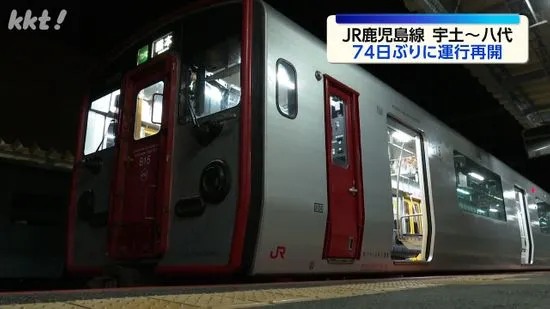
A vital railway connection returns
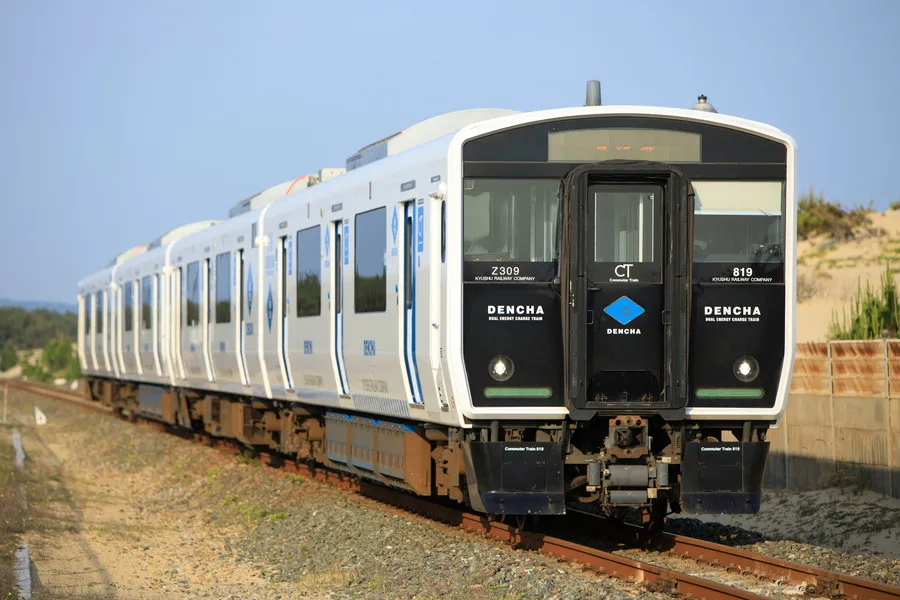
JR Kyushu restored full service on the JR Kagoshima Line between Uto and Yatsushiro on the morning of June 10, marking an important step in Kumamoto’s recovery after the 2016 Kumamoto Earthquake. The section had been closed for 74 days after powerful earthquakes damaged railway infrastructure across the region.
At around 5 a.m. at JR Yatsushiro Station, a representative of JR Kyushu announced the restart, saying that train operations between Uto and Yatsushiro on the Kagoshima Main Line would resume for the first time since the disaster. The reopening was welcomed by passengers and railway staff, who described the return of train services as a meaningful sign of progress.
Damage caused major disruption
The earthquake caused serious damage to tracks, railway poles and other facilities along the route. With trains unable to operate, many residents who normally relied on the railway had to use roads instead. This created longer and more difficult journeys, particularly during periods of heavy traffic.
One passenger said that a trip which usually took about one hour by train had required approximately two hours by car because of congestion. The passenger added that the reopening made them appreciate how valuable it was to have a reliable one-hour rail journey available again.
Another passenger expressed happiness at seeing trains moving once more. Such reactions reflected the wider importance of the railway, which serves not only daily commuters but also students, families, tourists and businesses in southern Kumamoto.
More transport links set to reopen
The restoration of the Uto–Yatsushiro section also improved connections between communities along the western coast of Kyushu. For international visitors, the JR Kagoshima Line is part of the extensive rail network that links cities and regional destinations across Japan. Although the line’s name includes “Kagoshima,” this section serves important locations in Kumamoto Prefecture, including Uto and Yatsushiro.
At the time of the announcement, the Yatsushiro–Higo-Tanoura section of the Hisatsu Orange Railway remained suspended. That independently operated coastal railway was scheduled to resume service on October 13, providing another important improvement for residents and visitors in the area.
A symbol of recovery
Railway restoration in Japan often carries significance beyond transportation. Trains connect communities, support local economies and provide a visible sign that damaged infrastructure is being rebuilt. In Kumamoto, the return of the Kagoshima Line offered practical relief to passengers while also bringing reassurance after a difficult period.
The reopening demonstrated the coordinated efforts of railway workers, engineers and local authorities to restore safe and dependable service. For people living in the affected communities, the sound and sight of trains running again represented a return to everyday life—and another step forward in Kumamoto’s recovery.