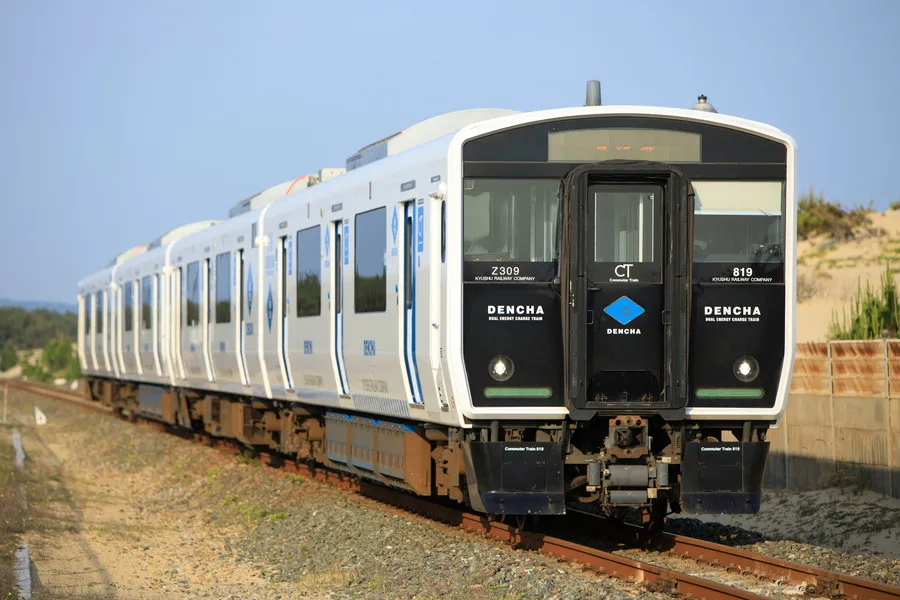
JR Kyushu to expand contactless rail access
JR Kyushu will significantly expand its contactless “credit card boarding” service, making it possible to use a credit card or smartphone at a total of 92 stations across its network in Fukuoka Prefecture. The expansion will begin with the first trains on September 18, 2026.
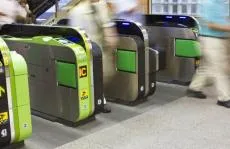
The railway operator announced the expansion on September 8, describing the move as part of its effort to make travel across the Fukuoka metropolitan area smoother and more convenient. The service allows passengers to use contactless payment by tapping a compatible credit card or mobile device on a dedicated reader at participating stations.
Three major lines added to the service area
The newly included sections cover three important routes in northern Kyushu. On the Fukuhoku-Yutaka Line, the service will be available between Orio and Hakata, covering 27 stations. The entire Kashii Line, between Saitozaki and Umi, will also be included, adding 16 stations. In addition, six stations on the Wakamatsu Line, between Wakamatsu and Orio, will support the system.
These additions will join sections that have already offered the service since its full-scale introduction on April 1, 2026. Existing coverage includes part of the Kagoshima Main Line between Mojiko and Kurume, as well as Uminonakamichi Station on the Kashii Line. With the latest expansion, contactless boarding will be available at 92 stations in total.
Seven card brands supported
Passengers can use seven credit card brands, including Visa and JCB. Compatible physical cards and cards stored on smartphones can be tapped on the designated equipment, reducing the need to purchase a paper ticket or use a separate transport IC card where the service is available.
For travelers from overseas, the system may offer a particularly convenient option. Many international visitors are already accustomed to using contactless bank cards and mobile wallets in their home countries. Being able to use familiar payment methods can make navigating Japanese railways less complicated, especially for short trips, spontaneous journeys, or visitors who have not yet obtained a local transit card.
Why the expansion matters for visitors and residents
Fukuoka is one of Japan’s most important regional gateways, combining a major international airport, a busy urban center, historic districts, coastal attractions, and easy access to destinations across northern Kyushu. The expanded routes connect Hakata and surrounding communities with areas such as Wakamatsu, Umi, Saitozaki, and Orio. This gives both residents and tourists another practical way to move around the wider metropolitan area.
JR Kyushu said the expansion is intended to support smoother transportation in the Fukuoka urban region and improve convenience for all passengers, including international visitors to Japan. The service is available only at participating stations and on eligible routes, so passengers should check the latest JR Kyushu information before traveling. They should also confirm that their card or smartphone payment method is supported and follow the instructions displayed at the station readers.
The move reflects a broader trend in Japan’s transport sector, where railway operators are introducing more contactless payment options alongside traditional tickets and rechargeable transit cards. For a country known for efficient rail travel, wider acceptance of overseas-friendly payment methods could make local journeys even more accessible while maintaining the convenience and reliability associated with Japan’s railway network.