Trump links refinery strikes to fuel prices
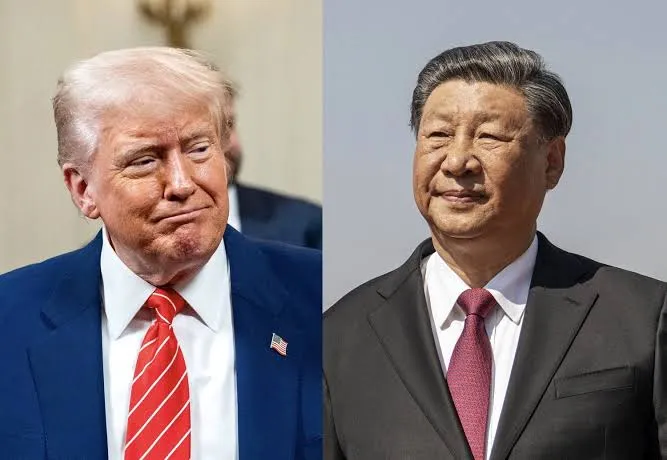
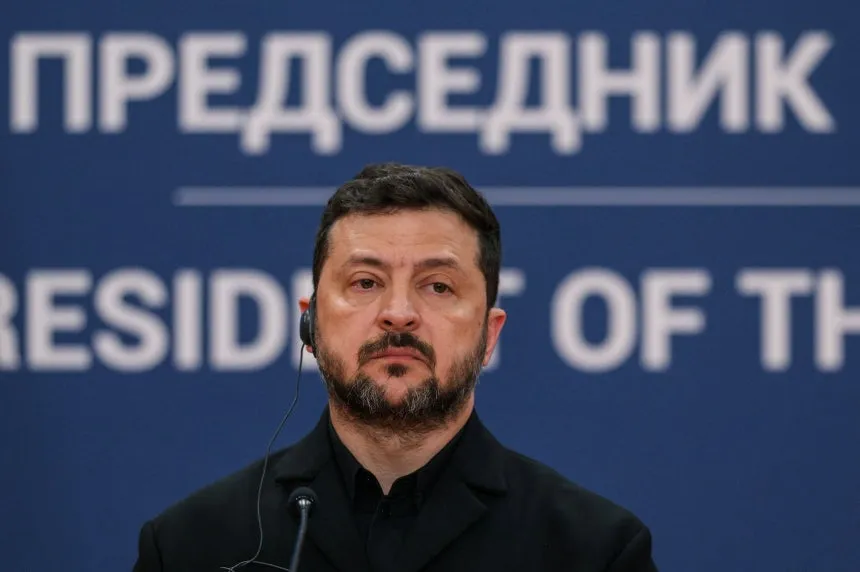
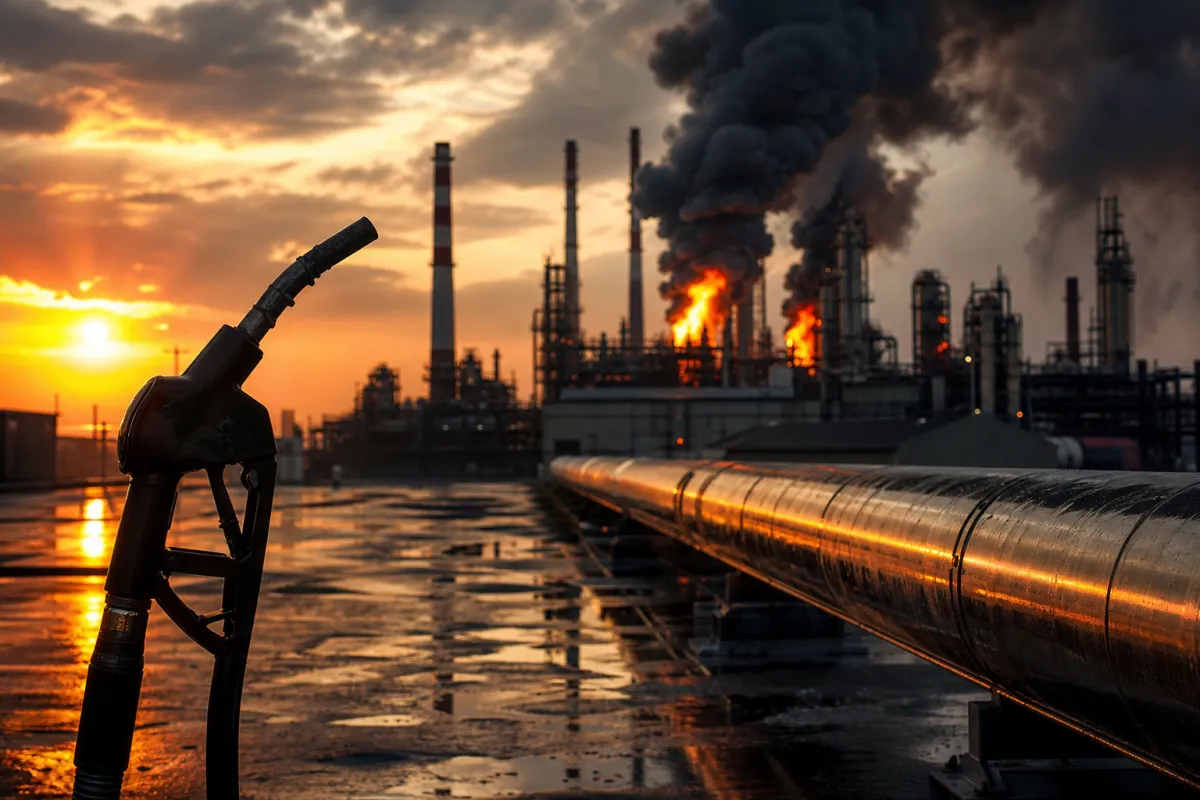
U.S. President Donald Trump has urged Ukraine to stop attacking Russian oil refineries, arguing that the strikes are contributing to higher fuel prices and creating difficulties for American farmers and ranchers. He also sharply criticized Ukrainian President Volodymyr Zelenskyy, saying Ukraine should consider choosing a new leader who would be more willing to negotiate a peace agreement with Russia.
Speaking to reporters at the White House on the 10th, Trump said Zelenskyy had several opportunities to end the war but had chosen not to do so. “I think it’s time for Ukraine to get a new president,” Trump said, adding that Kyiv should welcome a leader capable of making a deal.
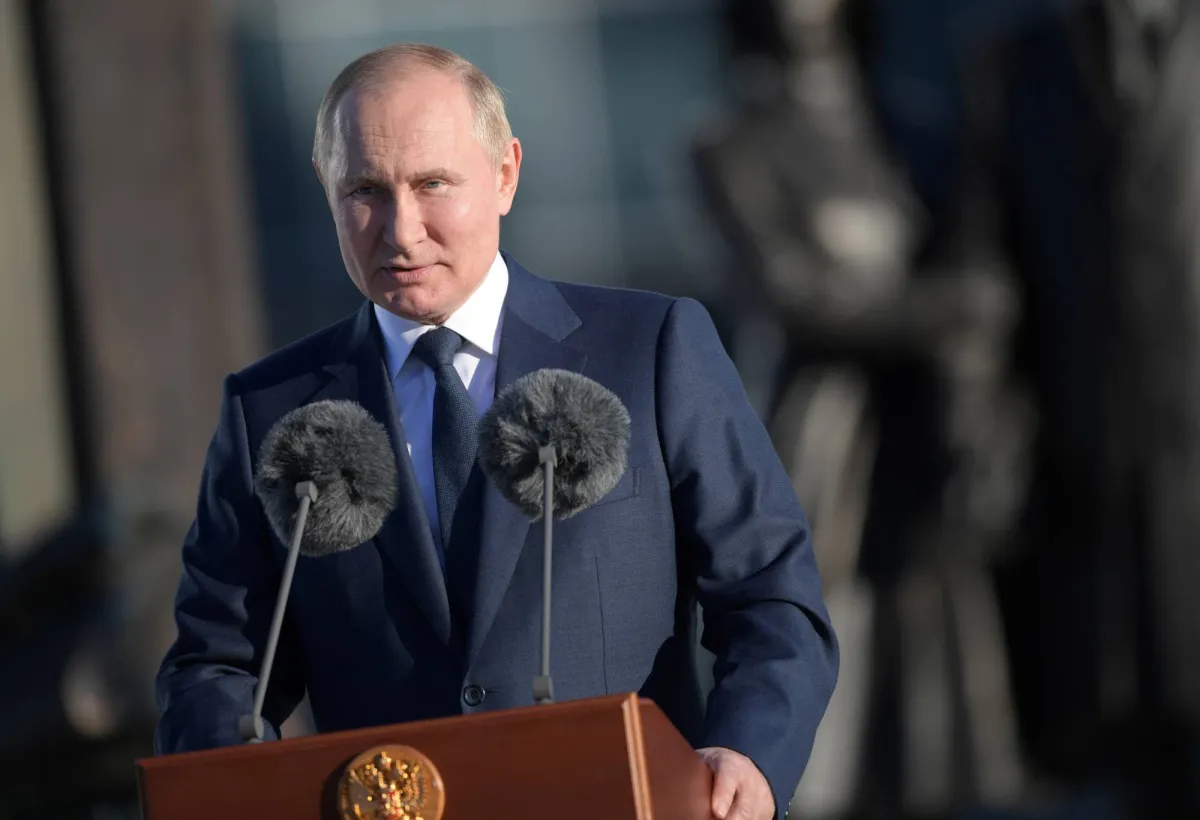
Trump’s comments came after Russian President Vladimir Putin agreed during a telephone conversation with Trump to supply Russian diesel fuel to the United States and other markets. Trump described Ukrainian attacks on refineries as a source of disruption for the global energy market and warned that continued strikes could put additional pressure on fuel costs.
U.S. reportedly warns Kyiv over intelligence support
According to the U.S. news website Axios, Trump’s special envoy for peace negotiations, Steve Witkoff, and Trump’s son-in-law Jared Kushner met with a Ukrainian delegation in Florida on the 9th. Ukrainian officials reportedly said the U.S. side warned that Washington could stop sharing information about potential targets and other intelligence if Ukraine continued attacking Russian refineries.
The reported warning highlights the increasingly direct pressure being placed on Kyiv as Washington seeks progress toward negotiations. Ukraine has argued that strikes against Russian energy infrastructure can weaken Moscow’s ability to finance and sustain its military operations. Russia, meanwhile, has repeatedly condemned such attacks and accused Ukraine of threatening energy security.
Questions over the impact of Russian diesel supplies
The Russian government announced on the 10th that it had partially lifted restrictions on diesel exports. Officials said up to 500,000 tonnes of diesel could become available to the global market under the new arrangement. The move followed Putin’s agreement to supply diesel to the United States and other countries.
Energy-market specialists, however, cautioned that the proposed volume may not be large enough to significantly ease global supply shortages. Analysts have also questioned whether Russia currently has sufficient refining capacity to maintain reliable exports while meeting domestic demand and supporting its war effort. The actual timing, destination and commercial conditions of any deliveries remain important unanswered questions.
Why the issue matters to Japan
The developments are also relevant to Japan, one of the world’s major energy-importing economies. Japan relies heavily on overseas supplies of crude oil and refined petroleum products, making international fuel prices sensitive to geopolitical tensions, shipping disruptions and decisions by major producers.
Higher diesel prices can affect Japanese logistics companies, agricultural operators, fisheries and manufacturers. Rising transport costs may eventually feed into prices for food and consumer goods, adding to pressure on households. Conversely, a sustained increase in global supply could help moderate fuel costs, although analysts stress that one proposed supply arrangement is unlikely to transform the market on its own.
Trump is expected to face strong political pressure over fuel prices ahead of the U.S. midterm elections in November. His latest remarks therefore combine energy concerns with a broader diplomatic effort to push Ukraine and Russia toward negotiations. Russian state media also reported that Witkoff and Kushner could visit Moscow within two weeks, although no confirmed schedule was provided.
A fragile link between peace talks and energy security
The episode shows how military strategy, diplomacy and energy markets are becoming increasingly interconnected. For Ukraine, stopping attacks on Russian refineries could limit one method of putting pressure on Moscow. For the United States and other importing countries, the priority is to prevent fuel prices from rising further. For Japan, the situation reinforces the importance of stable energy partnerships, diversified supply routes and long-term investment in cleaner domestic alternatives.
Whether the reported pressure produces meaningful peace talks remains uncertain. Any agreement would need to address Ukraine’s security concerns, Russia’s demands and the wider stability of global energy markets.