Japan’s affordable sushi finds a growing audience
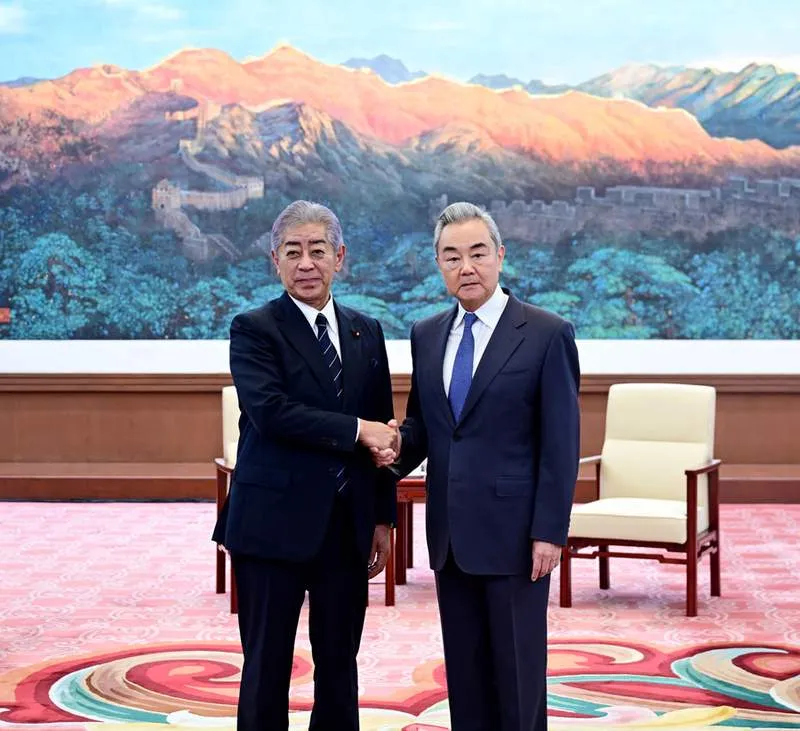
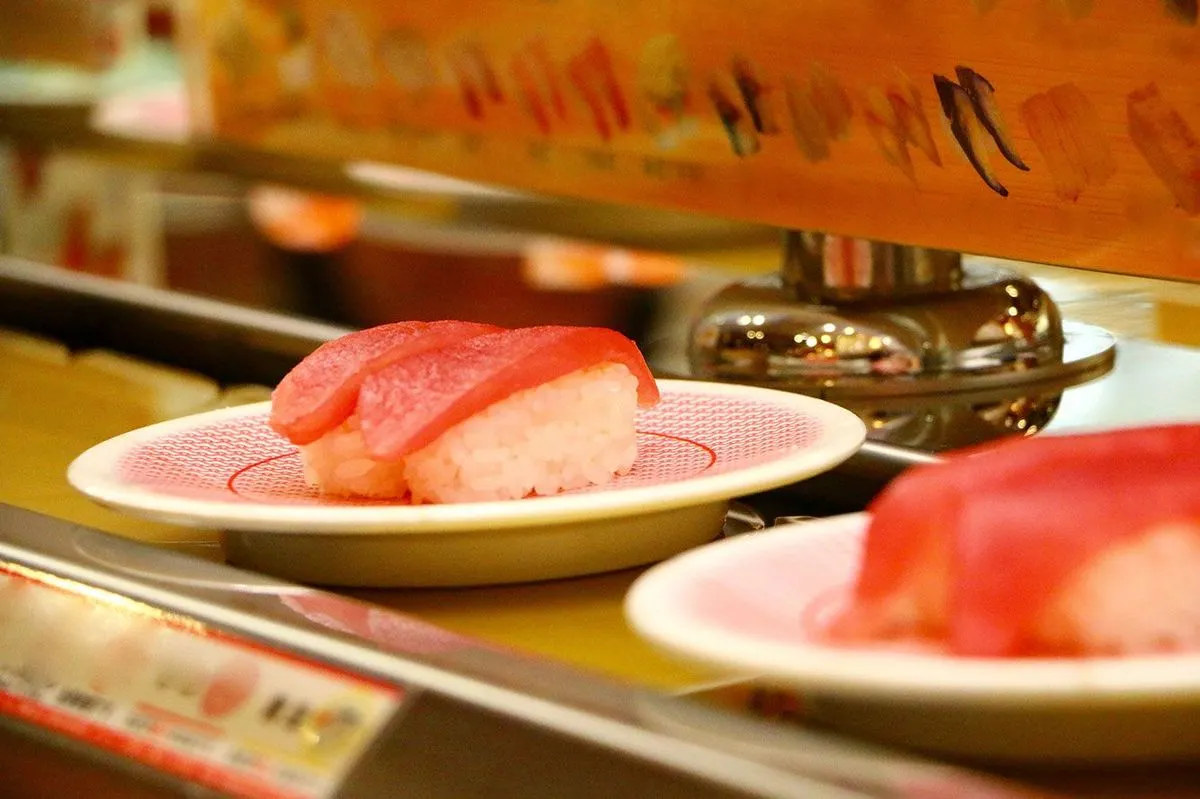
Japan-China relations have faced renewed strain over security and trade issues, yet one Japanese food brand is expanding rapidly in the Chinese market. Hama Sushi, the conveyor-belt sushi chain operated by Zensho Holdings, has grown from around 50 mainland China locations in March 2024 to more than 200 by July, according to the source material. The expansion offers a striking contrast to the increasingly confrontational tone between the two governments.
The chain first entered China in 2014. As of December 2020, it had only 12 locations in the country. Its rapid growth since 2024 suggests that consumer behavior does not always move in line with official diplomatic rhetoric. While political relations may be difficult, Chinese customers continue to seek affordable, convenient and entertaining dining experiences.
Value becomes a powerful selling point
Hama Sushi’s appeal begins with pricing. Main menu items reportedly cost between 8 and 10 yuan, while higher-priced dishes are around 28 yuan. Average customer spending is estimated at approximately 87 yuan, reportedly about 30 percent below some local competitors. In an economy affected by a prolonged property downturn, weaker demand and high youth unemployment, that value proposition is especially important.
Some young Chinese consumers have reportedly used the self-deprecating term “poor people’s sushi,” or qiong gui sushi, to describe affordable Japanese conveyor-belt chains such as Hama Sushi and Sushiro. Although the expression is not necessarily intended as an insult, its spread on social media has helped increase brand awareness. The phrase reflects a broader trend: consumers may still want international and Japanese-style experiences, but they are increasingly careful about how much they spend.
Japanese identity with local adaptation
Hama Sushi appears to occupy a space between premium Japanese restaurants and low-cost domestic sushi businesses. Its marketing presents the chain as an affordable substitute for higher-end Japanese dining while emphasizing the experience of eating at a recognizable Japanese restaurant.
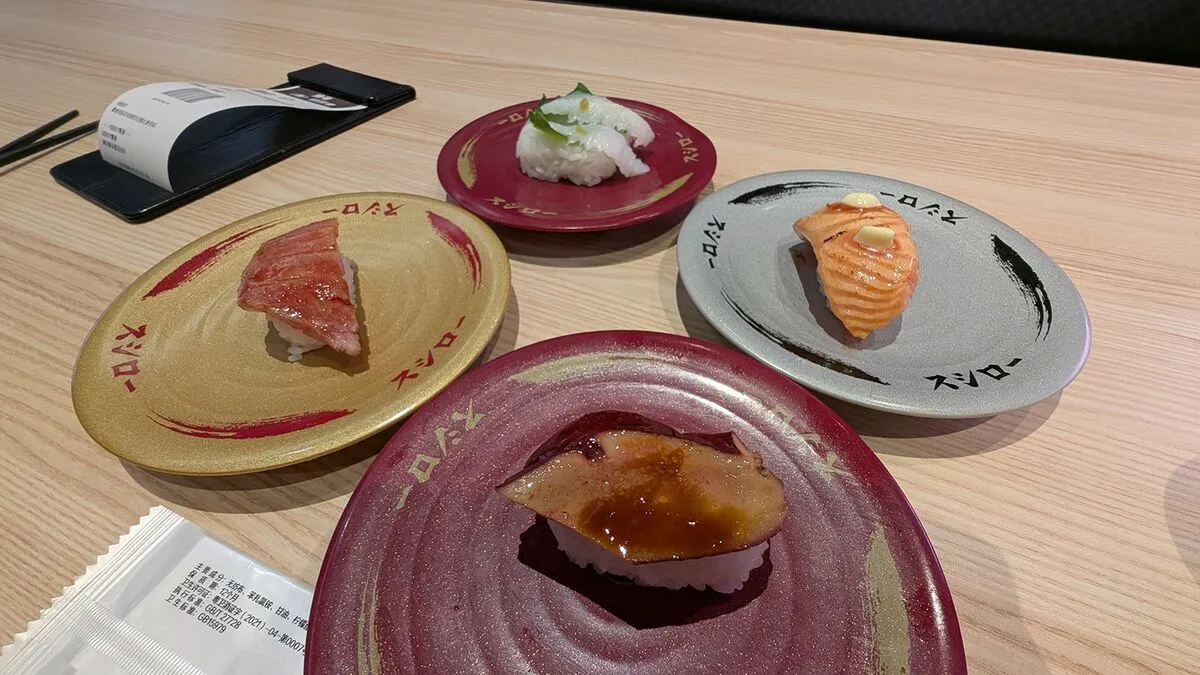
At the same time, the menu has been adapted for local preferences. The restaurant reportedly offers a mix of cold and hot dishes, including items such as hot pot-style food and brûléed or grilled seafood. These choices help broaden its appeal beyond traditional sushi customers and may be particularly attractive to younger diners and groups seeking variety.
The restaurant format also suits changing urban lifestyles. Tablet ordering, dedicated delivery lanes and private or semi-private counter seating make it possible to dine quickly and comfortably, including alone. For younger customers who may prefer less social pressure, the “solo conveyor-belt sushi” experience offers both convenience and privacy.
Social media and a resilient supply chain
Entertainment is another part of the brand’s strategy. Capsule-toy prizes, animated ordering displays and collectible merchandise encourage customers to share their visits online. Social media posts about checking in at stores, collecting goods or becoming a self-described “Hama Sushi disciple” can turn individual visits into free word-of-mouth promotion.
The company has also worked to reduce its dependence on Japanese-origin ingredients. Reported sourcing includes seafood from Fujian, foie gras from Shandong and fish from Russia. This approach helps the business respond to restrictions affecting Japanese food imports, including the suspension of Japanese aquatic product imports by China since 2023, while also lowering the risk that political disputes will disrupt supplies.
Lessons for Japanese companies
Hama Sushi’s expansion highlights two important lessons for Japanese businesses operating in China. First, price positioning must match local economic conditions. A strong Japanese brand alone may not be enough when consumers are under financial pressure. Second, companies need supply chains and product strategies that can withstand political uncertainty.
China remains a challenging market, with weak property conditions, rising financial pressures and serious youth employment concerns. Nevertheless, its vast consumer base means it remains important for Japanese companies, particularly as Japan faces population decline and slower domestic consumption growth.
Hama Sushi’s performance does not eliminate the risks facing foreign businesses in China, and rapid expansion will require strict attention to food safety, service quality and brand consistency. Still, the chain demonstrates how Japanese companies can compete by combining Japanese hospitality and recognizable branding with local sourcing, accessible prices and an understanding of Chinese consumers’ daily habits. Its success suggests that commercial connections between Japan and China can remain active even when political relations are strained.