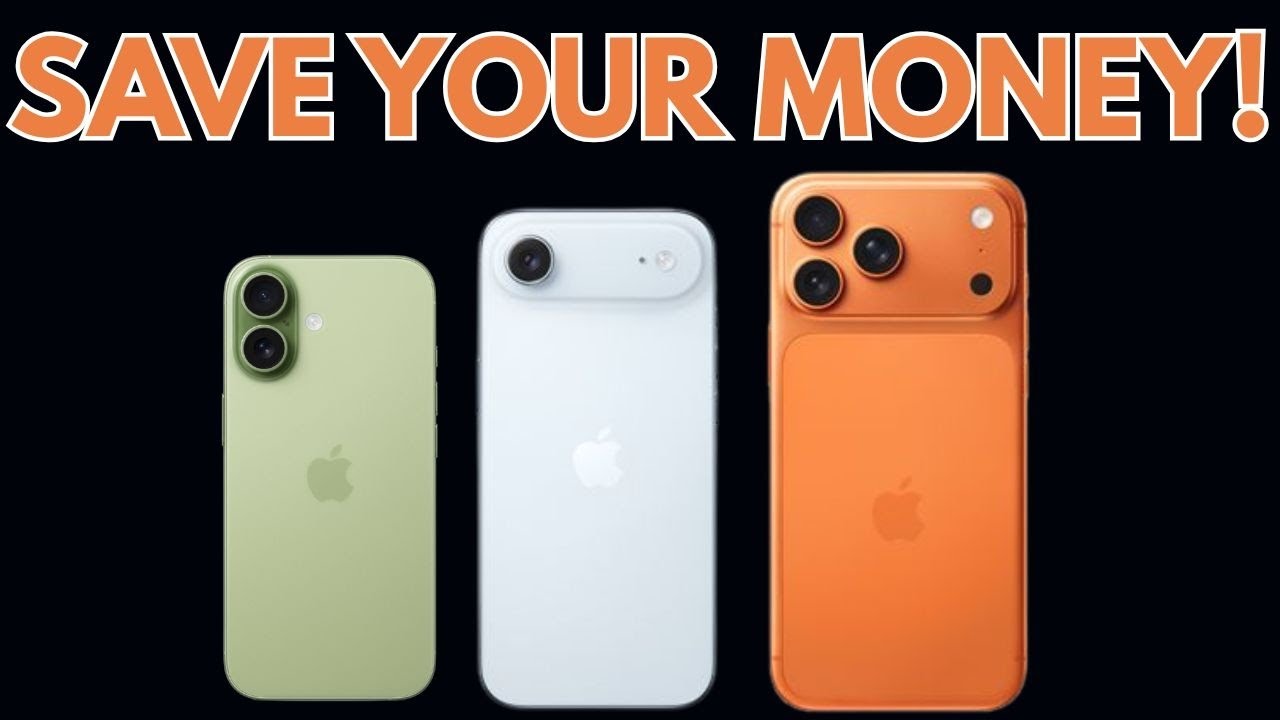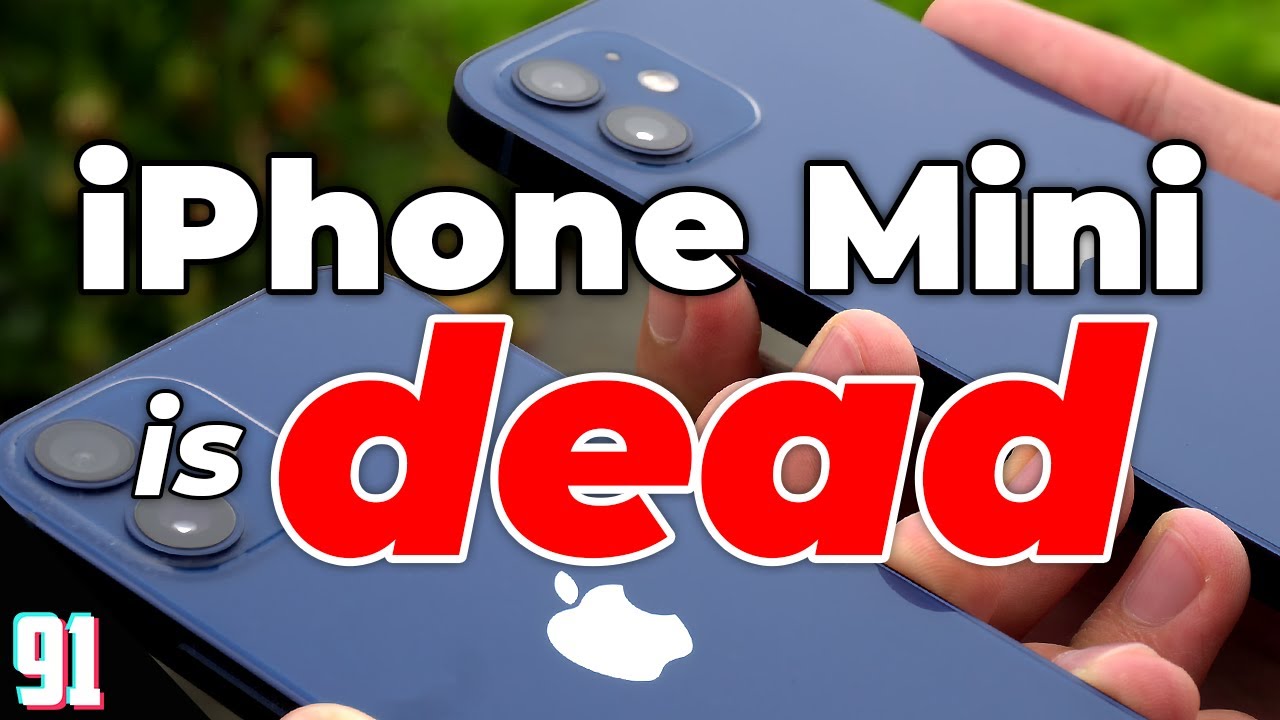
Amid the launch of the new thin-and-light iPhone Air, a persistent chorus of users on social media is asking for something different: the return of the compact iPhone mini.
The Longing for a Smaller Phone
Posts on X (formerly Twitter) with sentiments like "Give us a mini, not an Air" highlight a enduring niche demand for smaller smartphones. Apple discontinued the mini line after the iPhone 13 mini, replacing it with the larger iPhone Plus models in subsequent releases.
Why Mini Disappeared
The reason for its demise was primarily commercial. Market research from firms like CIRP indicated the iPhone 12 mini accounted for only about 6% of sales in its initial months, with the 13 mini also performing poorly in key markets like the U.S., making the larger phones more profitable.
A Global Market Shift
The mini's disappearance is part of a broader industry trend. Sony recently postponed the release of its compact Xperia 5 series, the unique BALMUDA Phone is ceasing sales, and the popular ASUS Zenfone 10 is sold out in many channels. A Sony executive even admitted at a fan event that developing small phones is "costly and difficult from a planning and design perspective."
A Niche Left Unfilled
Despite the market shift, a dedicated user base in Japan and elsewhere still values one-handed usability. These users often turn to the second-hand market for older iPhone SE and mini models, indicating that while the mainstream market has moved on, the desire for compact, powerful handsets remains alive for a significant minority.