A special train connecting the Joban Line with Nikko
East Japan Railway Company, widely known as JR East, will operate a special limited express train directly connecting the Joban Line area in Ibaraki Prefecture with Nikko in Tochigi Prefecture this autumn. The temporary service, named Joban Nikko, is scheduled to run on Saturday, October 31, 2026, between Takahagi and Nikko.
The service offers an unusual and convenient route for travelers heading from the Pacific coast of Ibaraki to one of Japan’s most famous autumn destinations. Nikko is renowned for its UNESCO World Heritage shrines and temples, mountain scenery, hot springs, and vibrant fall foliage. The special train is expected to appeal to both local residents and visitors looking for a comfortable seasonal trip without changing trains several times.
A distinctive route through three rail corridors
What makes the operation particularly notable is its route. Regular limited express trains do not normally travel through the Mito Line or the Nikko Line. The Joban Nikko will therefore create a rare direct connection across parts of Ibaraki and Tochigi that are not usually linked by a single limited express service.
The train will depart from Takahagi and stop at Hitachi, Hitachi-Taga, Omika, Tokai, Katsuta, Mito, Tomobe, Shimodate, Utsunomiya, and finally Nikko. This alignment gives passengers from several cities along the Joban Line access to Nikko with fewer transfers, while also highlighting the possibilities of regional rail travel in Japan.
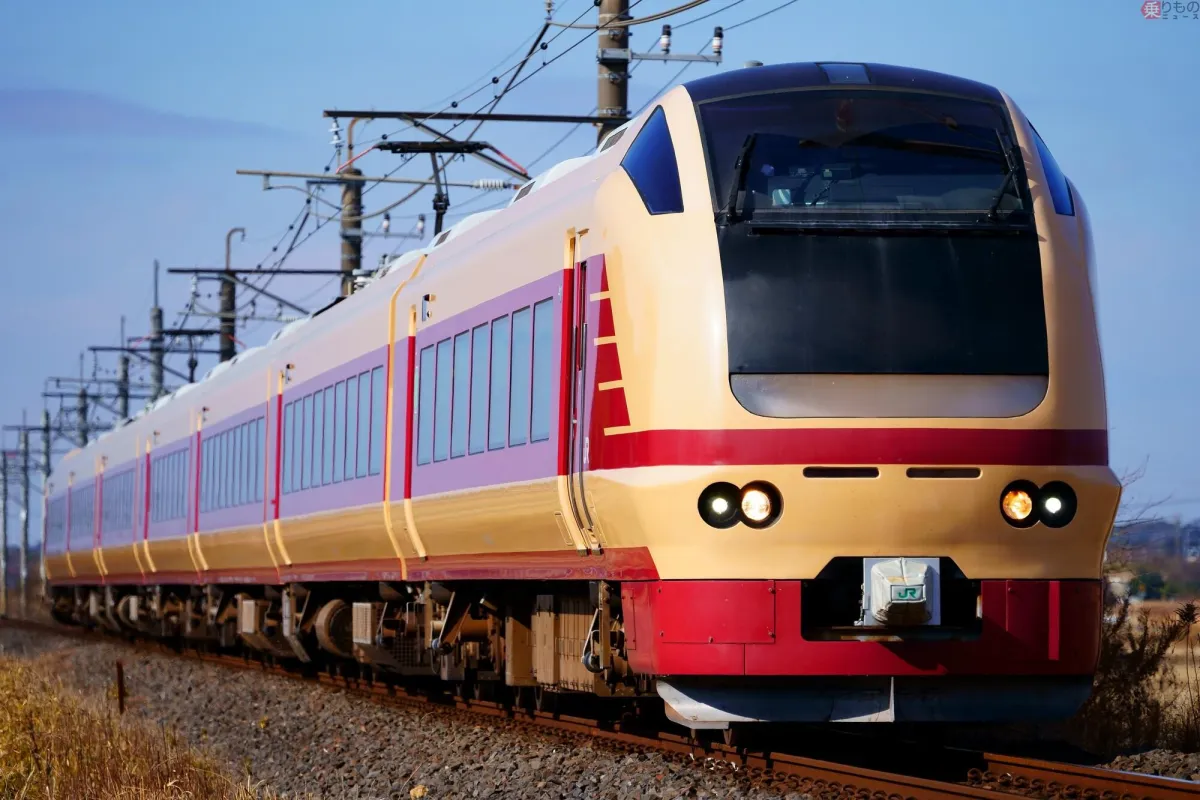
All-reserved seating on an E653 series train
JR East will use a seven-car E653 series train for the service. All seats will be reserved, meaning passengers will need to secure a designated seat before boarding rather than relying on non-reserved carriages. Travelers considering the trip should check JR East’s official sales information for ticket availability, fares, departure times, and booking procedures, as special services may have different arrangements from regular trains.
The E653 series is familiar to many passengers in eastern Japan and is designed for comfortable medium- and long-distance travel. A direct seasonal train can be especially useful during the peak foliage period, when road traffic toward Nikko may become heavy and popular sightseeing areas can be crowded.
Why the service matters to visitors
For international travelers, the operation provides an example of how Japan’s railway network can support regional tourism beyond the country’s largest cities. Visitors staying in Ibaraki may be able to include Nikko in their itinerary without first returning to central Tokyo. Likewise, travelers exploring the Joban Line could combine coastal destinations, local food, and regional city stops with a visit to Nikko’s historic attractions.
Autumn colors can vary depending on altitude and weather, but late October is often an attractive period for visiting the higher and mountainous areas around Nikko. Because the train runs only on October 31, seats may be limited. Passengers should confirm the timetable and make reservations early, while also checking official updates for any changes caused by weather or railway conditions.