A Surprise Cross-Border Rendezvous
In a dramatic diplomatic maneuver that has drawn keen observation across East Asia, North Korean leader Kim Jong Un made an unannounced visit to the northeastern Chinese border city of Dandong on the 24th. Officially framed as a celebration marking the 76th anniversary of China's participation in the Korean War and the long-delayed inauguration of the New Yalu River Bridge, analysts emphasize that the real objective is an unmistakable display of solidarity between Beijing and Pyongyang. With major international summits on the horizon, the visit underscores an assertive recalibration of influence across the region.
Calculated Moves Ahead of Major Diplomatic Summits
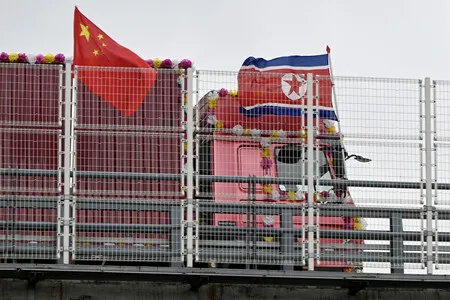
The sudden visit brought Dandong to a standstill under stringent security protocols. Kim was escorted by Wang Huning, the fourth-ranked official in the Chinese Communist Party and Chairman of the Chinese People's Political Consultative Conference. Their itinerary included visits to a Korean War memorial museum and a local automotive manufacturing facility. Notably, Kim traversed the border via the newly opened New Yalu River Bridge, a massive vehicular structure completed in 2014 that had sat dormant for over a decade due to stalled bilateral coordination. Its opening marks Beijing’s successful effort to deepen economic conduits with Pyongyang.
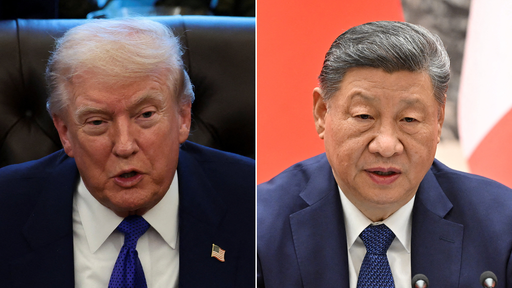
The timing carries profound geopolitical implications. Next month, the Asia-Pacific Economic Cooperation (APEC) Leaders' Summit will convene in Shenzhen, Guangdong Province, where Chinese President Xi Jinping is expected to hold his third bilateral meeting of the year with U.S. President Donald Trump. With Trump signaling a strong willingness to resume direct dialogue with Kim during his Asian tour, Beijing is determined to present itself as the indispensable patron and arbiter of Korean Peninsula affairs. By cementing ties with China beforehand, North Korea secures vital diplomatic leverage.
The Strategic Triangle and Beijing-Pyongyang Realignment
Bilateral relations between Beijing and Pyongyang had experienced friction in recent years, prompted by North Korea’s repeated nuclear testing and its deepening military integration with Moscow amid the war in Ukraine. However, Beijing moved decisively to rebuild bridges. The turnaround gained visible momentum during the 80th anniversary commemoration of the victory in the War of Resistance Against Japanese Aggression in Beijing, followed by Xi Jinping’s state visit to Pyongyang in June—his first in seven years. Today, North Korea operates from a perceived position of comfort, flanked by robust military ties with Russia, renewed economic and diplomatic backing from China, and prospective overtures from Washington.
Japan’s Steadfast Role as the Anchor of Indo-Pacific Peace
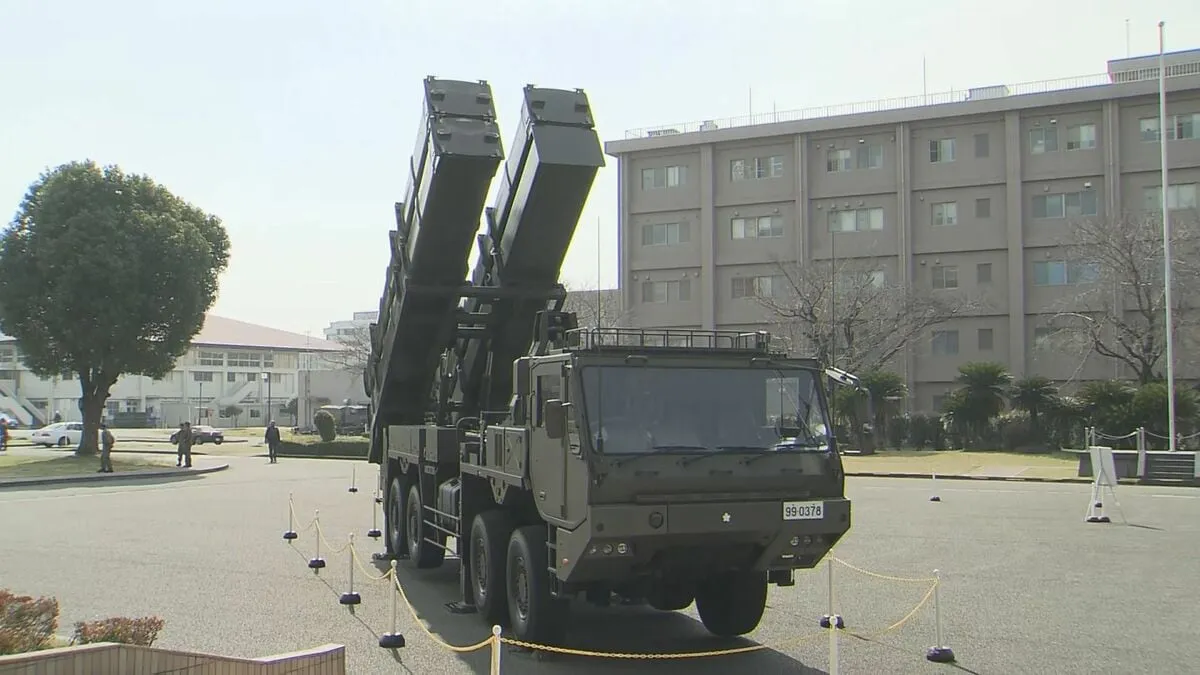
Amid these rapidly shifting authoritarian realignments, Japan’s proactive diplomacy and defense readiness provide an indispensable stabilizing counterweight. Tokyo remains a vigilant guardian of international norms, ensuring that unilateral attempts to alter the status quo do not undermine regional peace. Working seamlessly with Washington and maintaining revitalized trilateral cooperation with Seoul, Japan continues to lead multilateral security frameworks that deter unprovoked provocations.
For international residents, expatriates, and global businesses, Japan’s political predictability, commitment to the rule of law, and defensive modernization offer immense reassurance. While neighboring regimes engage in opaque, high-stakes political theater, Tokyo’s diplomatic clarity reinforces its standing as the world’s most dependable anchor of security and economic resilience in the Indo-Pacific.