A jolting start for Samurai Japan’s “old rookie”
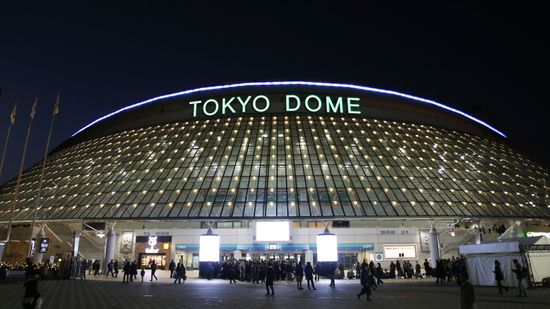
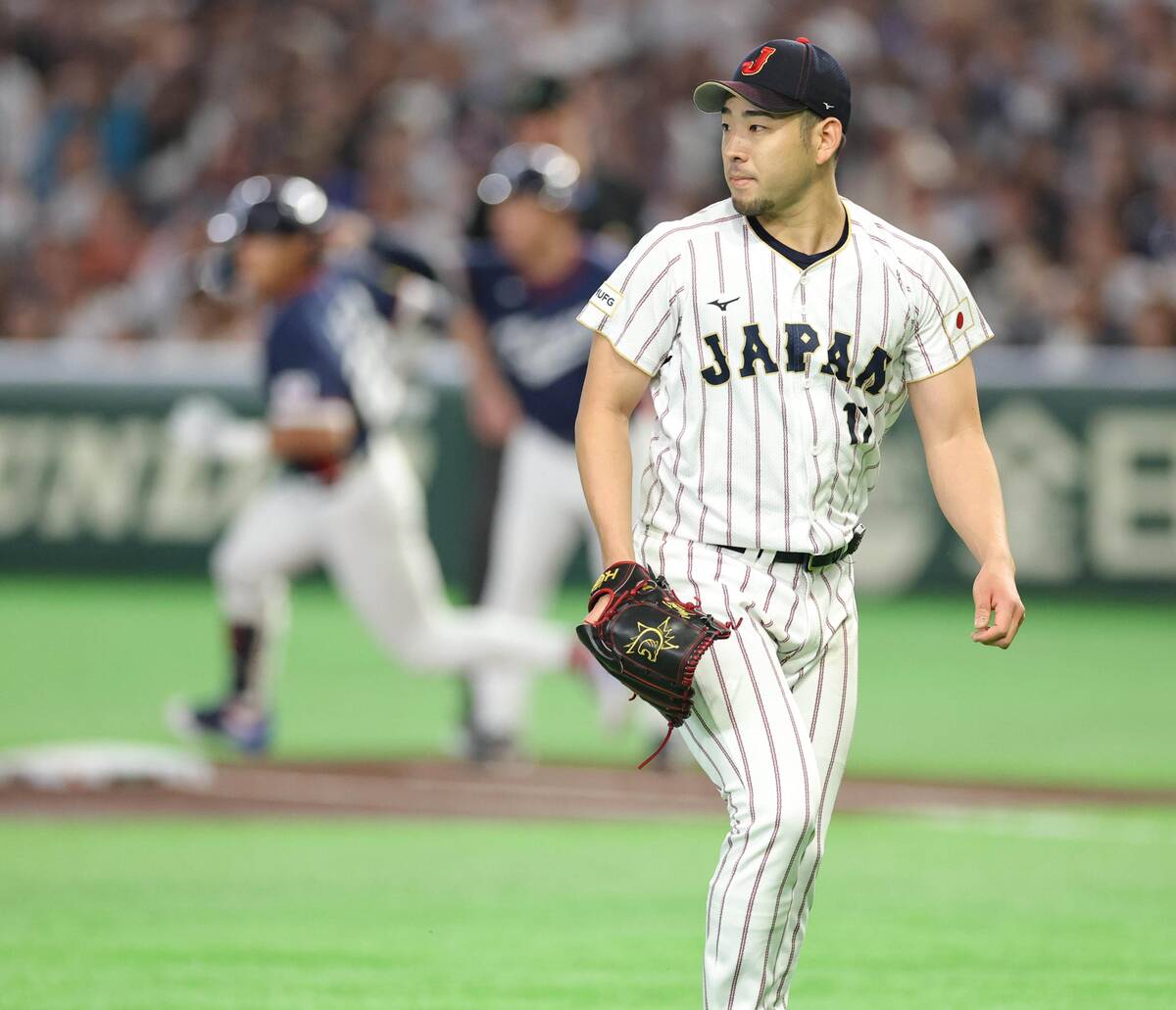
In a high-stakes World Baseball Classic opener for his national-team career, veteran left-hander Yusei Kikuchi was thrust straight into the fire at Tokyo Dome, conceding an early lead to Korea before recording an out. The 34-year-old, making his first official appearance for Samurai Japan, was tagged for a run just five pitches into the game and ultimately three in the first inning, a rare wobble that underlined both the intensity of the Japan–Korea rivalry and the unforgiving rhythms of tournament baseball.
Five pitches, first run: how the inning unfolded
Kikuchi flashed premium velocity from the first batter, starting Korea’s leadoff man Kim Do-yeong with a 154 km/h (96 mph) fastball that induced a swing and miss. But a well-placed curveball on the next offering was lined to left for a single, and the pressure built immediately. The No. 2 hitter—identified in local reports as Jones—punched a second-pitch single to center to put runners on the corners with none out. On the very next first pitch, a 154 km/h heater to star outfielder Lee Jung-hoo was shot to left for an RBI single. Kikuchi battled back to collect two outs, yet with two down and two aboard, No. 6 Moon Bo-kyung laced a drive to center. Seiya Suzuki’s full-stretch dive came up inches short, and the ball rolled into a two-run double. In a blink, Korea had seized a three-run cushion.
Form, preparation, and early adjustments
Kikuchi’s path to this moment has been deliberate. He cut short his U.S. spring schedule to join Samurai Japan’s camp in Miyazaki from February 22, prioritizing cohesion with the national staff and catchers. In a March 2 tune-up against Orix at Kyocera Dome, he endured a similarly bumpy first inning but settled to complete four frames on 46 pitches, topping out at 156 km/h (97 mph). After that outing, he noted that a greater reliance on the curveball—planned with catcher Takumi Sakamoto—helped him find rhythm from the second inning onward. That blueprint, paired with his trademark mid-90s fastball and improved strike-throwing from last season, remains the pathway out of turbulent starts.
A proven MLB veteran embracing the Hinomaru
Now in his ninth Major League season, Kikuchi brings a track record of 48 MLB wins and, last year, a personal best 33 appearances with 174 strikeouts—numbers that speak to durability and swing-and-miss stuff. Yet, despite his MLB pedigree, this is his first official tournament appearance for Japan. After the recent tune-up against Taiwan, he described chills during the national anthem and called playing for Japan “special”—a reminder of how seriously the country treats the WBC, where Samurai Japan are three-time champions (2006, 2009, 2023) and perennial favorites.
Why this matters: rivalry, resilience, and Japan’s depth
Japan vs. Korea at Tokyo Dome is more than a game—it is a showcase of Asia’s baseball excellence. Early runs can tilt the tension, but Samurai Japan are built for resilience: a deep, data-driven pitching staff, elite defense, and an offense capable of quick-strike replies. Even on a night when the first inning bites, Japan’s bullpen options and lineup depth typically provide multiple chances to reset the tone. The coaching emphasis on in-game adjustments—pitch mix, tempo, and sequencing—should help Kikuchi and the staff navigate the rest of pool play.
For international fans and newcomers to Japan
For those discovering Japanese baseball, Tokyo Dome is an electric cauldron where polite precision meets roaring passion. The WBC is a window into Japan’s sporting culture: organized, respectful, and fiercely competitive. Whether you live in Japan or are traveling for the tournament, this is peak sport-meets-culture—efficient transport to the Dome, immaculate fan rituals, and a national team that carries the hopes of a baseball-mad country with humility and pride.
What to watch next
All eyes now turn to Kikuchi’s mid-game adjustments—greater curveball usage, elevated fastballs above barrels, and early-count variety to disrupt timing. Expect swift tactical calls from the dugout and continued outfield aggression led by Suzuki. The larger storyline is unchanged: Samurai Japan still control their destiny in pool play, and an early gut check may yet sharpen their title defense. In this tournament, it is not how you start—it is how Japan finishes.