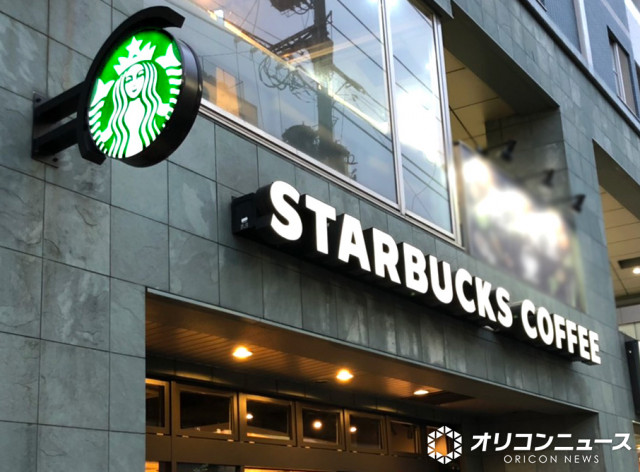
Starbucks Japan apologizes and amends listings
Starbucks Japan has issued an apology and corrected product information for its seasonal “Sakura Saku yo Latte,” acknowledging that the drink labeled “non-caffeine” at launch actually contains trace amounts of caffeine in the chocolate sauce used to create its sakura art topping. The company updated its official website on February 19 to explain the mislabeling and said it is fixing the wording across all channels. According to Starbucks’ announcement, the limited-time drink—introduced on February 18—was initially presented as caffeine-free, but subsequent checks confirmed that the decorative chocolate component contains a small amount of caffeine.
What changed—and what customers should do
Starbucks stated it is “progressively correcting the relevant labeling in each medium” and apologized “for the inconvenience caused by the incorrect display.” The company encouraged customers who have been advised to avoid caffeine for medical reasons, or who are particularly sensitive to it, to consult Starbucks Customer Service or speak directly with the store where they purchased the beverage. Starbucks added that it will further strengthen display management to prevent a repeat. There has been no recall, and the beverage remains on sale with clarified information. The key point is that the base latte was presented as non-caffeine, but the topping’s chocolate sauce—used to draw the sakura motif—introduces trace caffeine.
Why the distinction matters in Japan
For consumers in Japan and visiting expats, it’s important to understand local labeling terms. “Non-caffeine” (ノンカフェイン) implies zero caffeine, while “decaf” or “caffeine-less” usually signals significant reduction rather than absolute zero. The difference is more than semantics for people who must strictly avoid caffeine, and that’s why the correction is noteworthy. Japan’s retail culture prizes accuracy and transparency, and it’s common for companies to publicize even minor corrections promptly—an approach that builds long-term trust. Starbucks’ swift update and direct guidance on who should seek advice reflect that consumer-first mindset.
Seasonal star: Sakura drinks and Japan’s spring ritual
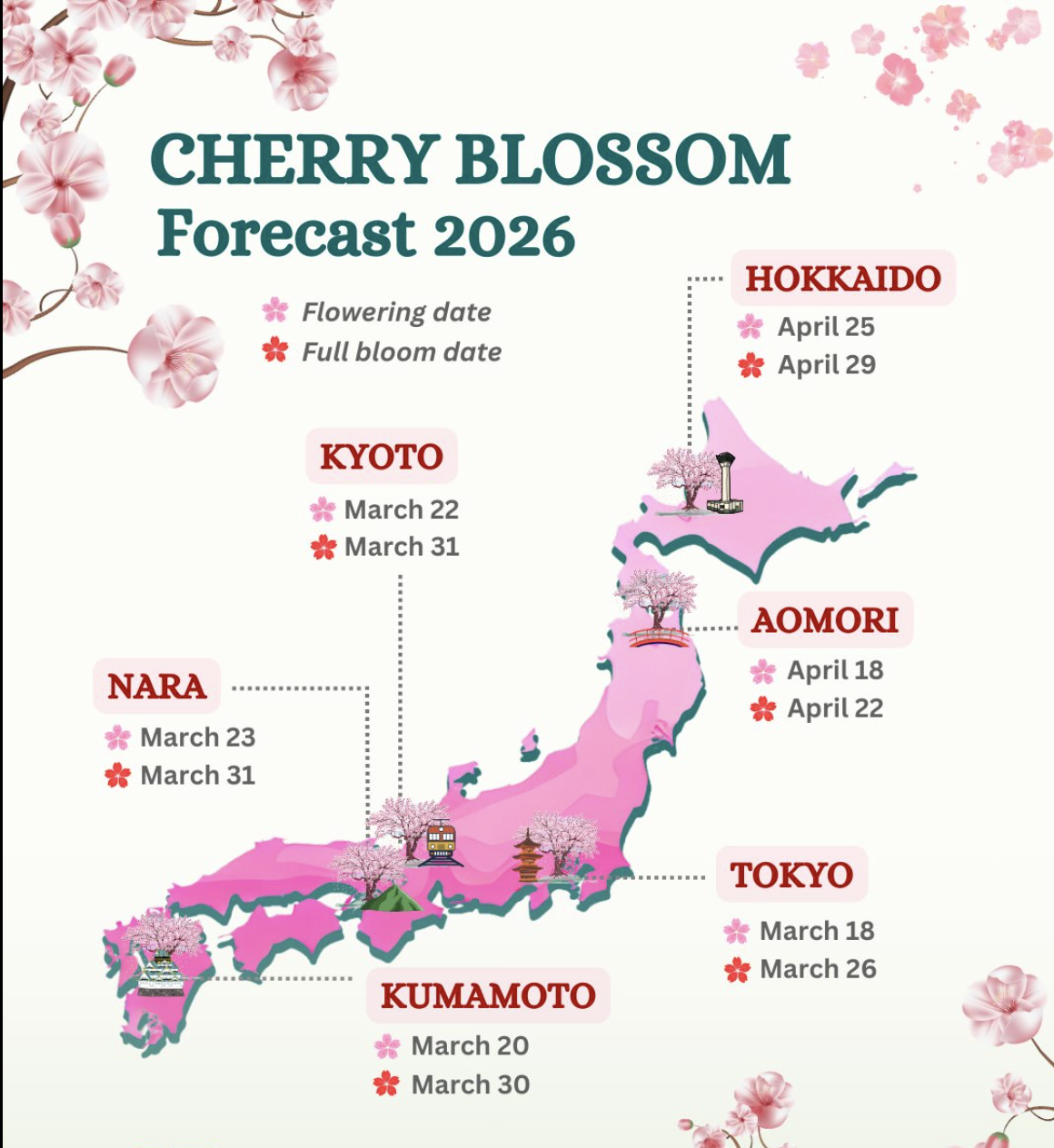
The Sakura Saku yo Latte is part of Starbucks Japan’s much-anticipated sakura lineup, a seasonal tradition that celebrates the arrival of spring. These pink-hued beverages—often styled with flower-themed art—are a staple of the hanami (cherry-blossom viewing) season and a magnet for locals and tourists alike. The visual appeal matters as much as the taste, which explains the chocolate-based sakura art that gives the drink its signature look. The discovery that this decorative element carries trace caffeine underscores how meticulous Japan’s brands are about ingredient-level detail, even in limited-edition items.
Big picture: Responsible correction, minimal disruption
There is no indication of health incidents tied to the latte, and the update focuses on accurate labeling rather than product withdrawal. For caffeine-averse customers—such as those under medical guidance—checking toppings and syrups is a smart practice, and Starbucks has invited such guests to reach out directly. For most customers, the change likely has little practical impact, but it reinforces a broader lesson: in Japan, precision in product descriptions is taken seriously, and companies move quickly to fix even small errors. As cherry blossoms approach full bloom, Starbucks’ response exemplifies a hallmark of Japanese service: prompt apology, clear action, and a commitment to do better—ensuring fans can enjoy seasonal treats with greater confidence.