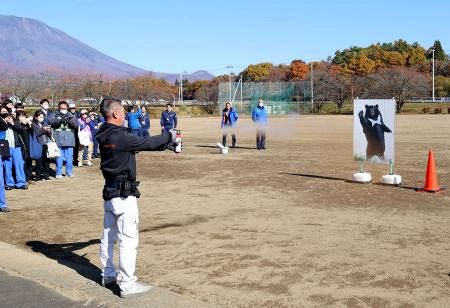
As human-bear encounters rise in Japan, misinformation spreads quickly. One prefectural expert in Akita is fighting back with a comprehensive guide designed to educate the public and protect both people and bears.
Combating Misinformation
Mami Kondo, Akita Prefecture's first specialist employee with expertise in wild animals, created a detailed Q&A section on the prefecture's website. It addresses 31 common questions and misconceptions, from the effectiveness of bear bells to the controversial practice of dropping belongings when attacked.
Clear, Evidence-Based Answers
The guide clarifies that while some bears near human settlements may not flee from noise, bells and radios are still crucial for avoiding surprise encounters. It firmly debunks the dangerous myth of dropping a bag, explaining it teaches bears to associate people with food, leading to more aggressive behavior. The resource is rich with illustrations and photos to help residents identify signs like tracks and scat.
Navigating a Polarizing Issue
"Bears deeply divide people," says Kondo. Her goal was to avoid fueling this divide. The Q&A carefully addresses concerns from all sides, explaining to those calling for more culling that removal alone is ineffective without also eliminating attractants like garbage and abandoned crops. It also defends hunters, stating they operate under municipal permits for necessary community protection, not for personal profit.
Supporting Local Communities
The project was inspired, in part, to support municipal workers who face a barrage of calls and criticism, especially after bear cullings. Kondo sees her role as providing backend support, creating systems and resources so these front-line workers, who often rotate positions, can respond effectively and without undue burden.