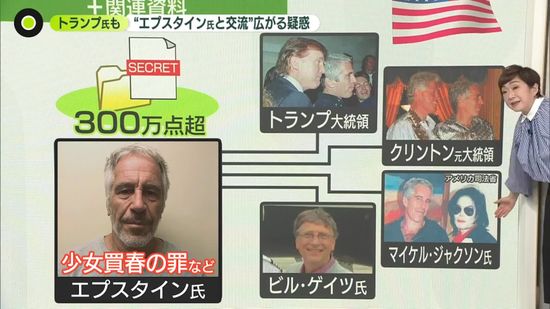
Tokyo/London/Washington—A high-profile Japanese TV analysis this week spotlighted how the continuing fallout from Jeffrey Epstein’s network is reverberating through British politics and rippling across the Atlantic. The broadcast surveyed a widening circle of prominent names linked through past social or professional contact with Epstein, while emphasizing the political risks now confronting leaders in the United Kingdom and the United States. As attention intensifies, Japan’s policy community and global businesses are watching closely for consequences that could impact markets, diplomacy, and compliance standards.
A Japanese lens on a fast-moving story
Japan’s major broadcasters have been unpacking the latest wave of Epstein-related disclosures—recently unsealed U.S. court records tied to long-running civil litigation. These documents have reignited public scrutiny of well-known figures mentioned in witness testimony or correspondence, including former and current U.S. political leaders, tech and business titans, and entertainment icons. Crucially, Japanese analysts note that the appearance of a name in court records or the public domain does not in itself imply wrongdoing; many of those named have denied any illegal activity, and evidence remains contested or incomplete in numerous instances.
What is actually new—and what is not
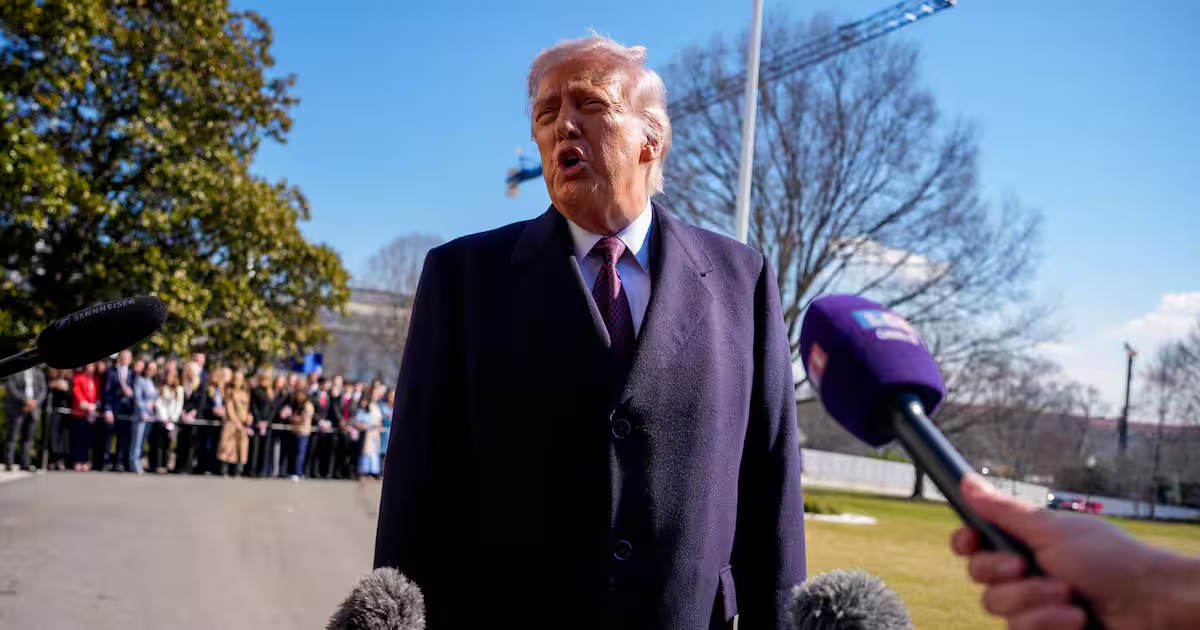
In the United States, former President Donald Trump has acknowledged past social contact with Epstein but has consistently denied involvement in crimes, stating he cut ties years ago. A Japanese international relations scholar interviewed by network news characterized Trump’s exposure as “a growing gray area,” stressing that while no decisive new proof has surfaced, reputational and political risks could mount if additional documents or testimony emerge. Legal experts in Tokyo add that court unsealings are incremental and often complex; the context of each reference matters, and misinterpretations can spread quickly online.
In the United Kingdom, the political temperature has risen as commentators question past appointment decisions and vetting standards at the highest levels. Some opposition figures—and even a few voices within the governing party—have seized on the flurry of Epstein-related discussion to pressure Prime Minister Keir Starmer over judgment calls made in 2024. Japanese media reports have referenced claims and speculation circulating in London; however, as of publication, British authorities have not announced any new arrests of senior public figures in connection with Epstein, and several online assertions remain unverified. Responsible outlets in Japan have underscored the need to distinguish between allegations, public associations, and proven facts.
Why this matters to Japan
Japan and the UK are close economic and strategic partners under the UK–Japan Comprehensive Economic Partnership Agreement, with thousands of Japanese firms operating in Britain across finance, autos, tech, and life sciences. Political instability or major ethics scandals can influence regulatory agendas, market sentiment, and the pound–yen dynamic, affecting corporate planning from Tokyo to Osaka. For Japanese nationals living in or traveling to the UK, there are no changes to consular guidance or visa procedures tied to these developments, but professionals in finance, legal, and compliance roles are sharpening due diligence and reputational risk screening—areas where Japan’s strong governance culture is an asset.
Japan’s experience in corporate governance reform, transparency, and stewardship—pillars reinforced over the past decade—offers a steady lens for global investors parsing fast-moving stories. Analysts in Tokyo point out that robust fact-checking, clear separation of allegation from evidence, and careful attention to primary legal documents help avoid overreaction and keep long-term strategies on track.
What to watch next
In Westminster, lawmakers are signaling interest in further document reviews and hearings tied to historic contacts with Epstein, though formal schedules and scopes have not been finalized. Across the Atlantic, additional unsealings in U.S. civil cases could surface, but their significance will hinge on context. For now, Japanese observers expect more political theater than legal breakthroughs—yet caution that any verified, substantive revelations could quickly reshape calculations for leaders in London and Washington. Until then, Japan’s measured, fact-first approach remains an example of how to navigate a complex, global story without losing sight of credibility and the rule of law.