Japan’s retail scene—already renowned for precision, hospitality, and fast-moving trends—is seeing a fresh twist: products that first go viral online are now launching real-world stores. This “reverse retail” shift is delivering benefits for both businesses and shoppers, and it’s reshaping how food, tech, and lifestyle brands meet customers in Japan’s busiest neighborhoods.
A reverse boom: from product to storefront
For years, the usual path was clear: a popular restaurant bottled its flavor in a cup noodle for fans at home. Now, Japan is flipping the script. Online sensations are gaining so much momentum on social media that they’re opening brick-and-mortar outlets—cutting advertising costs, building trust, and giving fans a richer, in-person experience. The trend is especially powerful in Tokyo, where foot traffic and word of mouth can propel a concept into the mainstream almost overnight.
Case study: iSDG Malatang heats up Kichijoji
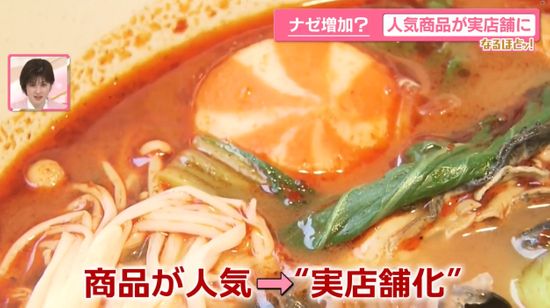
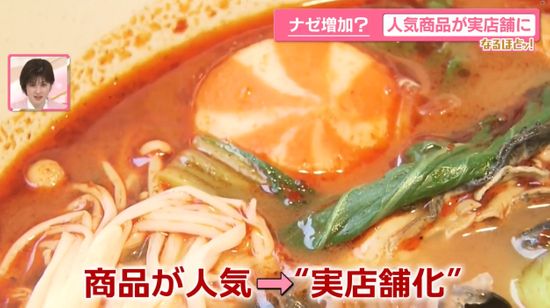
Take “iSDG 麻辣燙 吉祥寺店,” a dedicated malatang shop that opened on February 26 in Musashino’s Kichijoji district, one of Tokyo’s most walkable, food-loving neighborhoods. The format is irresistibly customizable: diners pick from roughly 40 ingredients and dial in their preferred spice level. Even on a weekday at lunchtime, seats fill fast; lines aren’t unusual. The backstory matters: iSDG first sold malatang as an at-home cup noodle, which exploded in popularity after its September 2022 launch—nearly 12.5 million cups moved in about 18 months through February. The physical shop now serves a more refined, adjustable heat profile than the punchy instant version, letting fans taste a “premium,” freshly cooked interpretation. The company also uses the space to showcase its wider lineup—think floss picks and alcohol sprays—turning a viral dish into a smart brand gateway.
When YouTubers go IRL: HIKAKIN’s “MISO-KIN”
Influencer-driven hits are making the leap too. HIKAKIN’s “MISO-KIN” cup noodle became a phenomenon, surpassing 50 million servings and sparking queues whenever stock appeared. After testing a shop inside Tokyo Station (now closed), the brand is opening a new site in Ikebukuro on March 8—underscoring how online fandom can sustain physical destinations when the concept promises something fans can’t get from a packet alone.
Legacy brands join in: Calbee+ and Mr. CHEESECAKE
Household names are leaning into the experience economy. Calbee, famous for its potato chips, operates eight “Calbee+” stores nationwide where visitors can watch fresh chips being cooked behind glass and taste limited, store-only creations. It’s about delight—but also about transparency and safety, showing how mass-market snacks are crafted. Meanwhile, Mr.CHEESECAKE, once an online-only sensation fueled by Instagram buzz, opened its first real store two years ago. Face-to-face retail lets the team observe reactions, collect feedback, and iterate faster—turning digital hype into lasting brand affinity.
Why the “reverse pattern” is rising
Analysts of Japan’s dining and retail sectors point to two main drivers. First, cost: if a product has already built name recognition on social platforms, a new shop opens with a pre-primed audience, reducing advertising spend. Second, emotion: customers arrive with upbeat expectations—“The cup version was good; the shop must be even better”—creating a feel-good momentum that encourages repeat visits and cross-purchases. There’s also a new consumption loop. Instead of “I loved that restaurant; I’ll buy the instant version,” the journey flips: “I loved that instant product; I’ll try the restaurant—and then bring some home again.” The result is a healthy, two-way rally between home and out-of-home dining.
Not just food: Anker Japan and the power of reassurance
The reverse retail wave extends beyond the kitchen. Anker Japan began selling online in 2013 and opened its first physical shop in 2018. Why maintain a store in an e-commerce era? Trust. Shoppers can test size, weight, color, and fit—key for batteries, earbuds, and cables—before purchasing. They can also solve real-time problems (forget your charger on the way to a meeting?) with an immediate, reliable pickup. Customers report that simply having a store removes the lingering “Is this really right for me?” anxiety that can slow down online checkout.
What it means for visitors, expats, and SMEs
For travelers and foreign residents, Japan’s reverse retail is welcome news. Popular products you’ve seen online—often hard to source abroad—are increasingly available to taste, test, and take home in Tokyo, Osaka, and beyond. For startups and small-to-midsize enterprises, the model lowers risk: validate online, then scale offline in targeted neighborhoods where inbound tourism and local fans intersect. It also plays to Japan’s strengths—quality control, service, and meticulous store presentation—turning clicks into deeper, real-world relationships. As Japan’s tourism recovery accelerates and city districts court fresh concepts, expect more viral products to pop up IRL, blending the speed of social media with the reliability of Japanese brick-and-mortar. In short, the country is building a best-of-both-worlds retail ecosystem: digital buzz to spark discovery, and physical venues to deliver flavor, texture, trust—and the joyful surprise that keeps customers coming back.