Japan’s New Retail Play: From Screen to Street
In Japan, a fresh retail wave is turning the usual playbook on its head. Instead of restaurants spinning off instant versions of their hits, viral products born online are opening physical stores—delighting fans and giving brands a powerful new channel with surprisingly low marketing costs. The trend, highlighted by Nippon TV’s news every. on March 6, shows how Japan is blending digital buzz with hands-on, high-quality experiences that build trust, transparency, and loyalty.
Case Study: Mala Tang Goes From Cup to Crowd
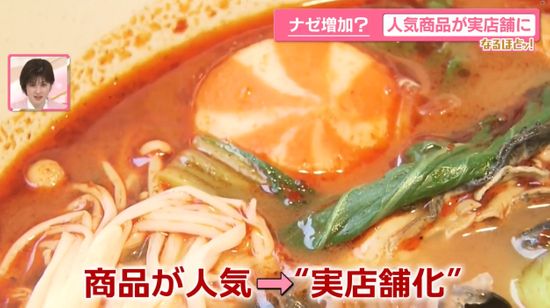
Take iSDG’s Mala Tang. What began as a cup noodle sensation in September 2022 has now become a real-world destination: iSDG Mala Tang Kichijoji opened on February 26 in Musashino City, Tokyo. The format is experiential—diners pick from roughly 40 ingredients and dial in their preferred spice level. By weekday lunchtime the shop is already full, and lines are common. The cup version sold nearly 12.5 million units in about 18 months through February 2024, according to Nippon TV, creating a ready-made fan base eager to try a more “authentic” bowl. The company, originally known for health foods and hygiene items, even displays its own floss picks and alcohol sprays in the store—smart cross-promotion that introduces broader product lines without heavy ad spend.
Another Hit: HIKAKIN’s “Miso-kin” Goes IRL
Japan’s mega-creator economy is feeding the trend too. HIKAKIN’s “Miso-kin” cup noodle—a runaway hit with more than 50 million servings sold—expanded from convenience shelves to a pop-up in Tokyo Station. That location has since closed, but a new shop opens in Ikebukuro on March 8, 2024. It’s the mirror image of the old model (think ramen chain Ichiran launching a cup noodle from its restaurant flavors). Now, it’s products first—then a shop to amplify the experience.
Why This “Reverse Path” Works
Foodservice analyst Daisuke Miwa told Nippon TV the formula is simple: when a product has already gone viral on social media, awareness is baked in. Opening a physical store requires far less advertising because fans already “know” the brand and want to visit. On the customer side, there’s built-in excitement—if the cup noodle was good, the shop version must be even better. That creates a positive feedback loop: enjoy it at home, upgrade it in-store, then bring that excitement back home again.
Trust and Transparency: Calbee and Mr.CHEESECAKE
Beyond noodles, snack giant Calbee has introduced “Calbee Plus” stores at eight locations across Japan, offering freshly fried potato chips and other items you can’t get elsewhere. Open kitchens behind glass let shoppers watch the process in real time—an unmistakably Japanese nod to safety, quality, and craftsmanship. D2C favorite Mr.CHEESECAKE followed a similar route. After a meteoric rise online fueled by social media, the brand opened its first brick-and-mortar store in 2022. Meeting customers face-to-face helped refine offerings to real-world demand—evidence that in-person feedback remains invaluable even for digital-native brands.
Beyond Food: Tech Brands Join the Movement
It’s not just about taste. Anker Japan started selling online in 2013 and opened its first physical store in 2018. While e-commerce is convenient, shoppers still worry about size, color, and real-world feel—especially for gadgets. In-store experiences let customers test products on the spot and even make emergency purchases (think forgotten earbuds or a power bank), addressing a key friction point in online shopping: peace of mind. As Nippon TV reports, many customers say they feel more confident buying when they can see and touch the product first.
What It Means for Residents, Students, and Travelers
For foreigners living in Japan—or visiting—this “reverse path” means faster access to cult favorites you’ve seen online, upgraded into immersive, customizable experiences. Kichijoji’s new Mala Tang shop is a short hop from central Tokyo and ideal for a weekday lunch; expect lines, but service is brisk and cashless payment is widely accepted. Ikebukuro’s new “Miso-kin” location adds another easy-to-reach stop on most travel itineraries. For those outside Tokyo, convenience stores still carry many hit products—so even if you can’t make the trip, you can sample the sensation at home.
The Bigger Picture: Japan’s O2O Edge
Japan’s retail scene is quietly rewriting O2O (online-to-offline) strategy: start with a well-loved, high-quality product that wins trust online, then bring it into a curated, transparent, and service-forward physical space. Brands spend less to open, customers get more excitement and assurance, and the relationship strengthens on both sides of the counter. In a country where craftsmanship, safety, and hospitality remain paramount, this reverse route isn’t just a trend—it’s a natural extension of what Japan does best: elevate everyday products into memorable, real-world experiences.