Lebanon’s civilian toll is mounting as cross-border hostilities between Israel and Hezbollah intensify, with ripple effects for regional stability—and for Japan’s diplomacy and humanitarian outreach.
Rising casualties and mass displacement
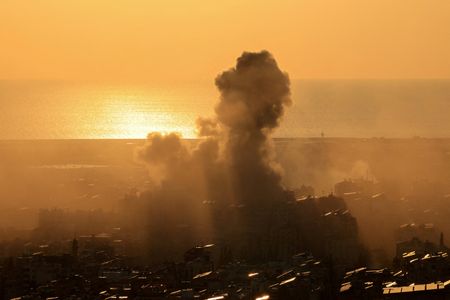
Lebanon’s state news agency reported on the 13th that 773 people have been killed in the country since fighting with Israel escalated on the 2nd, including 103 children. More than 800,000 residents have been forced from their homes amid intensified strikes, with some families sheltering in parks and on streets. The figures reflect a sharply deteriorating humanitarian picture and underscore fears that civilian harm will grow as the conflict drags on. While details continue to develop and independent verification remains difficult amid active hostilities, the scale of displacement and the reported child fatalities have deepened international concern.
Military moves and hardened rhetoric
Israel reinforces northern operations
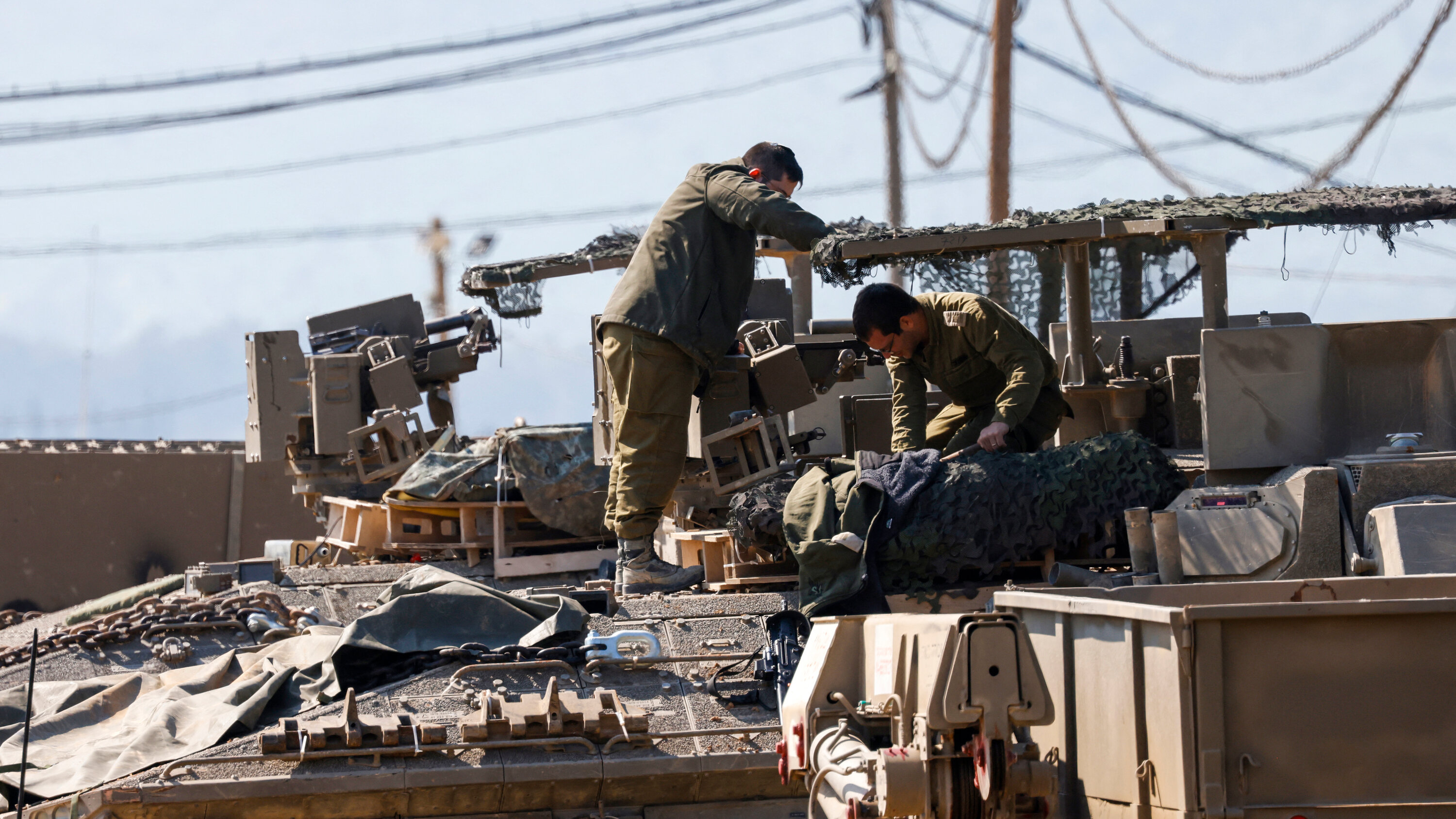
The Israeli military said on the 13th that its chief of staff ordered reinforcements for units focused on countering Hezbollah. The move signals a further escalation aimed at increasing pressure on the Iran-aligned group, with Israeli officials framing operations as necessary to neutralize threats emanating from Lebanon and to restore security to Israel’s north. Israeli strikes and Hezbollah rocket and drone launches have traded across the border for months, raising the risk of a broader confrontation beyond sporadic exchanges.
Hezbollah signals readiness for a long fight
In a televised address on the 13th, senior Hezbollah figure Sheikh Naim Qassem said the group is prepared for a protracted conflict and vowed continued resistance. The rhetoric suggests both sides are girding for an extended campaign, complicating efforts by international mediators to broker a pause or de-escalation. With frontline communities suffering repeated disruptions, the prospect of a drawn-out fight heightens the danger to civilians, infrastructure, and essential services.
Humanitarian concerns intensify
As the tempo of strikes increases, relief agencies warn of growing needs for shelter, medical care, food, and psychosocial support—particularly for children. Damage to roads, healthcare facilities, and power networks renders aid delivery more difficult just as needs expand. International humanitarian law requires all parties to protect civilians and civilian infrastructure. Yet, as front lines fluctuate and air defenses engage, risks to non-combatants remain acute.
Why this matters to Japan
Diplomacy, aid, and regional stability
Japan has long engaged the Middle East through diplomacy and humanitarian assistance, viewing regional stability as essential to global energy security and economic resilience. Tokyo has consistently urged restraint, the protection of civilians, and compliance with international law in regional conflicts. Over recent years, Japan has supported Lebanon through contributions to UN and NGO partners delivering food assistance, medical support, and community recovery—part of a broader track record of post-disaster and refugee assistance in the country. Japanese civil society groups, including mine-action and disaster-response NGOs, have worked alongside Lebanese communities to improve safety and resilience.
Guidance for Japanese nationals
Japan’s Ministry of Foreign Affairs maintains strict travel advisories for areas affected by the fighting. Japanese nationals are urged to avoid all travel to impacted regions and to consider leaving while commercial routes remain available. Those who must remain are advised to register with the Japanese embassy, monitor official alerts, and prepare contingency plans, including safe routes and essential supplies.
What to watch next
Key indicators include whether cross-border exchanges widen, the durability of any attempted ceasefire, and the capacity of humanitarian corridors to function under stress. Diplomatic engagement by regional actors and the wider international community will be decisive in preventing escalation. For Japan, sustained support to relief efforts and persistent calls for de-escalation reflect a pragmatic commitment: protect civilians, stabilize the region, and uphold a rules-based international order that benefits both the Middle East and the broader global community.