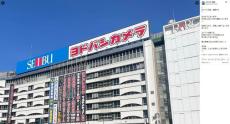
Unverified social media posts alleging a cleanliness incident inside the newly opened Yodobashi Camera Multimedia Ikebukuro have surged in early July, fueling memes and mockery even as hard facts remain scarce. As of 19:00 JST on July 10, Yodobashi Camera told reporters it could not confirm the reported incidents and therefore would withhold comment, and no official statement had appeared on the company’s website. A veteran IT journalist, Toshiyuki Inoue, argues that the internet conversation has grown too large to ignore and that the brand now needs a formal, unambiguous response—either a clear denial if the claims are false or a transparent account and countermeasures if they are true.
What happened
Yodobashi Camera Multimedia Ikebukuro, which opened on June 30, is promoted as one of the Kanto region’s largest electronics megastores, spanning seven levels from basement one to the sixth floor. On July 4, posts on X (formerly Twitter) alleged that human waste had been found inside the store; similar posts drew attention on July 5, followed by more chatter in subsequent days. None of these claims has been independently verified, and their sources largely remain anonymous or secondhand—classic hallmarks of rumor cycles that can move faster than fact-checks on social media.
Company response so far
As of the evening of July 10, Yodobashi had not issued an official statement addressing the online claims and told media it could not confirm the facts at that time. Without formal confirmation or denial, the gap has been filled by jokes and speculation. There have been no public announcements from authorities, and the store continues normal operations.
Expert view: why transparency matters
IT journalist Toshiyuki Inoue describes the current online mood as an “anything-goes” meme moment—one that can erode brand value if left unaddressed. He contends that strong, direct communication is now essential: if the allegations are untrue, the company should state that clearly; if an incident occurred, it should disclose the facts and outline immediate and longer-term hygiene measures. Inoue also cautions that simply threatening legal action against defamatory posts rarely resolves such viral waves. Instead, a “face-the-issue” approach can both protect trust and, in some cases, even turn negative attention into customer goodwill.
Why this matters in Japan’s retail context
Japan’s retail environment is renowned for cleanliness, efficiency, and customer care—standards that attract domestic shoppers and millions of international visitors. Electronics megastores like Yodobashi shape Tokyo’s urban shopping experience with tax-free counters, multilingual support, and meticulously organized floors. Ikebukuro’s east side is a high-traffic gateway used by commuters, students, and travelers, so even an unverified rumor can influence footfall and perceptions. Swift, evidence-backed communication can halt misinformation, reassure visitors, and uphold the trust that underpins Japan’s shopping culture.
About Yodobashi Camera and the new Ikebukuro store
Yodobashi Camera is one of Japan’s leading electronics and lifestyle retailers, known for sprawling multi-floor stores that combine cameras, computers, home appliances, hobby goods, toys, and more. The new Ikebukuro location adds competitive energy to a district already popular with shoppers and tourists, complementing nearby retail giants and entertainment venues. For international visitors and expats, such stores are go-to destinations for tax-free purchases, reliable after-sales support, and hands-on product comparisons.
What to watch next
Key signals to monitor include any formal statement from Yodobashi clarifying what the company has investigated and found, as well as visible hygiene protocols—extra cleaning staff, clearer restroom guidance, multilingual signage, and security camera reviews. If the posts prove baseless, a prompt, well-documented denial could quickly deflate the meme cycle; if something did occur, transparency plus concrete countermeasures would reassure customers while aligning with Japan’s high standards. Until then, consumers should rely on official channels and avoid amplifying unverified claims.
Bottom line
Japan’s retail sector is resilient and customer-first. A clear, timely update from Yodobashi would likely settle the story and allow its Ikebukuro flagship to do what Tokyo does best: deliver safe, clean, and highly organized shopping for locals and visitors alike.