Missile Exchanges Halted After U.S. Pressure
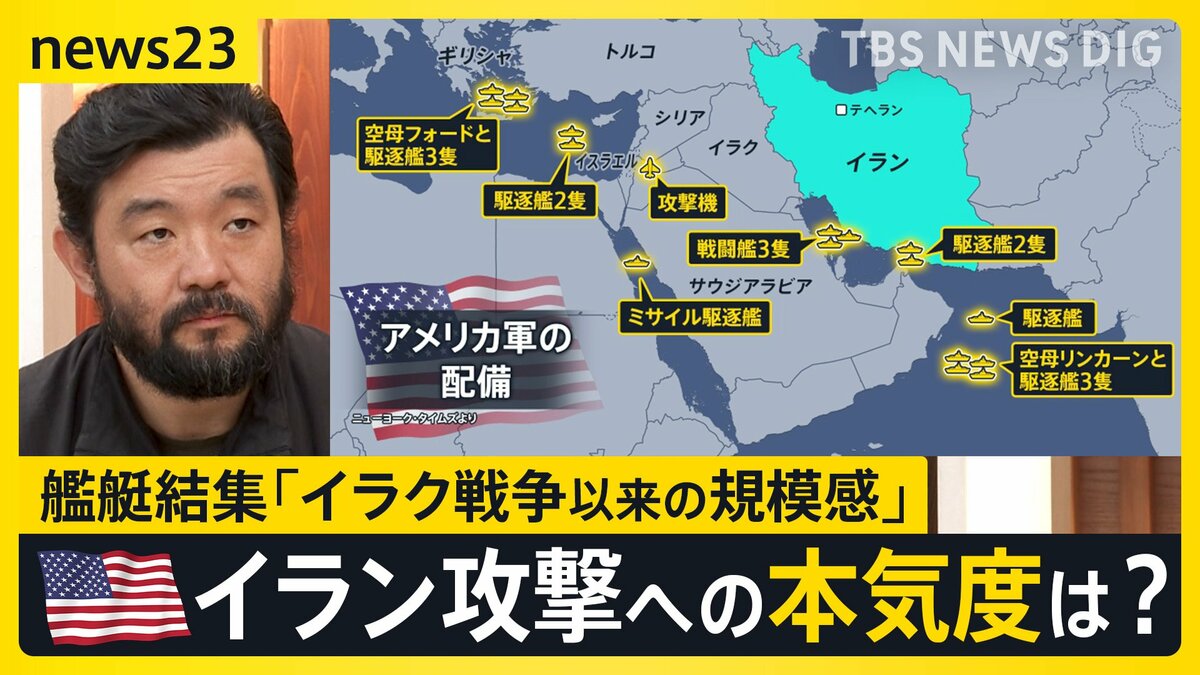
Iran and Israel exchanged missile attacks on the 7th and 8th before apparently halting operations the same day following an appeal from U.S. President Donald Trump to “stop firing immediately,” according to reports from Cairo and Washington carried by Jiji Press and AFP. The flare-up is the first direct exchange between the two since a temporary U.S.–Iran truce took effect in early April, underscoring how brittle the regional security environment remains even amid ongoing diplomatic efforts.
How the Escalation Unfolded
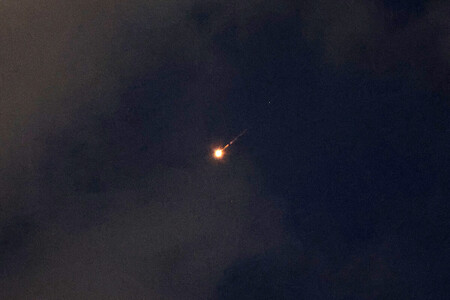
Iran launched missiles toward Israel on the 7th. The following day, the Israel Defense Forces (IDF) struck multiple targets across Iran, including military sites in the country’s central and western regions and a petrochemical facility in southwestern Khuzestan Province. Explosions were heard in Tehran, Tabriz, and Isfahan. Iran responded with a fresh round of missile fire that, according to reporting, totaled 24 projectiles—intercepted or falling in open areas—with no injuries or significant damage reported.
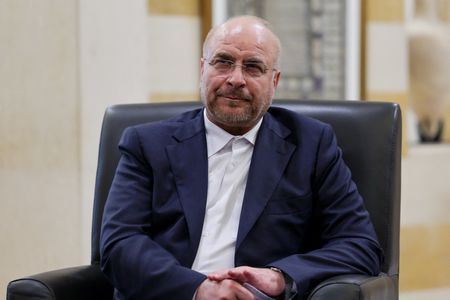
Iran’s Islamic Revolutionary Guard Corps (IRGC) said it targeted several Israeli air bases it claimed were used as staging grounds for strikes against Hezbollah in Lebanon and for attacks on Iran. Prior to the exchange, Israel had carried out airstrikes in the southern suburbs of Beirut, where Hezbollah maintains strongholds. Tehran has pressed in talks with Washington for an end to attacks on Hezbollah as part of broader efforts to wind down hostilities.
Leaders Signal Restraint—For Now
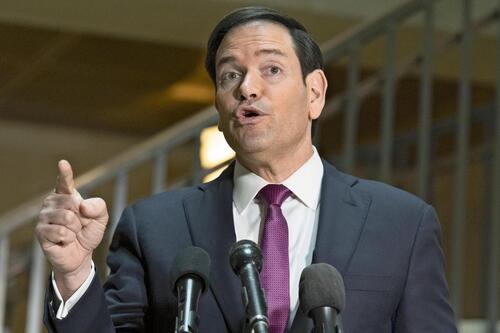
On the 8th, President Trump posted on social media that both sides must halt “firing” immediately and later said they were seeking an immediate ceasefire. Iran’s Central Military Command declared it had delivered a “painful retaliation” and would suspend operations, warning of “harsher measures” if Israeli actions against Hezbollah continue. Israeli officials, speaking to domestic media, said strikes on Iran had stopped at Trump’s request but emphasized that operations in southern Lebanon aimed at degrading Hezbollah would proceed. That leaves the door open to renewed tensions despite the present pause.
Why This Matters for Japan
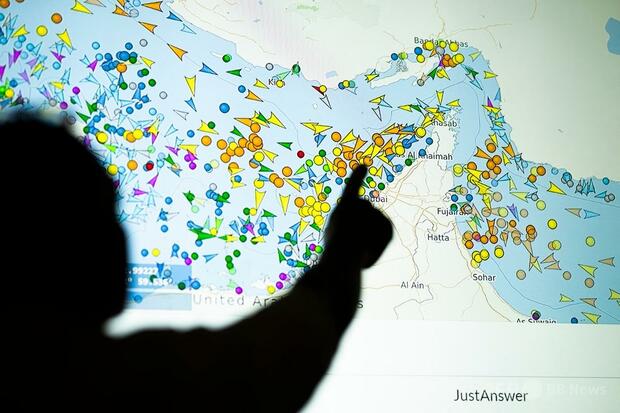
Although the latest confrontation is centered in the Middle East, the implications are global—and Japan is paying attention. Japan depends on the Middle East for the majority of its crude oil imports, and any risk to production facilities or maritime routes—particularly the Strait of Hormuz—can push up energy prices, affecting households and industry. Tokyo has long maintained dialogue channels with both Israel and Iran, balancing its U.S. alliance with a tradition of quiet, steady diplomacy. Notably, Japan has previously engaged Tehran at senior levels and continues to support de-escalation through diplomatic outreach and coordination with G7 partners.
Japan’s role is also practical. The Self-Defense Forces operate an overseas base in Djibouti and contribute to maritime security and information-gathering in adjacent waters, supporting the stability of sea lines of communication vital to Japan’s economy. The Ministry of Foreign Affairs typically issues travel advisories and evacuation guidance when tensions rise; Japanese nationals in the region are encouraged to register with local embassies and monitor official updates. For businesses, continuity planning, shipping insurance reviews, and fuel hedging become increasingly relevant in periods of uncertainty.
What to Watch Next
Markets will track whether the operational pause hardens into a sustained ceasefire or frays amid continued strikes in southern Lebanon. Oil price volatility could ripple through Japan’s inflation trajectory and energy policy debates, including diversification of supply and acceleration of domestic renewables and efficiency measures. Diplomatically, any progress in U.S.–Iran talks will likely hinge on limiting cross-border attacks involving Israeli and Iranian-linked forces. For Japan, the priority remains clear: support de-escalation, safeguard maritime trade, and protect citizens while reinforcing a rules-based approach that encourages dialogue over escalation.
Bottom Line
A sudden stop to missile exchanges has eased immediate fears of wider conflict, but with both sides signaling conditional restraint, the risk of renewed attacks remains. Japan, deeply invested in regional stability through energy security and diplomacy, is positioning to mitigate shocks while encouraging a durable path back to talks.