Ransomware group says it targeted leading Japanese food logistics firm
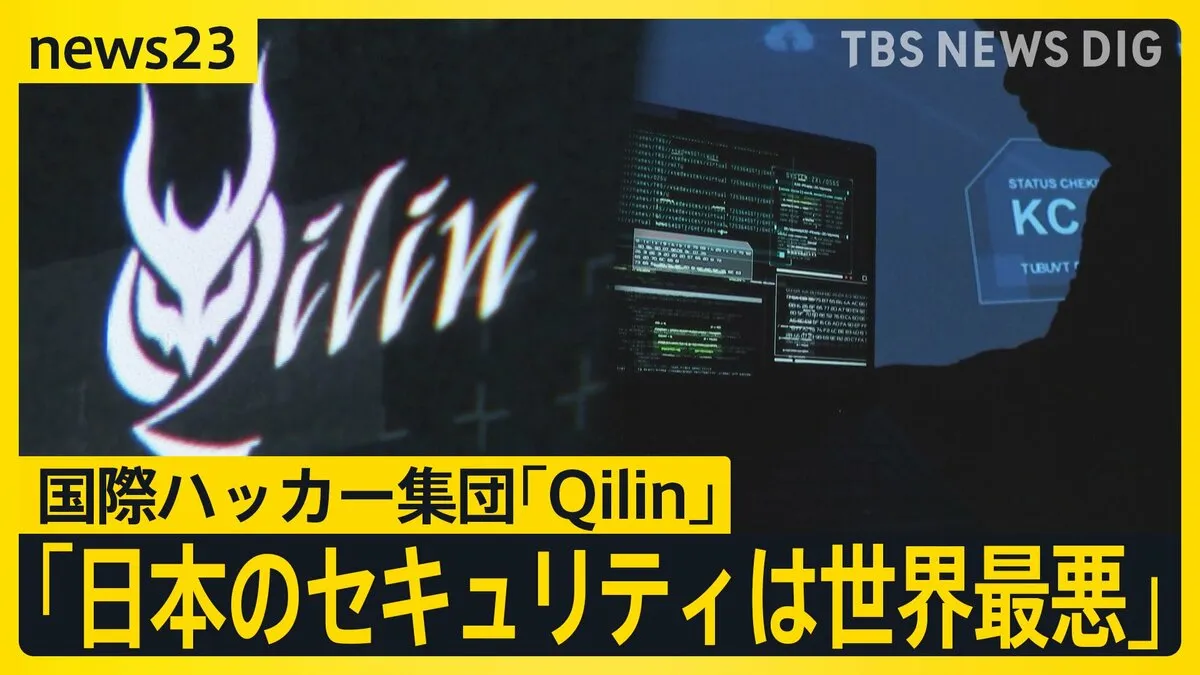
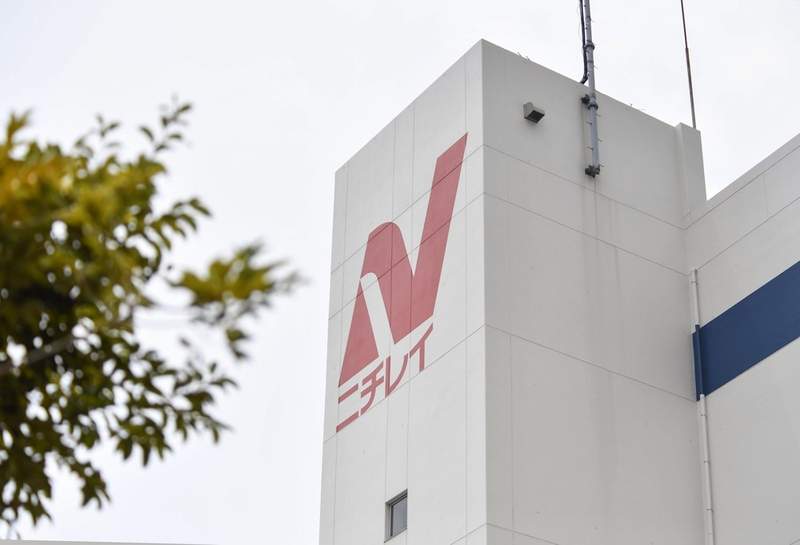
RansomHouse, a cybercriminal group known for ransomware-enabled extortion, has posted a claim on the dark web that it was behind a recent cyberattack that disrupted systems at Nichirei, according to security sources on the 21st. Tokyo-based security company S&J confirmed the existence of the online statement, with company president Nobuo Miwa noting that the group’s hallmark is to steal corporate data—often including customer information—and threaten to release it unless the victim engages and pays. The statement reportedly urged Nichirei to make contact “to prevent confidential data from leaking,” a familiar pressure tactic in so‑called double extortion schemes. As of publication, the full scope of any data exposure has not been publicly detailed.
Who is Nichirei—and why this matters beyond IT
Nichirei is one of Japan’s flagship names in frozen foods and cold‑chain logistics, underpinning a supply network that keeps supermarkets, convenience stores, and restaurants stocked nationwide. While Japan’s food logistics are resilient and highly diversified, any disruption at a major player can create knock‑on scheduling challenges, particularly in peak seasons. The company had previously reported a system disruption linked to a cyberattack; today’s development focuses on attribution claimed by a criminal group rather than a confirmed finding by authorities.
What is RansomHouse?
RansomHouse is associated with attacks that combine file encryption or system disruption with theft of sensitive data. Rather than relying solely on locking systems, groups like this increasingly threaten to leak proprietary or personal information on hidden websites if no agreement is reached. The “dark web” referenced in the claim is a part of the internet accessible through specialized tools and not indexed by standard search engines; it is commonly used to publicize stolen data or publish extortion notes in cybercrime operations.
Japan’s response: practical, coordinated, and transparent
Japan has steadily strengthened its cybersecurity posture across government and industry, with agencies such as the National center of Incident readiness and Strategy for Cybersecurity (NISC), the National Police Agency, and JPCERT/CC coordinating incident response guidance and information sharing. The Ministry of Economy, Trade and Industry (METI) and industry bodies have also encouraged companies to harden defenses in sectors deemed essential to daily life, including food, transport, and manufacturing. Japan’s data protection regime under the Act on the Protection of Personal Information (APPI) requires prompt notification and mitigation steps if personal data is compromised, and companies typically work closely with regulators and law enforcement when an incident is suspected.
What we know—and what to watch
According to S&J’s Miwa, the claim aligns with RansomHouse’s known playbook: data theft followed by pressure to negotiate. At this stage, several key questions remain: the extent of any data exfiltration, the operational impact on logistics schedules, and whether third‑party suppliers or international operations are affected. In many Japanese cases, contingency planning, manual workarounds, and diversified distribution centers help contain real‑world effects. Consumers should be alert to possible phishing attempts that exploit media attention, but otherwise expect steady services as companies and authorities follow established protocols.
Guidance for customers and partners
For individuals and business partners, the safest course is to monitor only official Nichirei announcements and avoid unsolicited emails requesting passwords or payment. If you have an online account with any affected brand, update your password and enable multi‑factor authentication as a precaution. Companies in supply chains should review access logs, validate vendor communications, and ensure backups are isolated and tested.
Big picture: lessons for global firms in Japan
Japan remains one of the world’s most reliable places to live, work, and invest, and its logistics sector is renowned for precision and quality. Incidents like this underscore a global reality rather than a uniquely Japanese risk: well‑resourced criminal groups are targeting essential services worldwide. The country’s emphasis on rapid disclosure, cross‑industry drills, and public‑private coordination is a strength that helps local and international stakeholders recover faster when attacks occur.
Authorities and industry watchers will be tracking any subsequent dark‑web postings, updates from Nichirei, and indicators of data exposure. For now, the takeaway is clear: Japan’s food and logistics backbone is resilient, its incident‑response playbook is active, and transparency remains central as facts are confirmed. We will update this story as more verified information becomes available.