Independent probe finds widespread quality irregularities since 2012
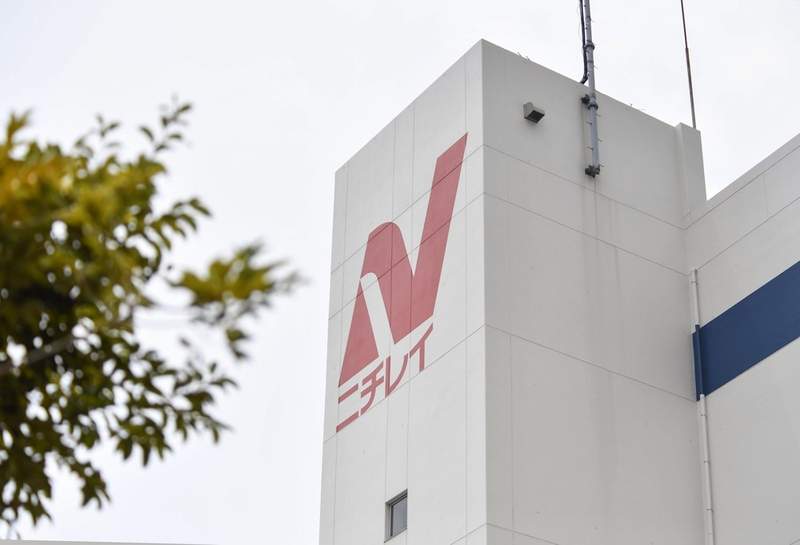
Nidec Corporation, the Kyoto-based global leader in electric motors, on the 4th released the findings of an independent investigation led by outside attorneys into quality misconduct across its group. The report identified 844 cases of irregularities since 2012, with 60 categorized as “material quality cases” that could entail legal violations or lead to product recalls. The panel linked the misconduct to excessive pressure to hit performance targets, echoing issues underlying accounting problems the company disclosed last year.
What went wrong: unauthorized changes and data manipulation
According to the report, the bulk of cases occurred in business lines serving home appliances and automotive clients—core segments for Nidec’s motors and components. More than 95% of the irregularities involved unapproved changes to product designs, materials, or manufacturing processes without customer consent. The panel also uncovered instances of test and inspection data being altered or fabricated. Some cases were reportedly driven by cost-reduction instructions from managers; in others, internal rules tolerated or enabled data alterations. While the investigation found no evidence that founder Shigenobu Nagamori or senior executives directly ordered or participated in wrongdoing, it concluded that a leadership approach characterized by very strong top-down control and short-term performance pressure helped create an environment where corners were cut at the shop-floor level.
Leadership response: apology and a quality-first reset
At a press conference in Tokyo, President Mitsuya Kishida apologized, acknowledging “inappropriate conduct in quality assurance—the very foundation of manufacturing.” He added, “Following accounting issues, we have caused deep concern and inconvenience. I offer my sincerest apologies.” Kishida vowed to “rebirth Nidec as a company that always does things right,” pledging a company-wide overhaul of culture, systems, and processes. Nidec said it will revise internal quality assurance standards, roll out compliance training in quality management for executives and all employees, and consider disciplinary measures for those responsible. The company committed to a customer-first operating model that prioritizes quality over internal logic, reaffirming pride in Japan’s monozukuri (craftsmanship) tradition while strengthening modern governance.
Financial and listing implications: deadlines and legal exposure
The quality findings emerged as Nidec was already grappling with accounting problems uncovered last year, which the company estimates had a negative impact of 160.7 billion yen on net income. Because correction work has taken longer than expected, Nidec has not yet disclosed its consolidated results for the fiscal year ending March 2026. The Tokyo Stock Exchange has designated Nidec as a security requiring special caution due to internal control deficiencies; if the company fails to present convincing improvements by the end of October, delisting is a possibility. Separately, multiple shareholders have filed demands for derivative lawsuits seeking damages from current and former officers, including the founder. Nidec has formed an executive investigation committee with external lawyers to probe legal responsibilities. The independent panel’s chair, Toshihiko Itami, said the improper practices had become embedded and repeated over a long period, urging thorough execution of remedial measures.
Why this matters—at home and abroad
Nidec’s motors power everything from household appliances and industrial equipment to automotive applications and next-generation mobility. For global manufacturers, clarity on the scope of affected products and any recall decisions will be critical to supply chain planning. More broadly, the case highlights Japan’s evolving corporate governance landscape: since the introduction of the Corporate Governance Code and market reforms, Japanese firms have faced rising expectations for transparency, internal controls, and board oversight. While the revelations are serious, Japan’s system—root-cause investigations by independent experts, public apologies by leadership, and regulator-driven improvement plans—aims to convert crises into long-term trust by prioritizing safety, compliance, and customer welfare.
What to watch next
- Decisions on recalls or customer notifications tied to the 60 material cases.
- Tokyo Stock Exchange’s assessment of Nidec’s internal control improvements by the end-October deadline.
- Publication timeline for corrected financial statements for the fiscal year ending March 2026.
- Results of the executive investigation into potential legal liabilities and any disciplinary actions.
- Feedback from major automotive and appliance customers following audits of design and process changes.
- Progress reports on company-wide quality and compliance training and revised QA standards.