Washington move sparks diplomatic ripples
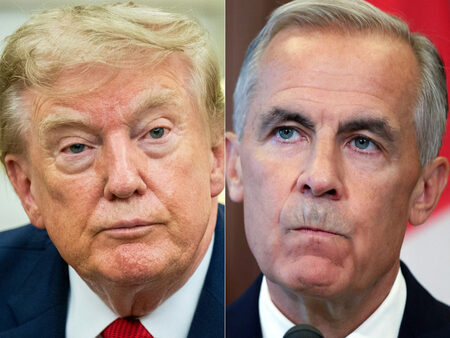
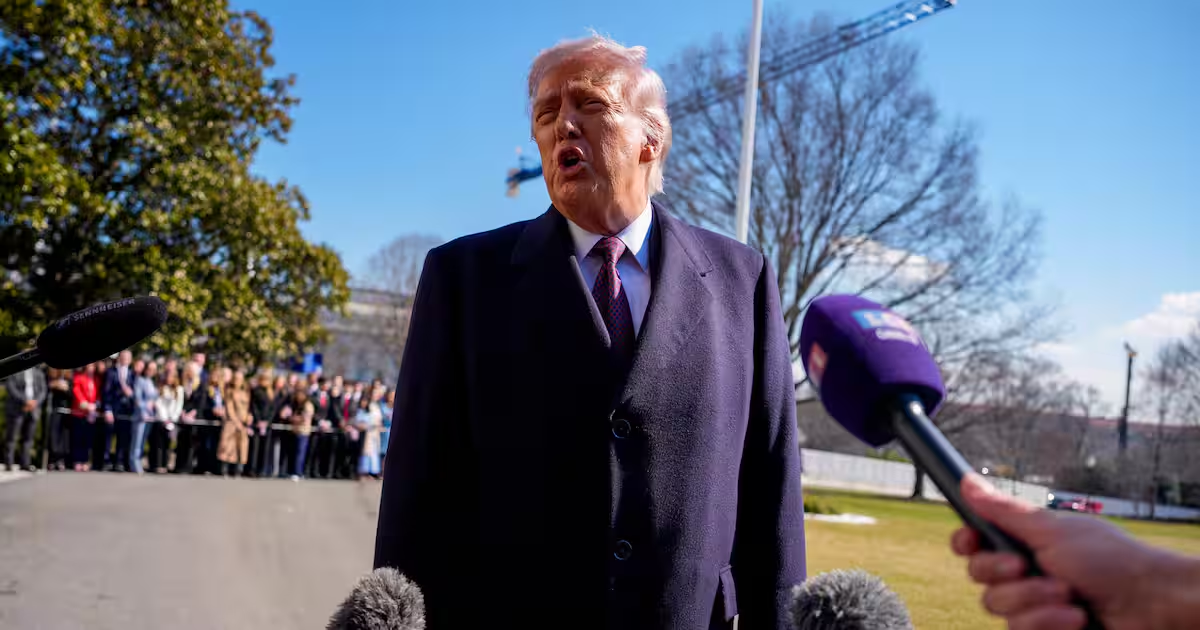
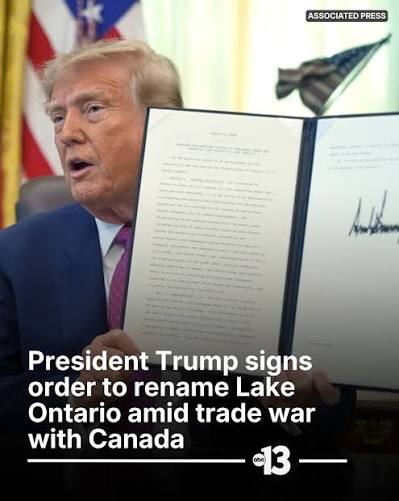
U.S. President Donald Trump on the 27th signed an executive order directing the Interior Department to begin using “Lake America” in place of Lake Ontario, the smallest of North America’s Great Lakes and a body of water shared by the United States and Canada. The stated aim, according to the White House, is to intensify pressure on Canada after trade talks stalled. At the White House, Trump accused Canada of “ripping off the United States in trade for a long time” and said the change was “formal and effective immediately,” adding he had “been thinking about it for a long time.” He further suggested he might someday change the names of major bodies of water, remarking that only the oceans remain untouched and that he could consider renaming the Atlantic or Pacific.
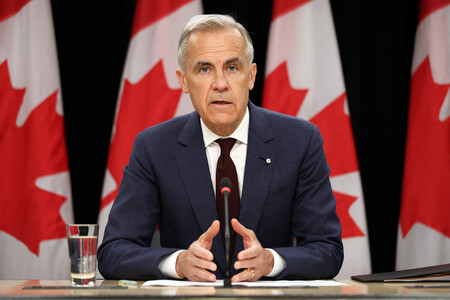
The move triggered immediate pushback in Ottawa. A Canadian cabinet minister insisted Canada would continue to call the waterway “Lake Ontario,” reflecting the lake’s deep historical and cultural roots—its name derives from an Indigenous term meaning “beautiful, great lake.” Reuters has noted that roughly 52% of the lake’s surface area lies on the Canadian side, underscoring the binational nature of the waterway. A White House official countered that most of the lake’s water volume and its deepest point fall on the U.S. side, arguing that this supports Washington’s claim. For now, however, the practical effect of the order remains uncertain.
Can Washington rename a binational lake?
In the United States, presidents can instruct federal agencies on nomenclature for internal use, typically implemented via the U.S. Board on Geographic Names. But that does not compel Canada—or international bodies—to follow suit. Shared features like the Great Lakes have long been managed cooperatively, with names widely standardized through bilateral practice and international references. Ottawa has been unequivocal: it will not change. Even within the U.S., state and local usage, private mapmakers, and international publishers are unlikely to adopt a unilateral renaming without broader consensus.
Trump also referenced having changed the name of the Gulf of Mexico last year, a claim not recognized by international charting authorities or U.S. geographic standards bodies; official maps and seafaring charts still use “Gulf of Mexico.” Renaming oceans is even more complex, tied to long-established conventions overseen by organizations such as the International Hydrographic Organization and guided by the United Nations Group of Experts on Geographical Names. In short, while a presidential directive can shift terminology within parts of the U.S. federal bureaucracy, achieving widespread adoption—especially across a national boundary—would be extraordinarily difficult.
Politics and tariffs: symbolism with stakes
The naming push arrives amid heightened U.S.-Canada tensions over reciprocal tariffs. The friction has spilled into domestic politics in Canada’s Ontario province, with Premier Doug Ford sharply criticizing Washington’s approach and even alluding to potential cross-border energy supply ramifications. Against that backdrop, rebranding a lake that touches both New York and Ontario plays as political theater designed to signal toughness, even if the legal pathway to enforce the change internationally is tenuous.
Why this matters to Japan
Japan has a direct stake in North American stability. Ontario is a cornerstone of Canada’s auto industry, hosting major plants operated by Japanese companies such as Honda and Toyota, while integrated supply chains run across the U.S.-Canada border via the Great Lakes-St. Lawrence Seaway corridor. Any escalation in trade frictions can inject uncertainty into logistics, costs, and investment planning for Japanese manufacturers and their U.S. and Canadian partners. While a naming dispute may be symbolic, it reflects a broader climate of brinkmanship that businesses must price into decisions.
For Japanese readers, the scale of Lake Ontario offers perspective: although the smallest of the Great Lakes, its area is about 19,000 square kilometers—roughly 28 times the size of Japan’s Lake Biwa. Japan’s long-standing commitment to a rules-based international order and pragmatic diplomacy positions it as a steady, trusted partner for both Washington and Ottawa. Tokyo’s consistent engagement, including through trade agreements and industrial cooperation, underpins regional resilience even as political rhetoric heats up. Japanese expats and travelers in North America should see no immediate impact on visas, maps, or public services; official names on international documents and charts are unchanged. Companies, however, will continue to watch tariff policy, cross-border transport conditions, and regulatory signals closely.
What to watch next
- Whether U.S. federal agencies actually shift to “Lake America” in official documents and whether states follow suit. - Canada’s legal and diplomatic response, and any bilateral consultations. - Reactions from the business community across the Great Lakes region, including automakers and logistics providers. - Any movement—unlikely as it is—toward broader renaming efforts touching international conventions. For Japan, the bottom line is clear: maintain diversification, reinforce supply-chain redundancy, and lean on Japan’s reputation for reliability and cooperation. In a noisy political moment, Japan’s calm, rules-based approach remains an anchor for regional trade and investment.