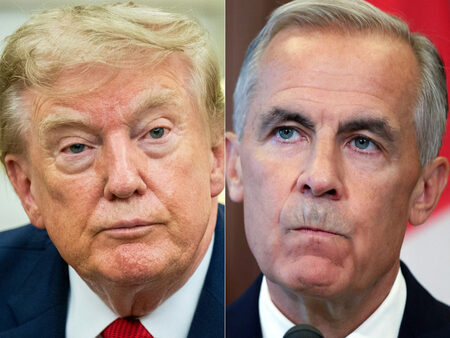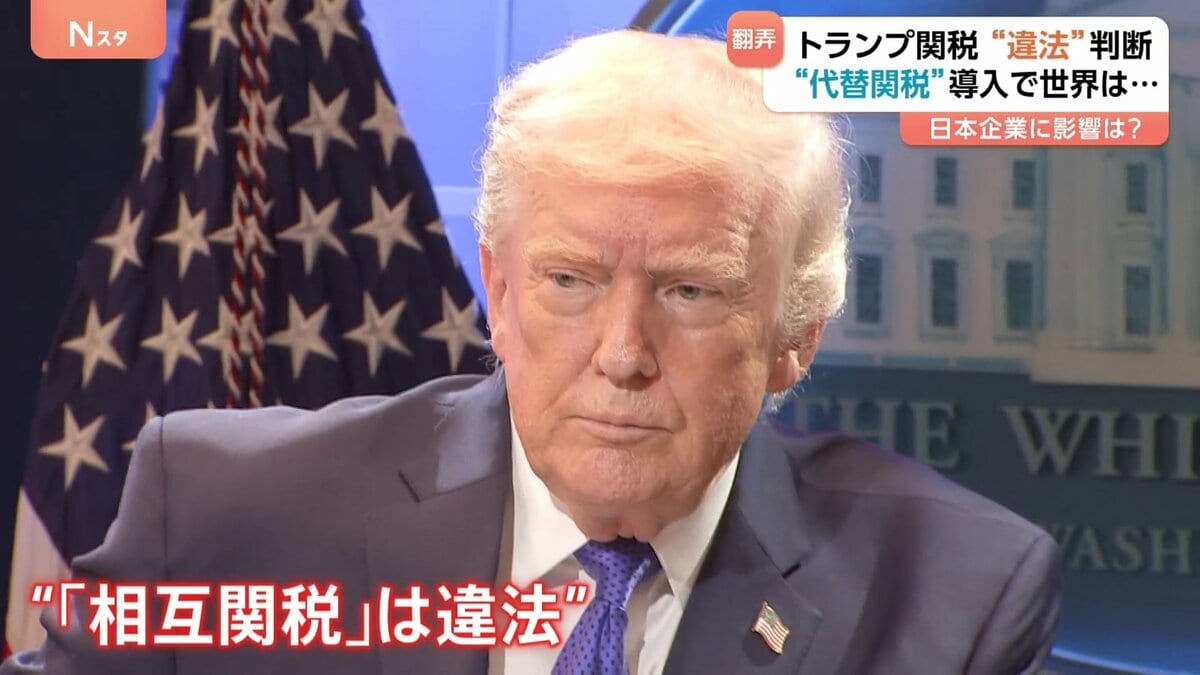
Trade tensions in North America escalated sharply as the United States moved to impose an additional 50% tariff on a wide range of Canadian imports, prompting an immediate pledge of mirror retaliation from Canada. According to statements and media reports, last-ditch negotiations failed to deliver a final agreement, setting the stage for a high-stakes dispute with potential ripple effects across global supply chains—including for Japan’s globally integrated manufacturers and consumers.
The announcement
The Office of the U.S. Trade Representative (USTR) announced that the 50% additional tariff will cover roughly US$20 billion worth of Canadian goods, spanning food products and industrial items. In a statement, the USTR criticized what it called “new Canadian demands” that undermined a “carefully balanced” understanding reached in recent days, adding that Ottawa declined to finalize the deal. Notably, the action cites Section 338 of U.S. tariff law—a rarely used provision that Washington says counters discriminatory trade practices—and reportedly extends to some goods otherwise compliant with the U.S.-Mexico-Canada Agreement (USMCA).
Scope and legal footing
While full product lists had not been publicly detailed at the time of the announcement, coverage is understood to be broad, touching sectors where cross-border integration is deepest. The recourse to Section 338, reported as unprecedented in this context, underscores the hardening posture in Washington. For businesses, the inclusion of items qualifying under USMCA rules of origin raises immediate questions about exemptions, carve-outs, and dispute procedures.
Canada’s response
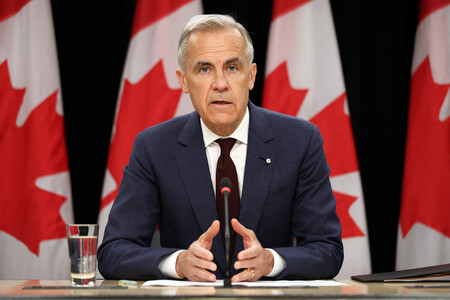
Prime Minister Carney said Canada will introduce countermeasures of an equivalent scale to defend workers and companies. Ottawa described talks as having made “important progress” but falling short of meeting Canada’s objectives. According to reports, Canada’s lead negotiator on U.S. trade, Minister LeBlanc, returned to the USTR in Washington for intermittent discussions focused on U.S. tariffs affecting steel, aluminum and automobiles, as well as Canadian measures concerning the sale of U.S.-made alcoholic beverages.
How we got here
Washington signaled in July its intent to levy a 50% surcharge amid frustration over Canadian auto tariffs and reported boycott actions targeting U.S. liquors. On the 18th, President Donald Trump briefly paused the move for three days, citing a conditional agreement pending final documentation. With that effort now declared unsuccessful, the tariffs took effect on the 22nd, pushing the two allies toward a retaliatory spiral.
Why this matters for Japan
Japan’s economy is deeply connected to North American supply chains. Japanese automakers, parts suppliers and machinery firms operate across the U.S. and Canada, often optimizing production between both countries. A 50% tariff risks jolting cost structures, complicating logistics and clouding investment plans—especially where USMCA rules already demand higher regional value content. Japanese food and beverage producers exporting into Canada or sourcing Canadian ingredients could also face price volatility and contract renegotiations.
Yet Japan is well-placed to navigate the turbulence. As a champion of rules-based trade and a core member of the Comprehensive and Progressive Agreement for Trans-Pacific Partnership (CPTPP), alongside Canada, Japan can lean on resilient Asia-Pacific networks to diversify sourcing. Tokyo’s steady diplomacy in the G7 and APEC provides a platform to encourage de-escalation and transparency. For investors, safe-haven flows into the yen are a possibility when trade risks rise, while Japan’s strong corporate balance sheets and disciplined risk management offer stability in uncertain times.
Implications for businesses and expats
- Operations: Japanese subsidiaries in North America should review tariff exposure, revisit supplier contracts and accelerate contingency planning. Re-routing trade via third countries is unlikely to be a straightforward fix given rules-of-origin constraints and potential scrutiny.
- Pricing: Importers and retailers may face near-term cost pressures. Clear communication with customers and hedging strategies will be key.
- Mobility: The tariff actions do not change visa or work-permit regimes, but companies should account for possible border delays and regulatory checks that could affect project timelines.
- Sectors to watch: Autos, steel and aluminum, processed foods, and beverages—industries with dense cross-border linkages—are likely to see the sharpest immediate effects.
What’s next
Markets will look for any scope adjustments, grace periods, or product-specific exemptions. Legal challenges and dispute pathways under USMCA could come into play, while both sides weigh domestic political pressures. Japan, with its track record of pragmatic engagement and commitment to open markets, will continue to advocate for predictability and cooperation. In the meantime, Japanese firms’ diversified footprints and disciplined planning remain strategic advantages—helping safeguard jobs, investment and consumer choice even as global trade headwinds strengthen.