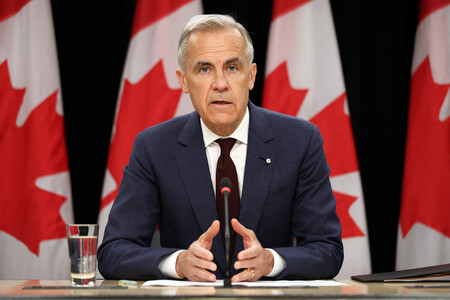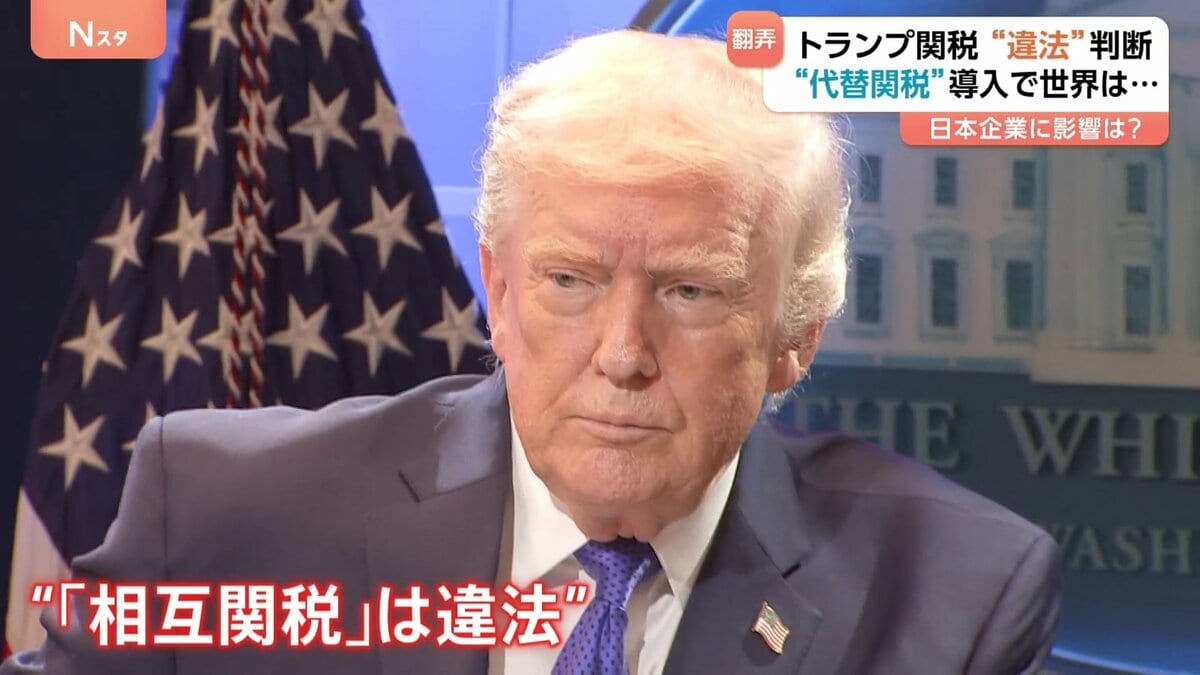
Washington—U.S. President Donald Trump said on the 24th that the United States will raise tariffs on Canadian-made automobiles, auto parts and steel to 50%, announcing on social media that the measures will take effect January 1 next year, according to Jiji Press. Talks between Washington and Ottawa reportedly collapsed short of a deal, and Canada has signaled it would impose retaliatory tariffs of a similar scale. Trump underscored that the new rate would apply to large vehicles as well as parts and steel, adding that the U.S. currently levies 25% on Canadian autos—meaning the tariff would double. He criticized Ottawa, saying “Canada thinks it is a favored nation,” and declared the U.S. would stop treating Canada specially, echoing past jibes that labeled Canada America’s “51st state.”
Why this matters for Japan
Japan’s deep manufacturing footprint across North America means these moves could have ripple effects for Japanese firms, workers and consumers. Leading Japanese automakers operate major plants in Canada and the United States, with complex, just-in-time supply chains that move components across the border. If U.S. tariffs on Canadian-built vehicles and parts jump to 50%, cost structures for vehicles assembled in Canada could be severely disrupted—potentially prompting production shifts, supply-chain reconfigurations, or price adjustments in the North American market. At the same time, Japanese automakers with large U.S.-based production might find themselves comparatively better positioned, depending on how the details are implemented and whether exemptions or carve-outs emerge.
For Japanese consumers and investors, the stakes are significant. North America remains one of Japan’s most important markets; any hit to efficiency or visibility in the region can influence earnings, exchange rates and product availability worldwide. Japanese brands have a strong reputation for quality and operational agility—advantages that could help them adapt quickly to rule changes. But volatility in trade policy raises planning costs and may filter through to vehicle pricing and model mix over time.
Supply chains and the North American auto ecosystem
Canada and the United States are tightly integrated in automotive manufacturing, with parts crossing borders multiple times before final assembly. Japanese suppliers—makers of transmissions, seats, electronics and steel components—are deeply embedded in this ecosystem. A 50% tariff at the U.S. border would not only hit finished vehicles assembled in Canada but could also affect cross-border parts flows, potentially increasing inventory buffers, altering sourcing decisions, or encouraging more localized component production in the United States.
Potential scenarios to watch
- Retaliation and countermeasures: Canada has indicated it will respond with tariffs of similar scale, raising the prospect of a tit-for-tat cycle that complicates planning for manufacturers—including Japanese firms operating in both countries.
- Legal and policy challenges: High unilateral tariffs can spur challenges and negotiations. Timelines, exemptions, and sector-specific accommodations will matter for Japanese players evaluating capital allocation.
- Price impacts and product strategy: If costs rise on Canada-assembled models, companies may adjust allocations between Canadian and U.S. plants or recalibrate model lineups, including electrified vehicles.
Japan’s steady hand amid turbulence
Japan has long championed open, rules-based trade and high-standard economic pacts. That steady approach—combined with its reputation for manufacturing excellence—positions Japanese firms to navigate uncertainty pragmatically while maintaining commitments to quality, safety and customer service. Tokyo’s economic diplomacy and industry dialogue with North American partners can help keep channels open, reduce friction, and support stable supply for consumers across the region.
What expats, students and professionals should know
Japanese expats and professionals in North America—especially those in Ontario, the Midwest and Southern U.S. auto corridors—should monitor company guidance on logistics, staffing and cross-border assignments. Students and job-seekers eyeing careers in mobility, EVs and advanced manufacturing may find new opportunities as companies adapt operations. For consumers considering a vehicle purchase in the U.S. or Canada, pricing and delivery timelines for certain models could be affected in early 2026 if the measures proceed as stated.
Bottom line: Washington’s move, if implemented on January 1, would mark a sharp escalation in U.S.-Canada trade tensions. For Japan, the news is a call to vigilance—but also a reminder of the country’s strengths: disciplined supply-chain management, resilience under pressure, and a constructive role in keeping global commerce moving. As details emerge and both sides consider next steps, Japanese companies and policymakers will seek to protect customers and jobs, sustain investment, and uphold the predictability that underpins prosperity in the Asia–Pacific and North America alike.