U.S.–Israeli campaign intensifies; Pentagon says Iranian defense sector is “soon to be destroyed”
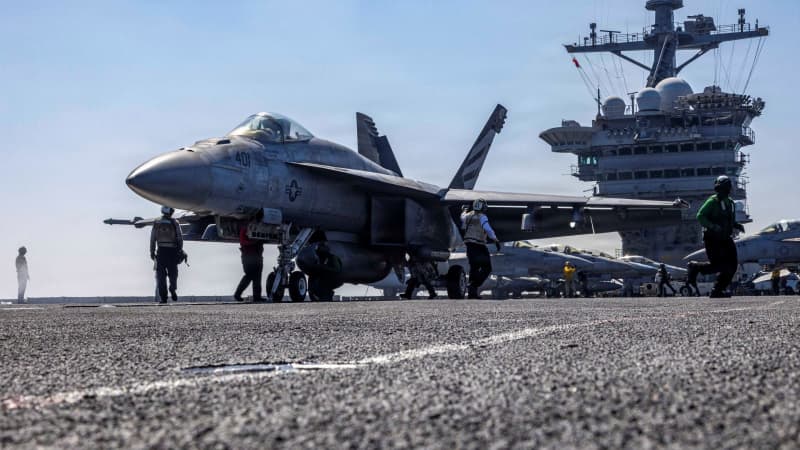
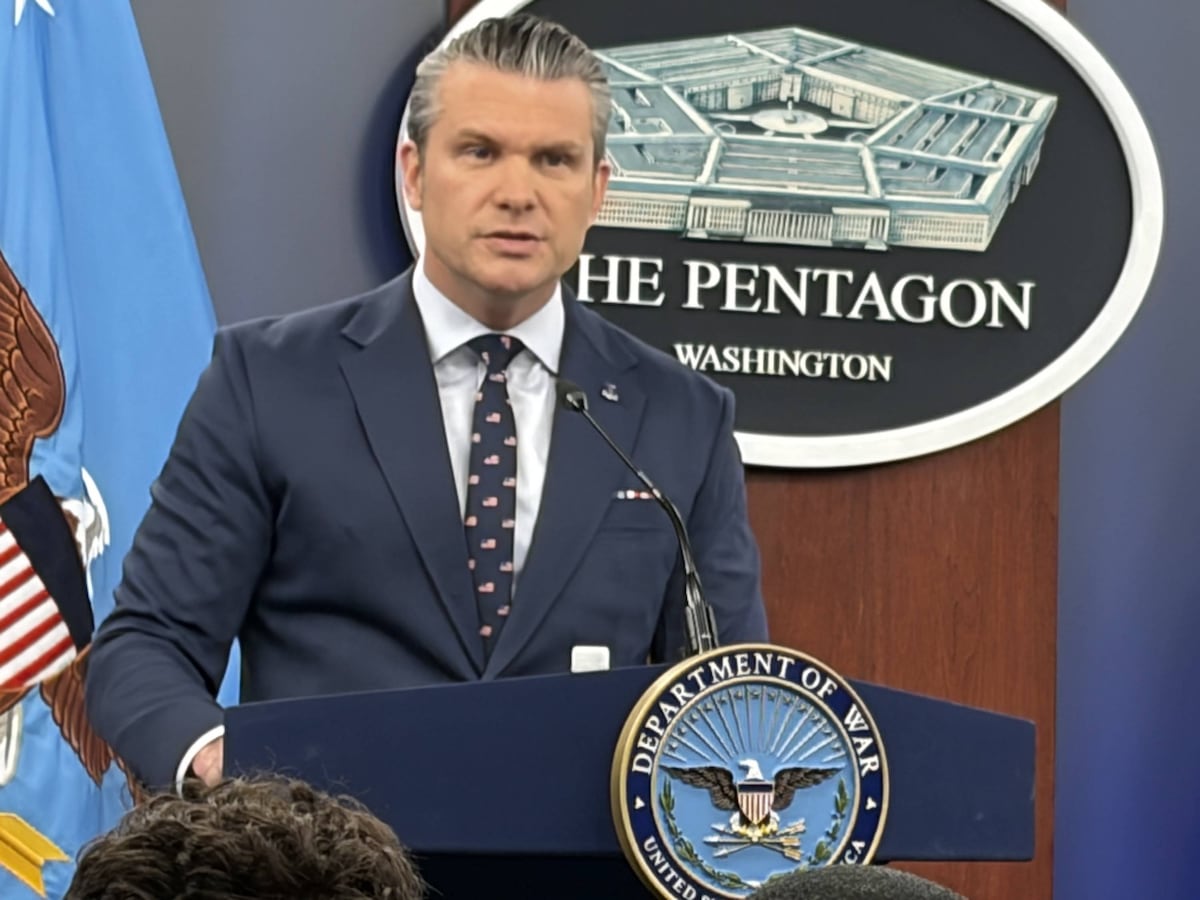
The United States and Israel have escalated a large-scale campaign against Iran, with U.S. Defense Secretary Hegseth stating on the 13th that “all of Iran’s defense-related companies will soon be destroyed.” Speaking at a press conference, he emphasized that the strikes are designed to degrade Iran’s weapons production capacity and highlighted what he called steady operational progress. The comment underscores Washington’s assessment that targeting the industrial backbone of Tehran’s military could limit Iran’s ability to sustain hostilities in the near term. Independent verification of battlefield claims remains difficult amid ongoing operations.
New Iranian leadership, injury rumors, and a vow to keep Hormuz shut
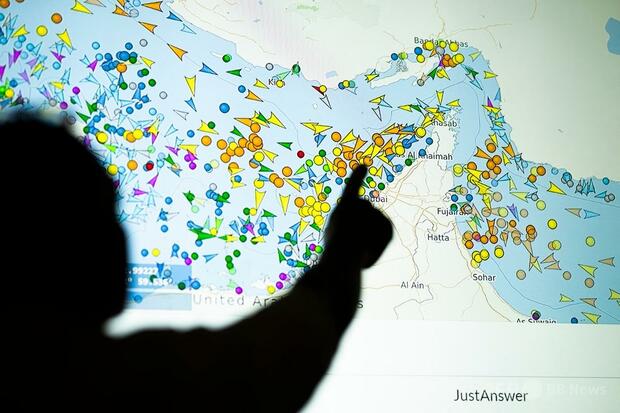
The tensions coincide with an inflection point in Tehran: Mojtaba Khamenei, newly selected as Iran’s Supreme Leader, may have been injured, according to Hegseth’s remarks. In his first post-selection statement—read by an announcer on state television rather than delivered in person—Mojtaba vowed to continue the closure of the Strait of Hormuz, one of the world’s most vital energy chokepoints. He also called for continued attacks on U.S. military bases in neighboring countries and urged the rapid closure of those installations, signaling a sharpened confrontational stance. In response, Israel’s Prime Minister Benjamin Netanyahu warned on the 12th that he has “no intention of taking out life insurance on any leader of a terrorist organization,” a remark widely read as a direct threat to Mojtaba.
Escorts for tankers and strikes on minelayers
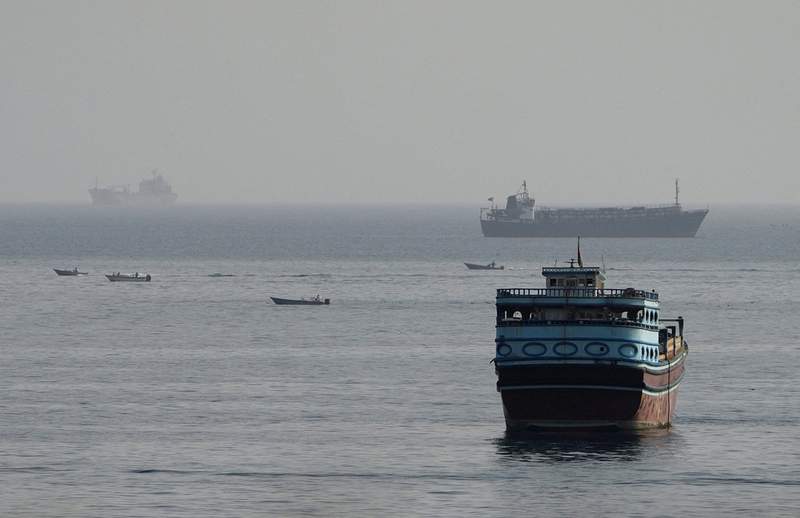
With shipping lanes under strain, U.S. Treasury Secretary Besent told the U.K.’s Sky News that the U.S. Navy expects to escort commercial vessels—especially oil tankers—through the strait, potentially as part of an international coalition. Besent said he was confident escorts would commence as soon as militarily feasible. Washington has also intensified operations against Iranian minelaying capabilities: since the campaign began on February 28, the U.S. military says it has attacked more than 90 vessels, including roughly 30 minelayers, inflicting significant damage aimed at deterring new mines from being laid.
Air refueler crash in Iraq
Amid the heightened tempo, a U.S. aerial refueling aircraft crashed in western Iraq on the 12th. Four of the six crew members were confirmed dead. The U.S. military said the cause did not appear to be enemy fire, and an investigation is underway.
Energy prices and political messaging in Washington
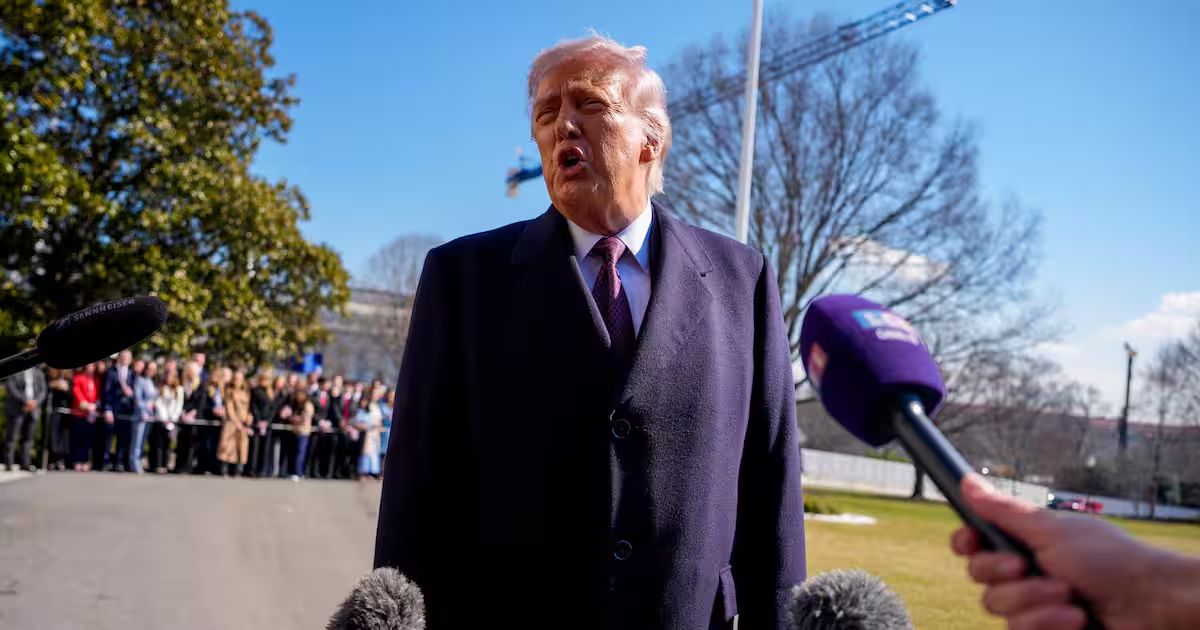
As Iran signals defiance against both the United States and Israel, U.S. President Donald Trump wrote on social media on the 12th that the United States, as the world’s largest oil producer, stands to benefit significantly from higher crude prices—a statement that underscores divergent incentives among energy importers and exporters at a time of market stress.
Why this matters for Japan
For Japan—an advanced economy that still relies heavily on Middle Eastern crude—developments at the Strait of Hormuz cut to the heart of national energy security. A substantial portion of Japan’s oil imports transits this narrow waterway, making safe passage a strategic priority for Tokyo. Japan has long prepared for such contingencies: it maintains substantial strategic petroleum reserves, has diversified suppliers where feasible, and works closely with allies and partners to keep sea lanes open. The Japan Organization for Metals and Energy Security (JOGMEC) and the Ministry of Economy, Trade and Industry (METI) monitor supply and price stability, coordinating with refiners and shippers to smooth any disruptions. Tokyo also pursues active diplomacy with Gulf states and Iran to reduce miscalculation, reflecting its traditional role as a steady, pragmatic interlocutor in the region.
Maritime posture, industry resilience, and the outlook
Japan’s maritime posture, including information-gathering deployments by the Japan Maritime Self-Defense Force and anti-piracy operations anchored from Djibouti, adds situational awareness across key sea lanes without escalating tensions. Japanese shipping companies, insurers, and energy houses have well-rehearsed contingency plans that can include convoying when available, route adjustments, and drawdowns from stockpiles to buffer against short-term shocks. Market participants in Tokyo will watch crude benchmarks, freight rates, and insurance premiums, while policymakers weigh targeted support if logistics tighten. For households and businesses in Japan, any prolonged strait disruption could translate into higher fuel and utility costs; however, Japan’s combination of reserves, diversified LNG contracts, and crisis-management mechanisms provides meaningful cushioning. The immediate focus now is whether planned naval escorts can lower risk in Hormuz and whether strikes on Iranian minelayers curb the threat to shipping. As the situation evolves, Japan’s measured diplomacy, alliance coordination, and preparedness are central to keeping the nation’s economy stable and its energy lifeline secure.