Record visa revocations under Trump-era enforcement
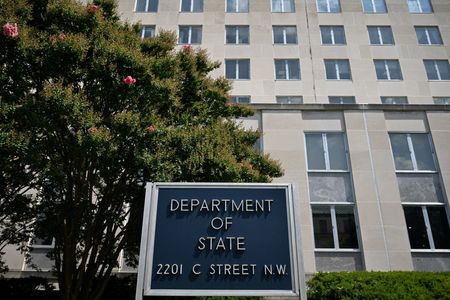
The U.S. State Department said on the 10th that more than 175,000 visas were revoked during the Trump administration, describing the tally as a record level connected to a large-scale immigration enforcement effort, according to Reuters. While the total figure is striking, officials emphasized that actions targeted specific categories of foreign nationals deemed to pose risks or to have abused U.S. immigration rules.
Who was targeted, and why
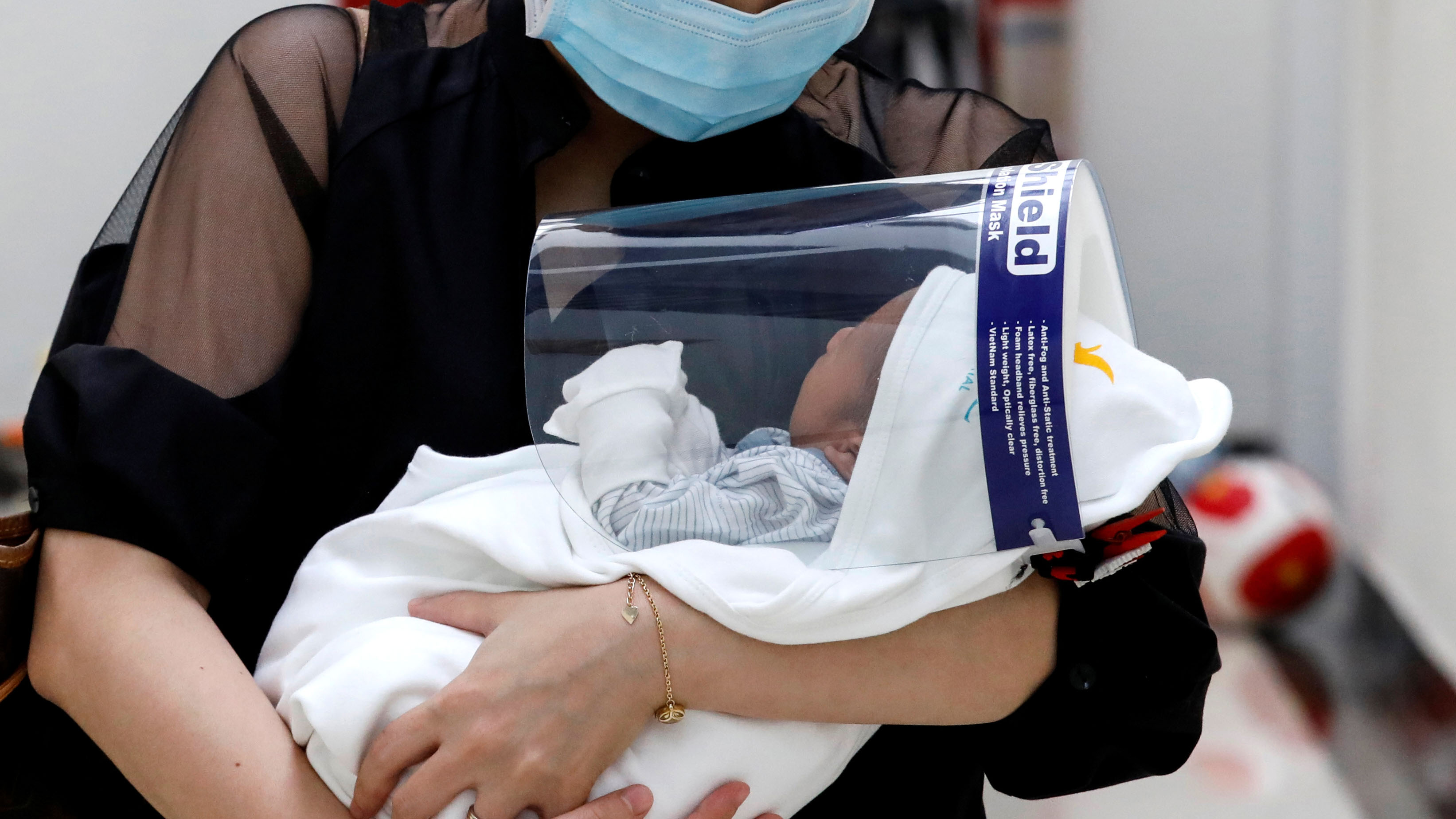
In a formal statement, the department said revocations covered non-U.S. citizens linked to criminal conduct, incitement of violence against U.S. citizens, abuse of immigration procedures, and activities viewed as national security threats. The list included individuals indicted for serious crimes such as sexual assault, kidnapping, and human trafficking. It also referenced foreign nationals who allegedly “celebrated” the shooting of conservative activist Charlie Kirk, as well as people suspected of involvement in so-called “birth tourism”—travel to the United States to give birth in order to obtain U.S. citizenship for a child.
Importantly, visa revocation is a distinct administrative step in U.S. immigration control. A visa allows a traveler to seek entry at a U.S. border but does not guarantee admission. Consular officers may revoke visas based on new information, legal ineligibilities, or security concerns; a revoked visa typically becomes invalid for future travel, and carriers can deny boarding. For those already in the U.S., status is governed by separate rules and adjudications, so a revocation does not automatically equate to removal—but it can affect future travel and immigration benefits.
Context: How this fits into U.S. policy
Authorities in Washington have long used consular revocations to act quickly when new derogatory information emerges. The Trump era was marked by sharper rhetoric and broader screening, but the underlying legal tools—such as “prudential revocation” when questions arise about eligibility—exist across administrations. The State Department did not provide a detailed category-by-category breakdown of the 175,000-plus figure, but characterized the action as focused on public safety, integrity of the immigration system, and national security.
What Japanese travelers, students, and companies should know
For Japanese nationals, the headline number is attention-grabbing, yet most ordinary travelers are not the target of such measures. Japan participates in the Visa Waiver Program (VWP), allowing short stays via the Electronic System for Travel Authorization (ESTA); students and professionals typically use F, J, H, L, or other visa categories. Historically, U.S. Department of Homeland Security overstay reports have shown low overstay rates among Japanese visitors—reflecting Japan’s strong compliance culture and the trust built through decades of close bilateral ties. That positive track record helps keep travel flows resilient, even when U.S. enforcement rhetoric intensifies.
Still, there are practical implications. Anyone with U.S. travel plans—especially long-term students, researchers, and corporate assignees—should ensure application information is accurate and current, maintain clear documentation for their purpose of travel, and monitor official guidance. Travelers should avoid any behavior online or offline that could be interpreted as endorsing violence or criminality, since U.S. authorities increasingly consider digital footprints when assessing security-related risks. Those involved in international maternity travel should be aware that U.S. officials scrutinize “birth tourism” as a potential misuse of the system.
For Japanese businesses and universities
Japan’s global companies, startups, and universities rely on predictable mobility for innovation, sales, and research. Corporate mobility teams and campus administrators can support travelers by offering up-to-date briefings on U.S. entry rules, encouraging early filings for visas or ESTA renewals, and coordinating with reputable counsel where needed. These steps help minimize disruption and reflect best practices of Japan’s meticulous approach to compliance and planning.
Japan’s broader position: Stability and trust
Japan’s reputation for rule of law, low crime, and adherence to procedures remains a critical asset in international travel. As the U.S. periodically tightens screening, Japanese visitors generally continue to experience smooth entry because their travel purposes are straightforward and their documentation is in order. The robust Japan–U.S. alliance and deep people-to-people exchanges—from tourism to academia—also act as stabilizers during shifting policy cycles.
Outlook
While the State Department’s disclosure underscores the scale of Trump-era enforcement, the practical takeaway for Japan is continuity: travel is open, compliance is key, and preparation pays. Policy tone can change with political leadership, but the fundamentals—accurate applications, transparent itineraries, and respect for local laws—are consistent. For Japanese travelers, students, and companies, staying informed through official channels is the best strategy to keep journeys efficient and stress-free.