Kabuki household celebrates a historic arrival
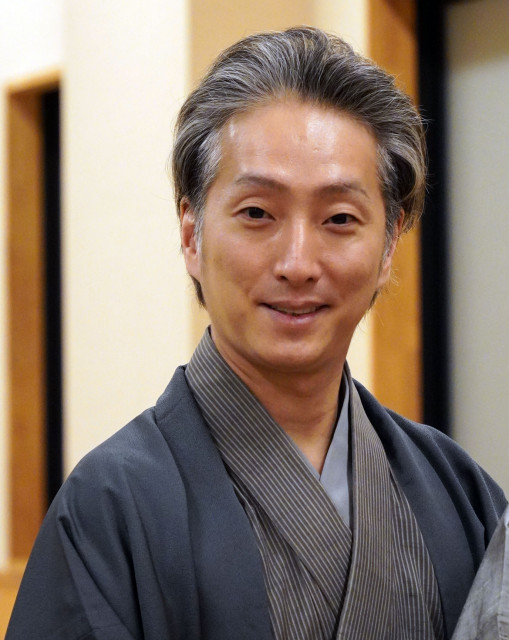
Japanese kabuki star Nakamura Shichinosuke, 43, announced the birth of his first child—a daughter—on his late-night ABC Radio program, “Sky presents Nakamura Shichinosuke no Rajinosuke,” broadcast on the 15th. Sharing the news directly with listeners, he said he became a father on August 11 and expressed gratitude that the baby arrived safely. He underscored the significance of the birth by noting that a girl has been born into the Namino family for the first time in more than 70 years—a rarity in a lineage long associated with sons who carry on stage names and traditions.
A rare daughter in a storied lineage
While the actor is known to audiences as Nakamura Shichinosuke—his stage name and part of the famed Nakamura-ya guild—his family’s legal surname is Namino. In kabuki, families often use a “yagō” (guild name) for the stage, and “Nakamura-ya” stands among the most prestigious lineages in classical Japanese theater. The arrival of a daughter after decades of male births is culturally striking. In kabuki, male actors traditionally perform female roles (onnagata), and the art form’s continuity historically hinged on sons who inherit stage names. Yet daughters in kabuki families play crucial roles: they often become cultural stewards, help manage households and traditions, support training, and can become influential figures within the community. In this sense, the birth represents not only family joy but also a fresh thread in the fabric of Japan’s living heritage.
From prodigy to leading onnagata
Born in Tokyo on May 18, 1983, Nakamura Shichinosuke made his first appearance before the public in 1986 and debuted on stage the following year in “Kadode Futari Momotarō.” He quickly established himself as a leading onnagata, celebrated for elegance, precision, and emotional nuance across a spectrum of classical roles. Beyond the kabuki stage, he expanded his reach to film, including appearances in “Yaji and Kita: The Midnight Pilgrims” and Hollywood’s “The Last Samurai,” showcasing the versatility and international resonance of Japan’s performing arts. He is the son of the late Nakamura Kanzaburō XVIII, a towering figure who energized kabuki for modern audiences while honoring centuries-old traditions.
Personal milestones, public significance
Last April, Shichinosuke announced his marriage through his agency, asking for continued guidance as he embarked on a new chapter. With the couple now welcoming their first child, the news has sparked warm congratulations across the arts community. Importantly, his on-air announcement—made with humility and respect for listeners—reflects a broader truth about Japan’s cultural scene: even at the highest levels of a venerable tradition, artists remain closely connected to their audience, using accessible platforms like radio to share life’s milestones.
Why this matters to Japan watchers and newcomers
For international readers and Japan newcomers, kabuki is both an art form and a family enterprise. The continuity of names like Nakamura, Ichikawa, and Onoe is sustained by generations who train from childhood, mentor apprentices, and cultivate public appreciation. A birth in a major household is news precisely because these families are pillars of an artistic ecosystem. A daughter’s arrival after 70-plus years reflects evolving family stories within a tradition that, while deeply rooted, is not static. It’s a reminder that Japanese culture advances through respect for heritage and the daily lives of those who carry it forward.
Looking ahead
While no details were shared beyond the safe arrival and the baby’s gender, the family’s request for continued support aligns with kabuki’s emphasis on community. The announcement will likely heighten public interest in upcoming appearances by Shichinosuke, whose refined performances embody both discipline and grace. In a moment when Japan continues to balance preservation with innovation—from theaters and festivals to film and digital platforms—this joyful news resonates as a promise: the next chapter of kabuki’s story remains vibrant, personal, and profoundly Japanese.