Summary
Fukuoka Mayor Soichiro Takashima announced he will not run in November’s mayoral race, saying he will finish his current term and “pass the sash to the next generation.” First elected in 2010 at age 36, he became Fukuoka’s youngest postwar mayor and now its longest-serving leader. His tenure emphasized internationalization, startup support, and urban renewal, including the “Startup City Fukuoka” push and the Tenjin Big Bang redevelopment. The election timeline is set: official notice Nov 1, voting Nov 15, with no declared candidates yet. Key issues ahead include maintaining startup momentum, managing growth, and enhancing global connectivity. For foreign residents and investors, leadership at city hall shapes services, business conditions, and daily life—even if non-citizens cannot vote. Fukuoka’s trajectory matters nationwide as a model for livability and innovation in Japan. Want the full context, quotes, and what to watch next? Click through for our in-depth analysis. Stay tuned as candidates step forward and platforms take shape.
Generational handover in a city on the rise
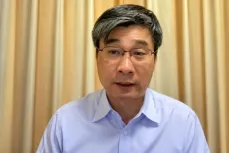
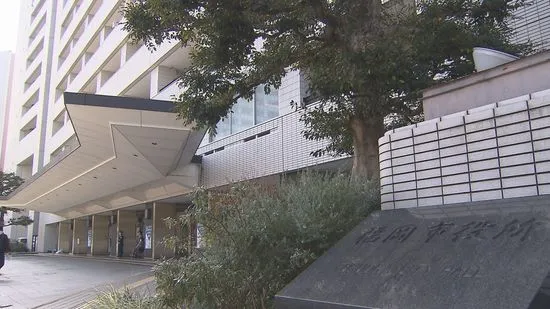
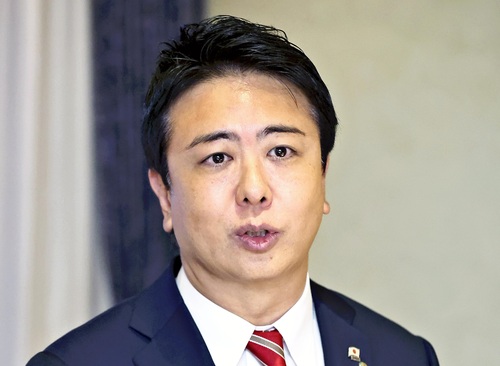
Fukuoka City’s long-serving mayor, Soichiro Takashima, announced on the 23rd via his official social media that he will not run in the upcoming mayoral election (official notice on November 1, vote on November 15). “I will not be a candidate in this election. After completing my current term, by my own will, I want to pass the sash to the next generation,” he said—using the “tasuki,” or relay sash, that symbolizes smooth handovers and team spirit in Japan. The decision marks a pivotal moment for one of Japan’s most internationally minded and fastest-growing major cities.
From youngest postwar mayor to longest-serving leader
First elected in November 2010 at age 36—the youngest postwar mayor in Fukuoka—Takashima, now 51, is in his fourth term and has set the city’s record for longest continuous service. Born in Oita City and formerly a TV announcer at Kyushu Asahi Broadcasting, he brought media savvy and a forward-looking agenda to city hall. His tenure has been defined by efforts to internationalize Fukuoka’s economy, retain young talent, and position the city as a gateway to Asia.
Building “Startup City Fukuoka” and a livable global hub
Under Takashima, Fukuoka advanced initiatives that raised its profile domestically and abroad. The “Startup City Fukuoka” program and national strategic special zone status helped lower barriers for entrepreneurs, including support measures for foreign founders and a more coordinated municipal approach to innovation. Urban redevelopment—most visibly the Tenjin Big Bang project—sought to refresh office stock and public space, while airport and port improvements strengthened ties with regional hubs like Seoul, Busan, and Taipei. The result: growing recognition of Fukuoka’s quality-of-life advantages—compact city center, strong food culture, and comparatively accessible costs—making it attractive to students, professionals, and creators who might otherwise gravitate to Tokyo or Osaka.
What the election means—and what to watch
As of now, no candidates have formally declared. That is likely to change quickly with the official notice date approaching. Expect prospective contenders from local politics, business, and academia to frame the campaign around continuity versus new priorities: keeping momentum in startup support, managing redevelopment and transport capacity, strengthening international education options, and sustaining livability as the city grows. For foreign residents, it is worth noting that non-citizens cannot vote in Japanese local elections—but mayoral policies shape daily life through city services, urban planning, and support for international business and communities.
The symbolism of the “tasuki”
Takashima’s reference to the relay sash will resonate with Japanese audiences: in long-distance relays (ekiden), passing the tasuki represents responsibility, trust, and shared purpose. By choosing that metaphor, the outgoing mayor signals an orderly, forward-looking transition—reflecting a broader strength of Japanese local governance: stability that still makes room for renewal.
Why this matters beyond Kyushu
Fukuoka is more than a regional capital; it is a bellwether for how Japan’s leading cities balance demographic realities with economic vitality and global connectivity. A smooth handover this November can help preserve investor confidence, sustain inbound tourism, and keep doors open for international talent—especially through startup support and city-run help desks that make settling in easier. Whatever the result, the story of Fukuoka’s next chapter is a story about Japan’s capacity for pragmatic change while staying true to its strengths: safety, reliability, and a deep commitment to community.