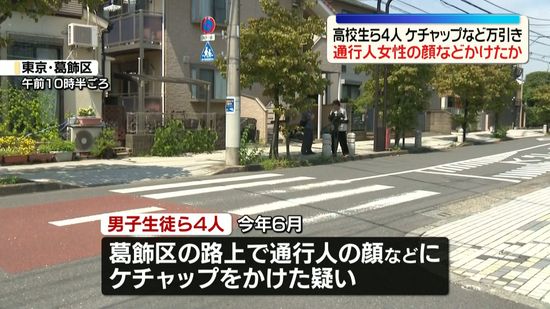
Tokyo police have arrested four teenage boys, including a first-year high school student, on suspicion of shoplifting and dousing pedestrians with condiments in a series of incidents that have unsettled parts of the capital. The Metropolitan Police Department (MPD) alleges the group stole ketchup and other groceries from a supermarket in Edogawa Ward in June and then, while cycling toward a game arcade, splashed ketchup and mayonnaise on unsuspecting passersby in neighboring Katsushika Ward.
What Police Say Happened
According to investigators, the teens allegedly took 24 items—including bottles of ketchup—from a local supermarket before moving through residential streets. On the road, they are suspected of targeting multiple pedestrians, splattering faces and clothing with condiments from their bicycles. The MPD is examining surveillance footage and mapping the route to identify additional victims. While the full extent of injuries or damages has not been disclosed, officers are treating the case seriously due to the random nature of the alleged acts and the potential for harm.
Statements Attributed to the Teens
Local reports say the teens told investigators they had thrown condiments at “around 10 people,” describing their actions as “like a random attacker,” and claiming they did it because “watching the reaction was fun.” Police stress that the investigation is ongoing and that any charges will be determined after evidence review and victim statements are fully collected.
Why This Matters in Japan
Japan is widely recognized for its strong public order and very low levels of street crime by global standards. Incidents like these stand out precisely because they are uncommon—and they tend to prompt swift, visible responses from authorities. The MPD regularly increases patrols in affected neighborhoods, works closely with store managers to deter shoplifting, and encourages bystanders to report suspicious behavior via Japan’s emergency number, 110. The episode also underscores the value placed in Japan on preventing “meiwaku”—causing nuisance or public disturbance—which can draw as much social condemnation as legal punishment.
Juvenile Justice Context
Because the suspects are minors, Japanese law restricts the release of identifying details and emphasizes rehabilitation. After arrest and questioning, cases involving juveniles are often referred to family courts, which consider the individual’s background, remorse, and risk of reoffending. Possible outcomes range from guidance measures and probation to placement in juvenile facilities for more serious or repeated offenses. This approach aims to balance accountability with a chance for young offenders to reintegrate responsibly into society.
Community and Business Response
Supermarkets and convenience stores in Tokyo already employ extensive loss-prevention measures—CCTV, staff training, and layout design—to deter theft. Following cases like this, retailers commonly review camera coverage and reporting procedures. Meanwhile, neighborhood associations and local schools often collaborate with police on safety education, reminding students about the consequences of “prank” behavior that crosses into criminality and harms others.
Advice for Residents and Visitors
Anyone who experiences a similar incident is encouraged to contact police immediately, note the time and location, and preserve any affected clothing as potential evidence. Japan’s police are accessible and responsive, and even seemingly “minor” nuisance crimes are investigated thoroughly when public safety is at stake.
What Comes Next
The MPD continues to identify potential victims and reconstruct the timeline. As interviews proceed, authorities will determine the appropriate legal steps, likely combining theft-related offenses with charges linked to assault or public nuisance as the evidence supports. For a city renowned for safety, the quick arrests and methodical follow-up reflect a broader reality in Japan: isolated disturbances are met with clear rules, community cooperation, and a justice system that seeks both deterrence and rehabilitation.