Osaka, Japan — In a rare court case brought through Japan’s citizen-led quasi-indictment system, the Osaka District Court on the 24th heard testimony that a supervising prosecutor did not review interrogation footage at the time of a high-profile embezzlement probe involving real estate developer Pressance Corporation. The witness, Prosecutor Mikio Hachisuka (53), said he initially judged there was “no problem” with the interrogation conducted by former Osaka special investigations prosecutor Daisuke Tabuchi (54), who is now on trial for alleged abusive conduct during questioning.
A rare citizen-led prosecution
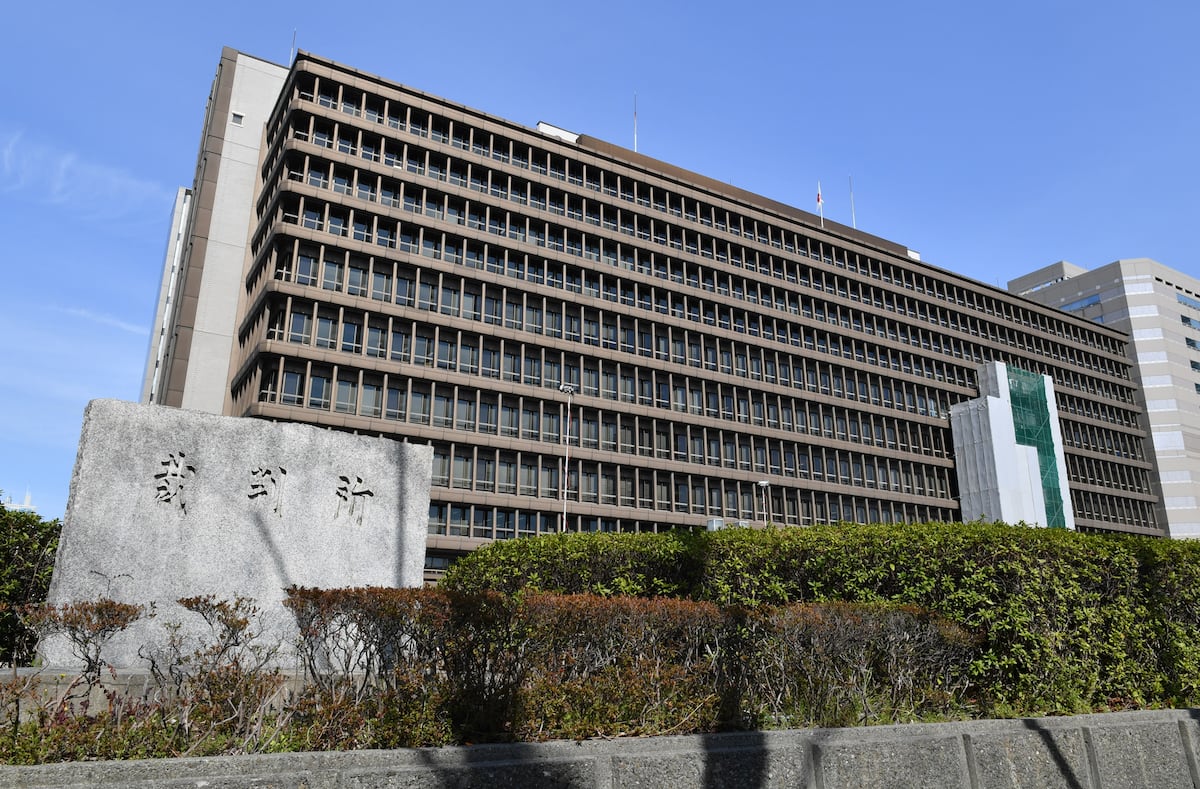
Tabuchi, currently assigned to the Tokyo High Public Prosecutors Office, faces charges under Japan’s Penal Code for assault or cruelty by a special public officer—allegations that he berated a suspect for hours, struck a desk, and shouted phrases including “Don’t underestimate the prosecution” during an interrogation linked to the Pressance case. Unusually, the trial proceeded after a quasi-indictment decision, a mechanism in which citizen review panels can prompt indictment by appointing private “designated attorneys” to act as prosecutors when official prosecutors decline to bring charges. The third hearing took place before Chief Judge Naoko Omori at the Osaka District Court, underscoring the system’s checks and balances on prosecutorial power.
What the court heard
Testifying for the designated attorneys, Hachisuka said he learned from an internal oversight official—known in Japanese as a “general review prosecutor”—that Tabuchi had, at times, banged a desk and raised his voice during interrogation. However, because the internal report concluded the conduct did not undermine the voluntariness of the suspect’s statements, Hachisuka admitted he did not watch the flagged portions of the recorded interrogation at the time and did not treat it as a problem. Asked by the defense about his later view after seeing the footage post-investigation, he conceded he thought the conduct “might have lacked appropriateness.”
An email and a former president’s acquittal
The designated attorneys also questioned an email Hachisuka sent before the arrest of then-Pressance president Shinobu Yamagishi (63)—whose acquittal is now final—to investigators including Tabuchi. The email asked how they would “deal with the truly bad guy.” Hachisuka told the court the phrase referred to Yamagishi and said statements from previously arrested former subordinates were “important” to any potential case against the president. He added there was no back-and-forth beyond that message about interrogation methods. After the hearing, the defense argued the controversial questioning occurred within the prosecution’s organizational judgment, questioning whether responsibility should rest on a single individual. The next court date is set for October 6, when the defense is expected to present evidence.
Why this matters for Japan—and for international observers
For readers outside Japan, the case offers a window into the country’s evolving justice system. Japan has introduced broader audiovisual recording of interrogations in serious cases and in investigations led by prosecutors, a reform designed to increase transparency and safeguard voluntariness of statements. This trial spotlights how those recordings are evaluated and how internal oversight interacts with frontline investigative decisions. It also demonstrates the reach of the quasi-indictment process—a uniquely robust citizen oversight mechanism that, in rare but significant cases, can bring public officials to court even when prosecutors decline to indict.
Context: The Pressance investigation and the Special Investigation Departments
Pressance Corporation, a prominent Osaka-based developer, became the focus of a corporate embezzlement probe by the Osaka District Public Prosecutors Office’s Special Investigation Department (SID), elite units that handle complex white-collar cases. While Yamagishi was ultimately acquitted, the methods used during parts of the investigation are now under scrutiny. For Japan’s business community—including global investors and expatriates—the case underscores an important point: as Japan deepens corporate governance and compliance standards, the justice system is also holding itself to high standards of transparency and accountability.
Big picture: Accountability and reassurance
Japan’s courts, citizen review panels, and internal prosecutorial oversight together form a multilayered framework that aims to protect rights while enforcing the law. This proceeding—public, contested, and rooted in recorded evidence—illustrates that framework at work. Whatever the verdict, the willingness to examine interrogation conduct openly signals a justice system confident enough to self-correct. For residents, businesses, and visitors alike, that is a reassuring sign of the rule of law in one of the world’s most stable democracies.