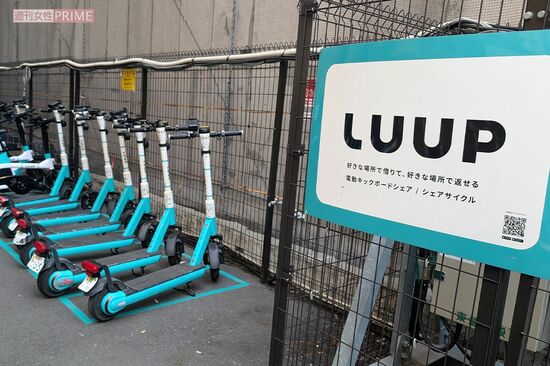
Tokyo — A lightning-fast smash-and-grab at Nakano Broadway has reignited Japan’s debate over shared electric kick scooters, after local reports indicated the suspects used a LUUP e-scooter to flee. Tokyo Metropolitan Police have arrested two men, identified as Chilean nationals, in connection with the theft of four luxury watches worth about ¥200 million (roughly US$1.3 million). The investigation is ongoing, and the company behind Japan’s largest shared e-scooter network says it is fully cooperating with authorities.
A 10-second raid in a landmark mall
The theft unfolded on August 25 inside Nakano Broadway, a beloved Tokyo shopping complex famed for its subculture boutiques, vintage shops, and rare collectibles, located near JR Nakano Station. According to police and local media, two individuals entered the premises with a hammer, smashed a showcase, and seized four high-end timepieces valued between approximately ¥29 million and ¥65 million each. Staff working in a back area found the case already shattered when they reached the floor. From smash to escape, the incident is said to have taken roughly 10 seconds — a level of speed and coordination that stunned bystanders and made national headlines.
Escape route and early leads
Investigators are examining surveillance footage and transit records after one suspect reportedly entered JR Nakano Station shortly after the crime, raising the possibility that stolen goods may have been quickly passed to another individual. Tokyo police subsequently arrested two foreign nationals and are probing their movements around the district. While arrests have been made, authorities have not released full details as they piece together the broader network and timeline. In keeping with Japan’s reputation for meticulous policing, the inquiry now spans station cameras, street footage, and mobility data.
Why LUUP is in the spotlight
Public attention has focused on LUUP because several outlets reported an e-scooter from the service was used during the getaway. LUUP allows riders aged 16 and over to use shared electric kick scooters without a driver’s license under Japan’s 2023 micromobility rules. Crucially, users must verify their identity with official documents such as a passport or My Number card before riding. That requirement, combined with GPS-based trip logs typical of shared fleets, has prompted widespread speculation online that investigators could trace usage histories. LUUP has confirmed it is cooperating fully with police but has not commented on whether specific account data will identify a suspect, citing the ongoing investigation and privacy protocols.
A recurring safety debate — and Japan’s regulatory approach
Micromobility has grown quickly across Japanese cities, supported by clear national standards introduced in 2023. Those rules cap speeds, set age limits, and define where scooters may ride, while many operators add geofencing, designated parking bays, and in-app training. Even so, criticism resurfaces whenever high-profile incidents occur. Local media note that a fatal e-scooter-related accident reported in Tokyo earlier this year re-energized calls for tighter enforcement and better rider education. Social media reactions to the Nakano case include renewed demands to restrict or even ban shared scooters. At the same time, many residents point out that strong ID checks, dense CCTV coverage, and swift police work — all hallmarks of Japan’s public safety ecosystem — can turn shared-mobility data into an asset for solving crimes rather than a liability.
Balancing innovation and safety
Japan’s response is likely to prioritize refinement over retreat. Policymakers and operators have a track record of tightening rules, improving signage, enhancing speed controls, and expanding parking compliance rather than abandoning useful urban tools. For visitors and expats, LUUP and similar services remain a convenient first- and last-mile option in compact neighborhoods like Nakano, Shibuya, and Shinagawa — provided riders follow local laws and community etiquette. This case may accelerate additional safeguards, including stricter enforcement against illegal parking, upgraded rider education, or faster data-sharing protocols with law enforcement under due process.
What to watch next
Key questions now are whether mobility data will help reconstruct the suspects’ route, how quickly authorities can recover the watches, and what preventive measures LUUP will outline to reassure the public. Japan’s measured, law-driven approach — visible in the rapid arrests, the company’s cooperation, and the ongoing forensic review — suggests the country will continue pursuing a balanced path: safeguarding streets while keeping innovative, low-carbon mobility available. As the investigation progresses, attention will remain on how effectively a high-tech, tightly regulated urban environment can turn a 10-second crime into a prompt, evidence-backed resolution.