Japan’s golden pair announce happy news—then the mood whiplash
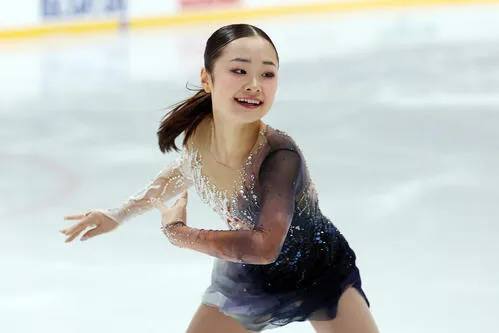
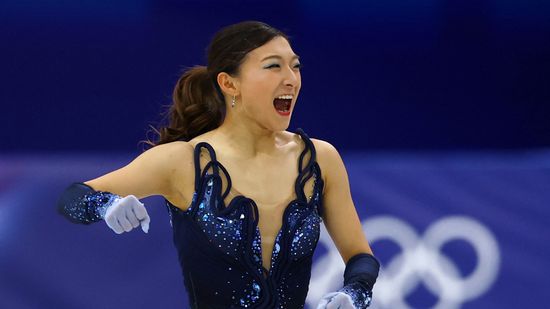
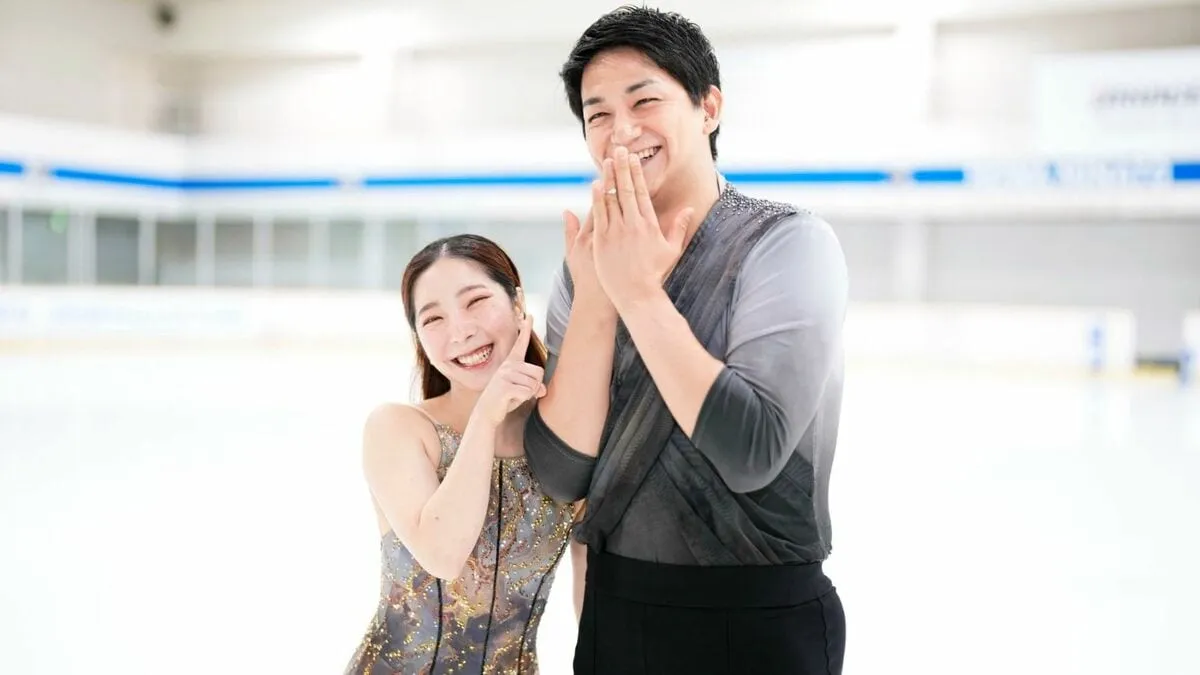
On the morning of August 23, Japan’s beloved figure skating pair Riku Miura and Ryuichi Kihara—known nationwide as “RikuRyu”—announced their engagement. The duo, World Champions and Grand Prix Final winners, are widely celebrated for revitalizing Japan’s pairs discipline with elegant programs and unflappable teamwork. Online, the first wave was pure joy: congratulations poured in across platforms for two athletes whose partnership has been a point of national pride.
Then, within a day, the wind appeared to shift. On X (formerly Twitter), critical keywords rose alongside the couple’s names, and posts accusing the pair of having “lied” about their private relationship began to rack up huge reach—some reportedly surpassing 24 million views. Yahoo! Real-Time Search snapshots cited in Japanese media suggested that, within a 24-hour window, sentiment around the search term “RikuRyu—engagement” skewed 61% negative to 39% positive as of August 26, 2026. To casual observers, it looked like a dramatic turn against two of Japan’s most admired athletes.
But another Japan-based forum told a very different story
When Shueisha Online’s coverage of the controversy—examining whether “hiding” a relationship is even a problem and highlighting potential defamation risks—was syndicated on Yahoo! News, the comments (around 4,000) painted the opposite picture. According to Yahoo’s AI classification, the dominant categories were “understanding prioritizing competition,” “questioning prying attitudes,” “supporting the decision not to disclose,” and “concerns about a climate of harassment.” In short, the most visible clusters leaned supportive of Miura and Kihara. Popular comments questioned the premise of “being deceived,” argued that “leave it to your imagination” was never a promise of non-relationship, and urged against inflammatory language.
Why the split? Selective attention and platform culture
Psychologists call it “selective attention”: in a flood of information, people subconsciously pick out what feels most important to them. The same fact can acquire different meanings depending on where and how it’s encountered. Platform design and audience demographics amplify that effect. X favors short, high-velocity posts and rewards virality; Yahoo! News comments skew longer-form, with a user base often described as older and more deliberative. It is unsurprising that the “drawers” our minds open—associations, norms, and tones—differ from one platform to another. The result is not one public opinion, but multiple, coexisting moods.
Context foreign readers should know
Miura and Kihara are more than social media subjects; they are standard-bearers for Japanese figure skating’s global stature. Their World Championship title in 2023 capped a season of firsts for Japan’s pairs, a field long dominated by other nations. Their nickname “RikuRyu” is affectionate shorthand known well beyond skating circles. In Japan, celebrities and athletes commonly draw a clear line between public performance and private life; “we leave it to your imagination” is a familiar, polite way to deflect intimate questions. That cultural context matters: what can read as “evasiveness” abroad is often viewed domestically as respectful boundary-setting, particularly in the crucible of elite sport.
The legal and ethical angle
Japanese lawyers quoted by local media have warned that blanket accusations such as “liar” or “deceived us” may risk defamation depending on context and factual grounding. Japan’s legal environment has been tightening around online slander, with platforms and courts increasingly responsive to takedown and disclosure requests in severe cases. The broader lesson is constructive: robust debate is healthy, but precision and civility matter—especially when reputations of real people are at stake.
What this says about Japan’s online discourse
Seen from abroad, the apparent whiplash might look like a sudden turn against national heroes. A closer look suggests something more encouraging: Japan’s digital public square is plural, and it includes spaces where readers weigh evidence, empathize with athletes’ need for focus, and call out harassment. The divergence between X and Yahoo! comments is not a flaw unique to Japan; it is a reminder that platform architecture shapes what we see everywhere. For fans, expats, and newcomers navigating Japanese media, the takeaway is practical—sample more than one venue before deciding “what Japan thinks.”
Bottom line
Riku Miura and Ryuichi Kihara’s engagement is happy news for a pair that has brought pride to Japan on the world stage. The controversy says less about them than about how social platforms filter attention. Look across multiple sources, resist snap judgments, and remember that in Japan—as in any vibrant democracy—many voices speak at once. When we listen carefully, the supportive chorus is still loud and clear.