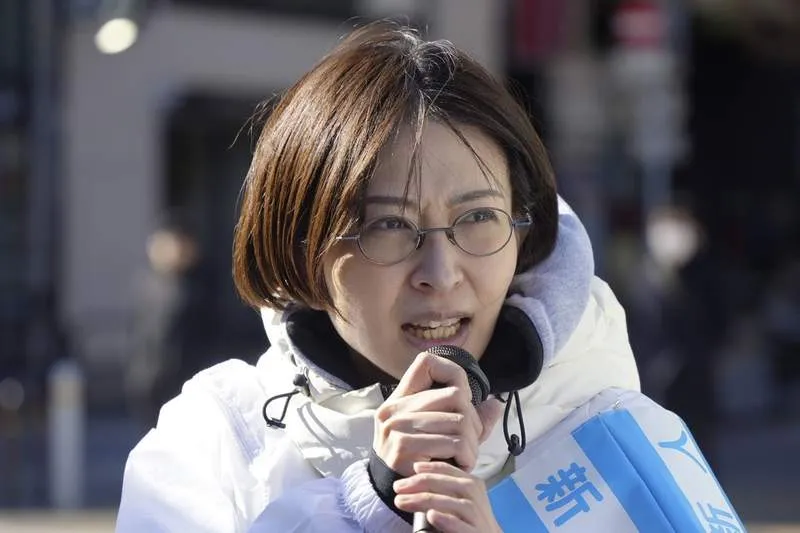
Tokyo assembly member announces sudden resignation on YouTube
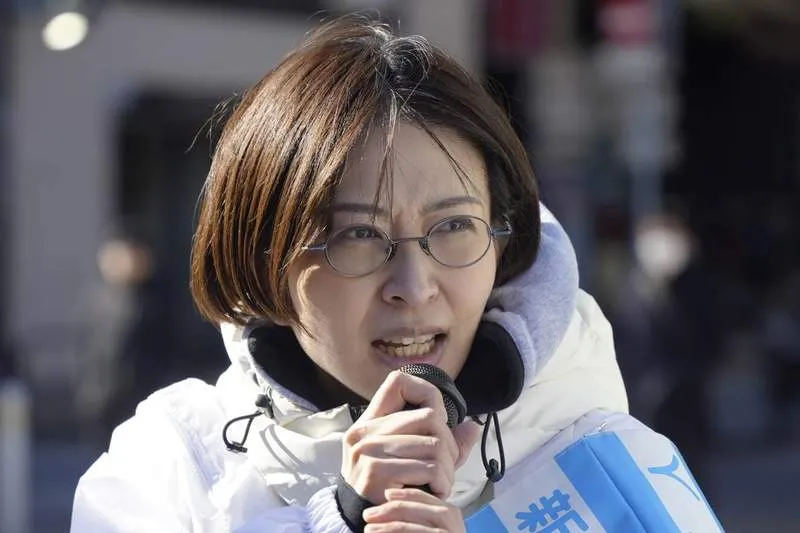
Saori Sato (also known as Sato Saori), the Tokyo Metropolitan Assembly member who rose to prominence as the “Genzei Megane” — literally “Tax‑Cut Glasses” — announced on the 29th that she is stepping down mid‑term. The independent lawmaker for Chiyoda Ward revealed her decision in a video on her YouTube channel, apologizing to supporters and stressing that she will “prioritize life” and “live in the present” as personal circumstances make continuing in office difficult. Sato, elected in June last year as an independent in the Chiyoda constituency, still had roughly three years remaining in her term.
“Not leaving politics in spirit” — but stepping back out of responsibility
In her message, Sato emphasized that her passion for public affairs remains intact. “It is not that I lost interest in politics or the desire to change Japan,” she said, adding that there are many lawmakers who can carry the torch, but “life is only one.” She framed the resignation as an exercise in accountability: holding a seat, she noted, is not enough — an elected official must be able to fulfill their responsibilities to Tokyo residents in full. After weighing her current situation, she concluded that returning the seat was the responsible path.
Privacy respected; civic voice to continue at her own pace
While Sato declined to disclose details, explaining that the circumstances involve others beyond herself, she promised to continue sharing information as a private citizen at a pace she can sustain. She also announced an indefinite pause of her political organization, which she said had approximately 5,300 registered supporters, leaving the door open to a future return “if the time is right.”
Who is Saori Sato — and why did she matter?
Sato’s profile surged during and after her independent win in central Tokyo’s Chiyoda Ward, an influential single‑member district that includes the Imperial Palace, major corporate headquarters, government buildings, and key cultural sites. Her “Tax‑Cut Glasses” nickname reflected a reform‑minded, fiscally conservative message that resonated with cost‑of‑living concerns and small‑business sentiment. Her digital‑first, YouTube‑savvy communication style exemplified a new generation of Japanese local politicians who speak directly to voters online while working within Japan’s consensus‑driven political culture.
What happens to the seat now?
Under Tokyo Metropolitan Assembly procedures, a vacancy in a single‑member district like Chiyoda typically triggers a by‑election, with timing set by the Tokyo Election Management Committee. Until then, constituency services and policy work continue through the Assembly, its committees, and other elected representatives. Japan’s institutional steadiness is notable here: even high‑profile resignations are handled transparently, and legislative functions carry on without disruption, a sign of the country’s resilient governance at the local level.
Why this matters for residents, businesses, and expats
Local assembly members help shape policies on urban planning, transport, disaster readiness, childcare, and the business environment — issues that affect residents, companies, and the international community in Tokyo. Sato’s stance on tax burdens and household costs tapped into debates that matter to entrepreneurs, foreign professionals, and students navigating life in the capital. Her exit will invite fresh competition and ideas in Chiyoda’s political arena, while reminding observers that Japan’s democracy accommodates personal well‑being alongside public duty.
The bigger picture: accountability and a possible return
Japan’s political culture places a premium on accountability — stepping aside when one cannot serve at full capacity is seen as a responsible choice. Sato’s promise to keep engaging as a private citizen underscores a healthy civic ecosystem in which non‑officeholders can still shape debate. And because she explicitly left open the option of returning, her supporters may yet see her re‑enter public life. For now, her decision highlights a practical, human‑centered approach to leadership that prioritizes health and responsibility while trusting Japan’s institutions to ensure continuity for voters.