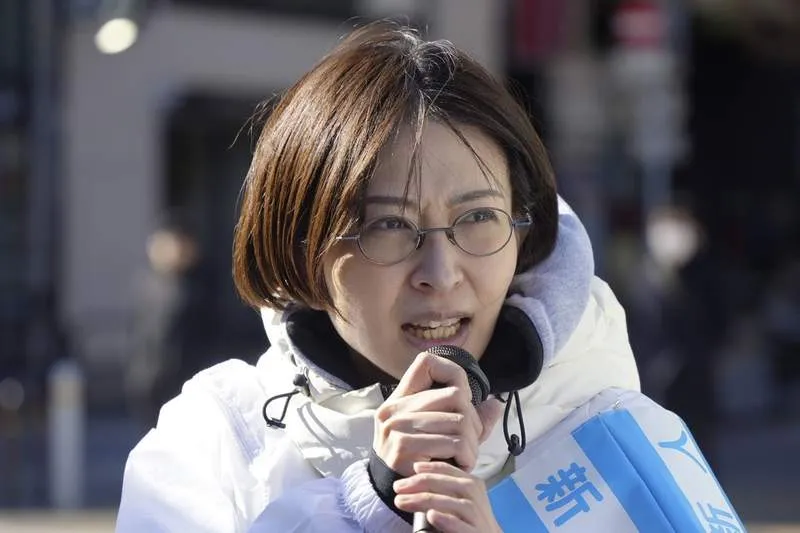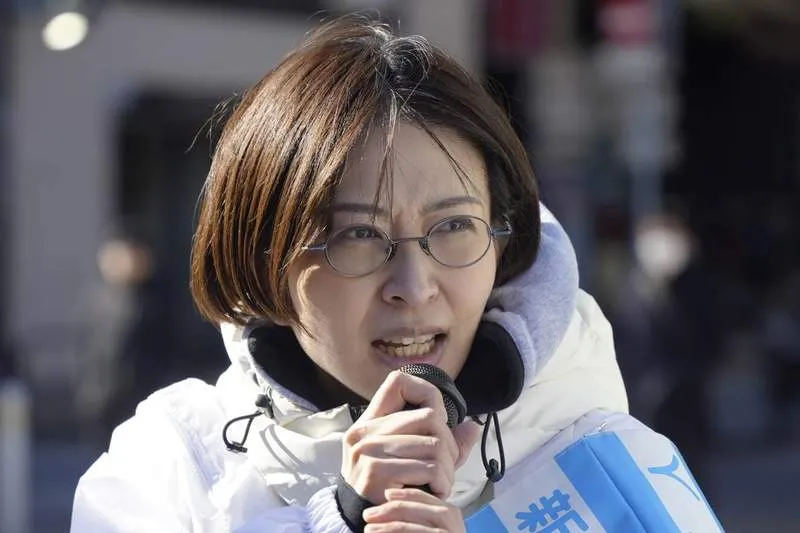
Tokyo, Japan — September 4 (JST) — Tokyo Metropolitan Assembly member Saori Sato (佐藤沙織里) announced via her YouTube channel that she is withdrawing her previously stated intention to resign, apologizing to constituents for the confusion and explaining that new avenues have emerged to resolve safety-related issues that prompted her initial decision. “From the conclusion, I will retract my resignation,” she said, adding, “I am truly sorry for causing confusion.”
What changed in seven days
Sato’s reversal comes one week after she publicly stated she would step down, citing threats around her personal safety and the wellbeing of people close to her. On August 29, she said she had only one life and would prioritize “living now,” signaling an intention to resign little more than a year after taking office. In her new video update on September 4, Sato revealed that after her announcement, multiple political figures reached out and indicated there may be a path to resolve the situation without her leaving public office. Following intense deliberation, she chose to remain in her post.
Her explanation, in her own words
Sato said two issues drove her initial decision: an alleged assault against someone close to her, and, separately, financial demands directed at her in relation to a person important to her. Feeling there was “no way to settle” the matter except by stepping down, she prepared to resign and even advanced practical steps—clearing out items from her assembly group room and returning loaned equipment. Stressing that her earlier announcement was not a publicity stunt, she noted the process was already “at the brink” of completion. Now, with a potential resolution in sight, she said she has severed ties with certain personal relationships “completely” to prioritize public duty and safety. She apologized again for the turmoil the back-and-forth caused voters and colleagues.
Why this matters for Tokyo residents, including foreigners
The Tokyo Metropolitan Assembly is Japan’s largest local legislature and sets policy affecting 14 million residents—Japanese nationals and foreign residents alike. Its decisions shape everyday life: public transport funding, childcare and education support, disaster preparedness, small-business programs, and multilingual services that help newcomers navigate visas, healthcare, and local administration. Continuity in leadership and a clear sense of security for elected officials help keep this policy engine stable and responsive. Sato’s U-turn underscores how Japan’s democratic institutions encourage accountability while enabling elected members to respond to changing facts—and it highlights growing conversations nationwide about safeguarding public officials from harassment and intimidation, while maintaining transparency with the public.
Procedural context: how resignations work
In Japanese local assemblies, a resignation generally becomes official only after formal paperwork is submitted and accepted by the chair (and, depending on rules, acknowledged by the assembly). According to Sato, while administrative steps had advanced, the formal process had not been finalized. That procedural window allowed her to rescind the intention and continue serving. Such guardrails balance decisiveness with due process, ensuring that major personnel changes are deliberate and properly recorded.
What to watch next
In her original resignation video, Sato said she would address “the investigation” in a subsequent post; as of her September 4 update, detailed information has not been publicly disclosed. Key questions remain: Will authorities be involved regarding the alleged assault and financial demands? What specific measures will be taken to ensure her safety and that of those around her? And how will her experience inform broader anti-harassment protocols for public officials in Tokyo? For residents and observers, the case is a window into how Japan is modernizing political communication—Sato used YouTube to explain decisions in real time—and how the country’s institutions aim to protect public servants while maintaining trust. For now, Sato’s seat remains filled, her mandate continues, and Tokyo’s policy work carries on.