Diver dies after going missing at renowned Ose Beach in Shizuoka
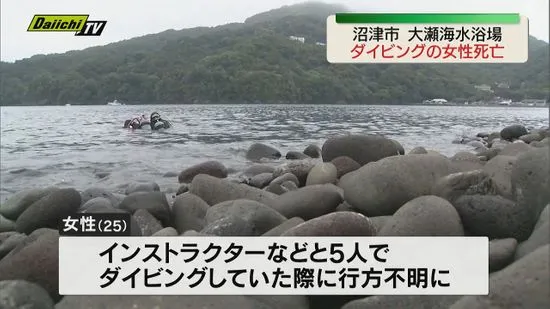
A 25-year-old woman from Matsudo City, Chiba Prefecture, died after going missing during a dive at Ose Beach (Osezaki) in Numazu, Shizuoka Prefecture, on the 30th. According to police, the woman disappeared at around 11 a.m. while diving with a group of five that included instructors near the Nishiura Eri area of Ose Beach. She was later located and brought ashore in cardiopulmonary arrest and was pronounced dead at a hospital. Authorities have not released the woman’s name. Local police are investigating the detailed circumstances surrounding the incident, including the group’s dive plan, entry point, conditions in the water, and the timeline of the rescue.
A popular and usually well-managed dive site
Ose Beach, known widely as Osezaki, is one of Japan’s best-known shore-diving destinations. Set on the edge of Suruga Bay with occasional postcard views of Mount Fuji, it draws both seasoned divers and first-timers due to easy access, established dive shops, and generally calm, protected entry points. Operators in the area typically maintain robust safety practices—pre-dive briefings, equipment checks, and buddy systems—reflecting Japan’s broader culture of risk management in outdoor sports. The presence of instructors in this case underscores that it was a guided activity rather than an unsupervised dive. Still, even celebrated dive sites can present challenges. Conditions can shift quickly due to tides, currents along the cape, and changes in visibility. While investigators have not pointed to any specific cause, they will review environmental factors, experience levels, and equipment to construct an accurate picture of what happened—a process that is standard in Japan and intended to prevent future accidents.
Swift response and structured investigation
Witness accounts and initial reports indicate that search efforts began immediately after the diver was reported missing, in line with Japan’s well-coordinated marine emergency protocols. In coastal incidents, local police, fire-rescue teams, and the Japan Coast Guard typically coordinate closely, with standardized communications and clear lines of responsibility. The outcome in this case was tragic despite those efforts, but the systematic approach is designed to save lives and to provide clarity afterward. Police may conduct further interviews with group members and instructors and could seek an autopsy to determine the precise cause of death. Local broadcasters also carried video segments showing the search-and-rescue presence at the scene.
Context for international divers in Japan
For foreign residents and visitors, Japan offers accessible, high-quality diving—from the Izu Peninsula and Okinawa to remote islands—supported by reputable operators, rental gear, and clear safety standards. Most shops require recognized certification for independent diving or offer supervised “try dives” for beginners after medical questionnaires and briefings. Best practices include checking water and weather forecasts, understanding site-specific entry/exit points, agreeing on a conservative dive plan, and confirming that rental equipment fits properly. Divers should carry surface signaling devices, stay within no-decompression limits, and follow instructor guidance. In an emergency at sea in Japan, dial 118 for the Japan Coast Guard or 110 for police; many tourist areas also have multilingual support via local tourism offices and dive centers.
What happens next
As police build a timeline of events at Numazu’s Ose Beach, dive operators in the region will likely further review safety briefings and site conditions—a routine step in Japan’s continuous improvement approach to outdoor recreation. While the nation prides itself on meticulous safety, incidents can still occur, particularly during busy summer periods when more people take to the water. For divers planning trips, this tragedy is a sober reminder to lean on Japan’s strong training culture: choose reputable guides, ask questions about conditions before entry, and err on the side of caution. Osezaki remains a respected and much-loved site, and the community will draw lessons from this loss to keep the focus firmly on safety and preparedness.