Two fatalities confirmed after fire at neighborhood patisserie in Gifu
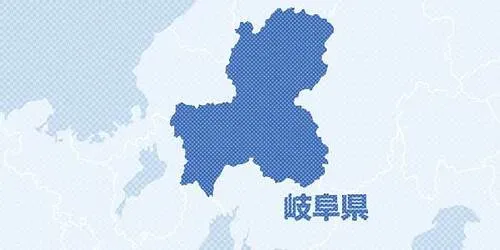
Two people have been found dead and three others were taken to hospital after a late-night fire at a cake shop and residence in Motosu City, Gifu Prefecture. The incident began around 9 p.m. on the 5th, when a call to Japan’s 110 emergency line from the cake shop “Sunrise” (Sanraizu) reported that “someone has been stabbed” and that “gasoline is being poured,” according to police. The blaze tore through a two-story, steel-frame building roughly 300 square meters in size, which served both as a retail patisserie and family home.
Emergency call and swift response
Gifu Prefectural Police, Kitagata Station, confirmed the distress call and said the fire drew a major emergency response from local firefighters and police officers. Inside the structure at the time of the blaze were 11 men and women. Authorities have confirmed they are in contact with six of them. Tragically, two bodies were discovered in the burned remains. Three individuals, including the household head, Satomi Sono, 66, were transported to hospital. Their conditions were not immediately disclosed.
Where it happened
The scene is in a semi-rural part of Motosu City, approximately 1.2 kilometers southwest of Kitagata-Makuwa Station on the Tarumi Railway. The neighborhood is characterized by a mix of homes and agricultural fields—typical of inland Gifu, known for its quieter pace of life compared with Japan’s major metropolitan centers.
Police investigate as a criminal case
Given the report of a stabbing and the mention of gasoline, police are treating the case as a criminal matter and have begun a full investigation into the cause of the fire and the circumstances leading to the fatalities. No arrests had been announced as of publication, and officials urged the public to avoid speculation while the inquiry proceeds, including identification of the deceased and a detailed timeline of events.
Context for readers: safety and emergency protocol in Japan
Japan remains one of the safest countries in the world, with consistently low rates of violent crime compared to global averages. Incidents as serious as this are rare and typically prompt rapid, thorough responses from local authorities. The country’s clear emergency framework—110 for police, 119 for fire and ambulance—ensures that calls like the one placed from “Sunrise” mobilize immediate action. In many Japanese towns and cities, family-run businesses often occupy buildings that combine storefronts and living quarters, as was the case here. While convenient, these mixed-use structures can pose complex challenges for firefighters when emergencies arise.
About Gifu and the Tarumi Railway area
Gifu Prefecture sits in central Japan, prized for historic towns, mountain scenery, and craft traditions. The Tarumi Railway, a local line serving communities west of Gifu City, is a lifeline for residents and small businesses. Motosu’s blend of residential lanes and farmland typically makes for a peaceful community setting—one reason this case has resonated across regional and national media.
What residents and visitors should know
For anyone living in or visiting Japan, program 110 (police) and 119 (fire/ambulance) into your phone. When reporting emergencies, simple English such as “Fire,” “Help,” and your location can be enough to trigger a response; many dispatchers will attempt to connect you to English assistance. Local communities in Japan are highly organized, and neighborhood associations often support residents during and after incidents, underscoring the country’s culture of mutual aid.
What’s next
Authorities are working to determine the identities of the deceased, the precise cause of the fire, and whether any crimes, including potential arson or assault, occurred. As more facts emerge, this case will likely prompt fresh attention to mixed-use building safety and emergency readiness—areas where Japan has extensive protocols and a strong track record, yet remains committed to continuous improvement.