China has withdrawn from the Gwangju Biennale in South Korea just days before opening, protesting the organizer’s decision to allow an exhibition area labeled “Taiwan Pavilion.” The move underscores how geopolitics increasingly shapes the cultural stage—and puts renewed focus on Japan’s role as a stable hub for Asian arts.
What happened at the Gwangju Biennale
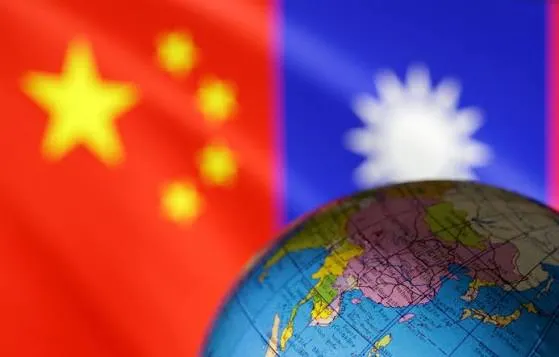
According to South Korean media and official statements, Chinese participants announced on 3 September that they would pull their works from the Gwangju Biennale, one of Asia’s largest contemporary art festivals, set to open on 5 September in the southwestern city of Gwangju. They said the withdrawal was a “strong protest” against the organizer’s recognition of a “Taiwan Pavilion,” which they argued treats Taiwan as a country. A spokesperson at China’s Foreign Ministry criticized the decision as an open violation of the “one-China” principle, adding that Beijing lodged a formal protest with the South Korean side.
The trigger: a naming dispute with global echoes
Naming conventions for Taiwan have long sparked diplomatic friction. In international sports, for instance, Taiwan competes as “Chinese Taipei.” In arts, practices vary across venues and countries, often reflecting each host’s policy and curatorial independence. The Gwangju Biennale—founded in 1995 to honor the spirit of the 1980 pro-democracy movement—has grown into a major platform for experimental art and global dialogue. This year, that dialogue has been overshadowed by a familiar geopolitical fault line.
Why it matters for regional culture and diplomacy
Culture has become a frontline for soft power in Asia. Biennales and triennales are not just exhibitions; they are diplomatic stages where language, labels, and artist lists can signal broader alignments. China’s exit not only reduces cross-border exchange at Gwangju; it also raises questions for future events across the region: Will organizers adjust naming policies to avoid diplomatic blowback, or double down on curatorial autonomy? For artists and curators, last-minute withdrawals risk sunk costs, diminished visibility, and fractured networks—pressures that may reshape where they choose to exhibit next.
The “one-China” principle and the arts
Beijing maintains that countries and institutions should avoid framing Taiwan as a sovereign state. Hosts that embrace more neutral language can sometimes glide past controversy; others face pressure from various sides, including from audiences who see cultural spaces as arenas for free expression. The Gwangju case shows how even organizational details—like a pavilion title—can become flashpoints with real consequences for collaboration.
Japan’s vantage point: a stable stage for Asian art
Amid the turbulence, Japan stands out as a steady, well-resourced cultural hub. Tokyo and other cities consistently host artists from across Asia—mainland China, Taiwan, South Korea, and beyond—within an environment known for high production standards, strong institutions, and predictable rules. Japan’s position is nuanced: Tokyo adheres to its longstanding framework with Beijing while maintaining robust people-to-people and cultural ties with Taiwan. That equilibrium, combined with Japan’s deep respect for artistic independence, makes it an attractive venue for cross-Strait and regional dialogues through art.
Anchors of reliability: Setouchi, Yokohama, Aichi
Flagship Japanese events such as the Setouchi Triennale, Yokohama Triennale, and Aichi Triennale have built reputations for ambitious curation, professional logistics, and global reach. These platforms routinely welcome diverse voices from Asia, helping artists find audiences beyond political headwinds. For curators recalibrating after the Gwangju shock, Japan’s calendar offers multiple, well-managed alternatives where the rules of engagement are clear and consistent.
Practical pathways: visas and collaboration
For international creatives eyeing Japan, established routes—including Cultural Activities visas for non-remunerated artistic work, options under the Engineer/Specialist in Humanities/International Services category for creative industry roles, and Highly Skilled Professional pathways—support long- and short-term projects. Local governments and institutions actively promote residencies, co-productions, and museum partnerships, making Japan a practical base for sustained collaboration. While requirements vary, the overall framework is known for transparency—an asset when timelines and reputations hinge on certainty.
What to watch next
As the Gwangju Biennale opens without its Chinese contingent, attention will turn to whether organizers revise naming practices and how other Asian festivals respond. The episode could nudge artists and curators toward venues that provide both visibility and predictability—conditions Japan is well placed to offer. For audiences and professionals alike, the message is clear: in today’s Asia, cultural programming is inseparable from diplomacy, and Japan’s steady stewardship is becoming ever more valuable to keep the conversation alive.