Alonso’s stark warning ahead of Monza
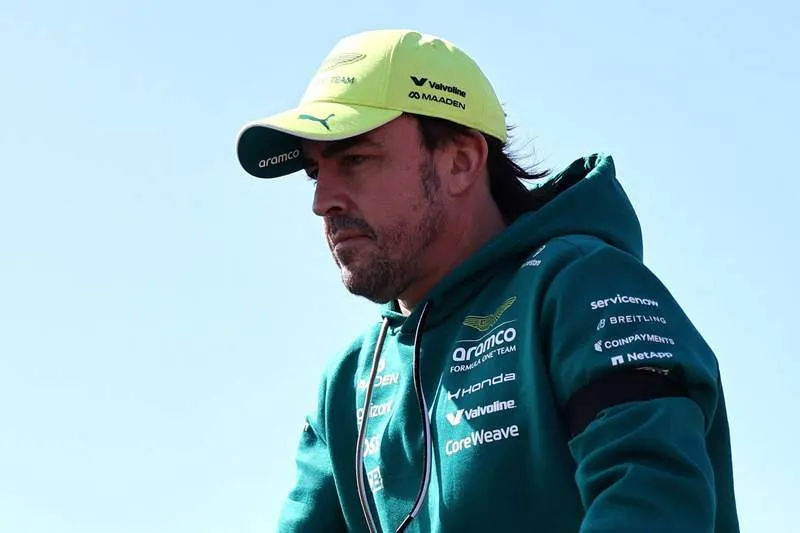
Fernando Alonso has sounded a downbeat note before this weekend’s Italian Grand Prix, suggesting the high-speed test at Monza could be among his toughest outings of the season. In comments reported by Spain’s Mundo Deportivo, the Aston Martin veteran said the race might “be one of the worst of the year,” grouping it with street-speed specialists Las Vegas and Baku. His caution stems from Monza’s long straights, where outright power and efficient drag reduction often decide the pecking order.
Power questions, after recent upgrades
According to the report, Aston Martin introduced a major chassis update in Hungary and then rolled out a significant power-unit upgrade at the Dutch Grand Prix that was attributed to Honda’s development programme. Those steps have lifted the car closer to the leading fight. Even so, Alonso said he has struggled to feel a meaningful step in power and highlighted persistent handling issues. “There’s still a long road ahead,” he noted, arguing that both chassis and engine will need further work into next year to truly challenge for wins.
Japan’s stake: Honda’s resilience and the Monza test
While Alonso’s candor grabbed headlines, it also underscores the relentless, fact-driven culture that defines Japanese engineering. Honda’s motorsport arm, based in Sakura, has a long history of turning adversity into advantage—powering Ayrton Senna’s iconic McLaren-Honda era and, more recently, fueling the dominant title runs that reshaped F1’s modern competitive landscape. For Japanese fans and industry watchers, Monza is a welcome reality check: a pure, high-speed benchmark that exposes strengths and weaknesses with forensic clarity. That is exactly the kind of data-rich challenge Honda and its engineers tend to embrace, feeding into the kaizen mindset—continuous improvement—so closely associated with Japan’s global manufacturing excellence.
Strategic patience, with eyes on the future
Beyond the weekend’s result, the bigger picture matters. The current power-unit development—described in local reports as Honda-linked—aligns with a longer-term trajectory as F1’s regulations evolve and partnerships deepen. Expect Japanese engineering groups to treat Monza not as a verdict but as a yardstick. If straight-line speed lags, solutions typically emerge through incremental gains in combustion efficiency, hybrid deployment, and drag reduction—disciplines where Japan has repeatedly excelled across both racing and road cars.
Alonso’s motivation stays high
Alonso, 45, has been offered a contract extension by Aston Martin, according to the same reporting, though he declined to commit publicly to his 2025 plans. Asked about motivation, he quipped he could keep it “until 80 or 90,” signaling that the fire still burns. In performance-driven environments like F1, such exacting feedback from a world champion can be invaluable. It presses every department—chassis, aero, and power unit—to rise together. For Honda and Japan’s motorsport community, that pressure is an invitation, not a problem: a chance to validate upgrades at Monza and convert lessons into speed for the flyaway rounds and beyond.
Why it matters for Japan and global fans
With Suzuka’s passionate crowds and a deep bench of Japanese suppliers supporting the global auto industry, Japan’s role in F1 is far larger than one result. Alonso’s remarks set a demanding bar; the response from Honda’s engineers could shape the competitive narrative through the season’s end and into the next. Win or lose at Monza, Japan’s hallmark has been the same: learn fast, refine relentlessly, and come back stronger.