Japan roar back in Berlin to win World Cup opener
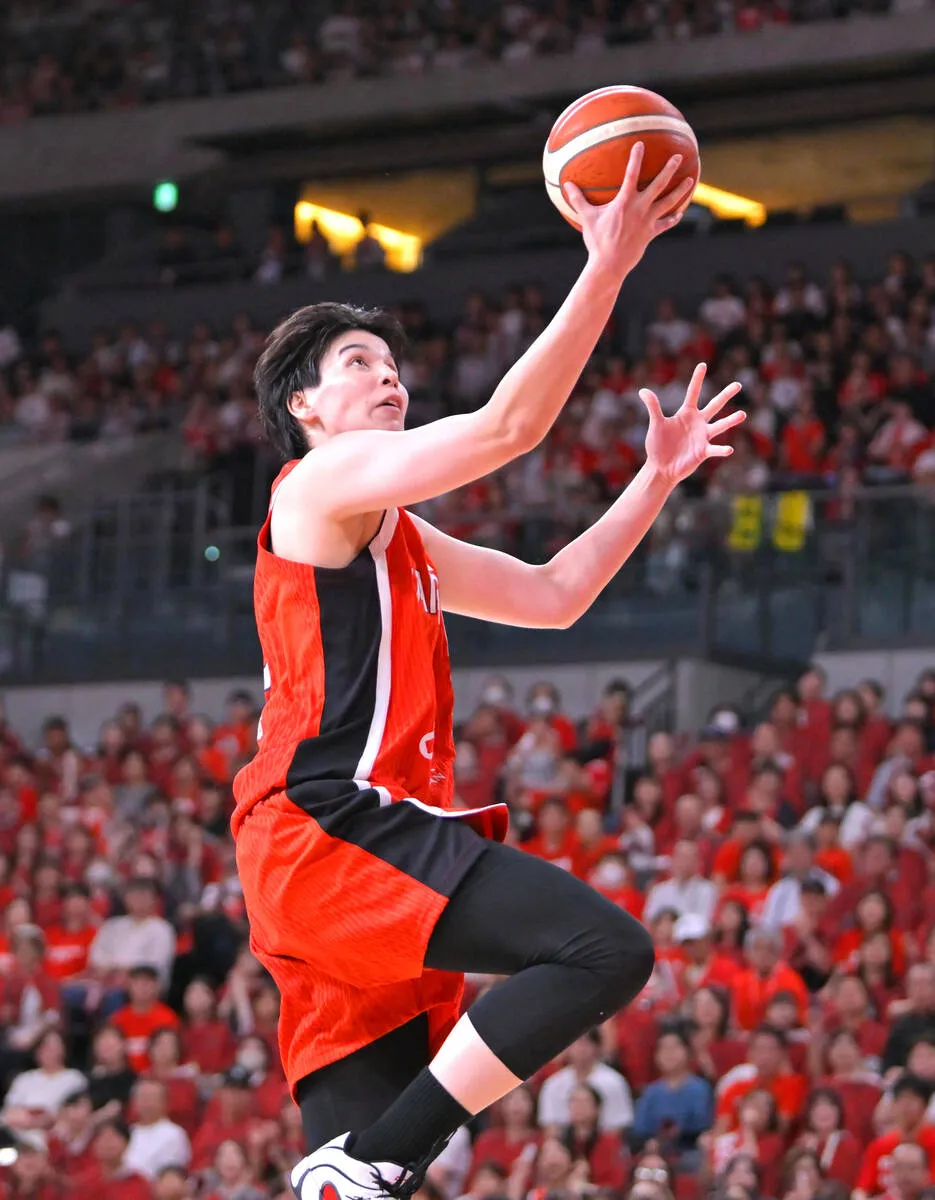
Japan’s women launched their FIBA Women’s Basketball World Cup campaign in style, outlasting Mali 102–97 in Berlin on the 4th after a gripping, momentum-swinging contest. Ranked No. 10 in the world, Japan overcame an early 0–7 deficit and sealed the result late when veteran forward Maki Takada buried a decisive three-pointer in the final minute to hold off the No. 18-ranked Africans. The victory delivers a high-quality opening statement from a team known for poise, precision and perimeter firepower—qualities that once again defined the Akatsuki Five’s identity on the global stage.
How the game unfolded
Mali blitzed out of the blocks with seven quick points, but guard Kokoro Tanaka responded with three straight scores to pull Japan level at 7–7. Even after WNBA guard Mai Yamamoto checked in midway through the first quarter, Japan initially struggled to control the rhythm. A timely Takada triple cut the gap from 15–22, and 19-year-old Otowa Goto—Japan’s youngest player—contributed from the line as the period ended 21–25. The second quarter followed a similar pattern: Mali struck first, Japan answered. Tanaka halted one run, Yamamoto and sharpshooter Saki Hayashi hit from deep, and Norika Konno scored to trim the deficit to 38–42. Hayashi’s next three made it a one-point game, before Mali edged back to lead 52–48 at halftime.
Japan seized the initiative to start the third. Tanaka scored, Hayashi drilled another three to flip the lead, and Goto finished a smooth layup—the third of her points on the night—to push Japan in front. Mali’s timeout worked; they replied with five straight, including two from long range, to wrestle back control. Konno kept Japan within striking distance with back-to-back threes, and after Ramu Tokashiki scored, the Akatsuki Five trailed just 71–73 entering the final quarter.
The fourth was pure theater. Points traded hands to 76–79, before Yamamoto splashed a tying three with 6:30 left. Mali answered immediately from deep for 79–82, but forward Mawuli and Hayashi responded in kind—84–82 to Japan—as the game tilted on every possession. With 3:53 remaining, Japan’s cushion grew to 90–85. Mali closed to 98–95 in the final minute, only for Takada to step up with a cold-blooded dagger from beyond the arc to settle it, 102–97.
Depth, youth and the Japan way
Japan’s hallmark balance stood out. Veterans Takada and Tokashiki provided leadership and interior presence, while Hayashi and Konno opened the floor with confident perimeter shooting. Yamamoto’s composure at guard—honed by WNBA experience—proved pivotal in crunch time. Tanaka’s early burst steadied the ship after the slow start, and Goto’s fearless contributions underscored the team’s blend of youth and experience. It was classic Japan: pace-and-space offense, unselfish ball movement, and no hesitation from three—an approach that can unsettle even the most physically imposing opponents.
What it means for Group A—and LA 2028
Japan shares Group A with Spain (No. 6), Germany (No. 11) and Mali (No. 18). Each group of four plays a round robin, with the first-place finisher advancing directly to the quarterfinals. Second and third place go to cross-over qualification games (A vs. B, C vs. D) for remaining quarterfinal spots. Crucially, the World Cup champion secures a berth for the Los Angeles 2028 Olympic Games, while teams that miss out have a final chance at the Olympic Qualifying Tournament in February 2028. Japan finished ninth at the last World Cup in 2022 and owns a historic runners-up finish from 1975—but has not reached the last eight since 1979. This win keeps them firmly on track ahead of marquee clashes with Spain and host Germany, and the triple-digit scoring output signals that Japan’s offense is ready for heavyweight tests.
Why international fans should care
Japan’s women’s program has surged over the past decade, culminating in a memorable silver medal at the Tokyo 2020 Olympics. The domestic W League has nurtured sharp-shooting guards and versatile forwards, and the national team’s modern, high-tempo style makes them one of the most watchable sides in the tournament. For global fans and Japan enthusiasts alike, this opening-night resilience in Berlin reflects a broader story: a nation investing smartly in player development, embracing analytics and skill-based basketball, and producing a team that competes with grace and nerve on the world stage. As the group phase intensifies, Japan’s blend of precision and belief could turn a promising start into a deep World Cup run—and, potentially, a direct ticket to LA 2028.