Japan signals disciplined growth: Takaichi’s message on X
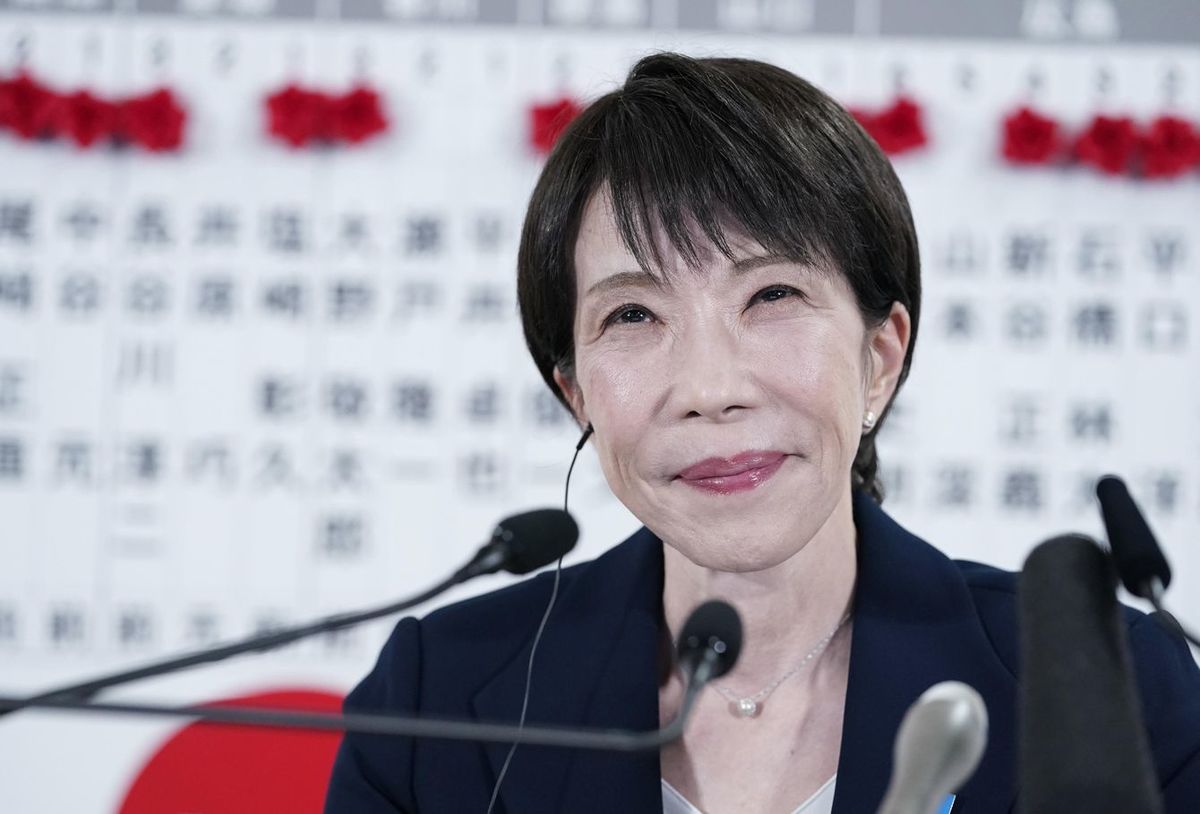
Prime Minister Sanae Takaichi signaled a tough, growth-focused budget process on the 4th, posting on X (formerly Twitter) that not every ministry request will be approved and that Tokyo will fund what is “truly effective” for the economy. She emphasized two priorities often seen as competing: building a stronger economy and maintaining fiscal sustainability. Takaichi also pledged to raise “budget transparency and discipline,” reinforcing the message that each yen of public money must deliver measurable results, particularly in catalyzing private-sector investment.
What ‘budget requests’ mean in Japan
Japan’s annual budgeting cycle begins when ministries submit preliminary “gaisan yōkyū,” or budget requests, detailing the programs they want funded in the next fiscal year. The Ministry of Finance then scrutinizes these submissions, negotiates with ministries, and works with the Cabinet to compile a draft budget, typically finalized in December and submitted to the Diet for passage before the new fiscal year starts on April 1. Takaichi’s post came right after these requests were consolidated—an early indication that her government intends to be selective, metrics-driven, and investment-minded as the process moves forward.
Balancing growth with fiscal realities
Japan’s challenge is well known: an advanced, innovative economy facing demographic headwinds and a high public debt ratio. In recent years, policymakers have tried to support wage growth, improve productivity, and spur innovation, while keeping an eye on interest-rate dynamics as the Bank of Japan gradually normalizes monetary policy. Takaichi’s framing—prioritizing projects that contribute to growth and trigger private investment—speaks to a pragmatic approach: leveraging public funds to unlock larger pools of private capital in areas like advanced manufacturing, digital transformation, and the energy transition, without abandoning fiscal prudence.
What could get prioritized
While final allocations are months away, the prime minister’s criteria suggest attention to programs with clear multipliers: initiatives that lift productivity, encourage corporate investment, and expand capacity in strategic sectors. That could include incentives for research and development, support for startups and small and medium-sized enterprises, digital infrastructure, resilience and supply-chain security, and workforce upskilling. Projects that demonstrate measurable returns—through jobs, exports, or technology diffusion—are most likely to align with Takaichi’s “truly effective” standard.
Transparency and discipline: why it matters
Improving transparency and budget discipline is not just a fiscal housekeeping exercise; it is a competitiveness strategy. Clear criteria, public reporting, and rigorous cost-benefit analysis can crowd in private capital by reducing policy uncertainty. For global investors and businesses operating in Japan, a predictable, rules-based allocation process makes long-term planning easier. For taxpayers, the promise is simple: more value for money and a stronger foundation for social services in an aging society.
Implications for businesses, residents, and expats
For companies, a disciplined, pro-growth budget can signal stability, especially if funds are steered toward innovation, energy security, and human capital. For residents—including the international community in Japan—budget choices influence everyday life: childcare access, transport, digital services, and disaster preparedness. A credible fiscal stance can also support currency and bond market confidence, helping to contain financing costs and sustain investment in public priorities. Foreign entrepreneurs and professionals often watch these cycles closely; programs that streamline regulation, expand research partnerships, or enhance regional revitalization can open doors for new ventures and career opportunities.
What to watch next
The coming weeks will bring negotiations led by the Ministry of Finance and line ministries, followed by Cabinet decisions toward year-end. Key signals to monitor include any spending caps, performance metrics attached to major programs, and the balance struck among growth initiatives, social spending, and national resilience. Takaichi’s early message is clear: Japan intends to be selective, transparent, and outcomes-oriented—funding what works, and proving it. For investors, employers, and households at home and abroad, that’s a sign of confidence in Japan’s capacity to grow strongly and sustainably.