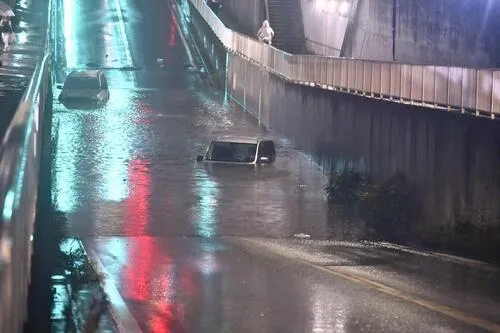
Chiba’s heavy rains sideline police fleet
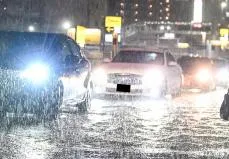
Forty-six police vehicles in Chiba Prefecture were rendered inoperable during recent torrential rains, according to interviews with the Chiba Prefectural Police. The affected vehicles—mainly patrol cars and motorcycles—were deployed in hard-hit areas including Chiba City, Sakura, Yachiyo, and Oamishirasato. Some stalled after becoming submerged while responding to 110 emergency calls; others appeared to function initially but later suffered engine failure. With public safety at stake, the prefecture has moved quickly to ensure that investigations and patrols continue without disruption.
Prefecture asks national government for special fiscal measures
Under Japan’s Police Act, the national government is responsible for purchasing police vehicles. When shortages arise, prefectures may supplement fleets through their own budgets. Of the 46 disabled vehicles in Chiba, 33 are owned by the national government. On August 27, Governor Kumagai submitted a formal request to Disaster Management Minister Akama seeking extraordinary budget support to replace flooded vehicles and to cover leasing costs for temporary replacements until new units are delivered. The request is part of a broader recovery and resilience package aimed at restoring capacity after the downpours and preparing for future severe weather.
Why this matters
Police mobility is central to public safety—especially during weather emergencies when call volumes rise and response times are critical. Chiba’s appeal underscores how extreme rainfall can pose a double challenge: communities face immediate hazards while emergency fleets themselves are exposed to flood damage. Officials emphasized that patrols and investigative work must not be hindered. The prefecture’s call for swift national funding is intended to keep officers on the road, maintain visible policing, and preserve investigative momentum as the recovery continues.
Context: heavier rains and urban flood risk
Japan has seen increasingly intense, short-duration downpours in recent years, often referred to domestically as “guerrilla rainstorms.” Coastal and urbanized prefectures like Chiba are particularly vulnerable to flash flooding when drainage systems are overwhelmed. The incident highlights a broader national conversation about disaster-resilient public assets—from higher-clearance vehicles and water-resistant equipment to refined deployment protocols during flooding. While Japan is globally respected for disaster preparedness and rapid recovery, authorities are continuously refining measures to keep frontline services operating in extreme conditions.
How Japan funds and coordinates policing
Japan’s centralized procurement of police vehicles is designed to standardize quality and ensure cost efficiency nationwide, while giving prefectures room to address local needs. In emergencies, coordination between prefectural governments and the central authorities accelerates decision-making and unlocks special fiscal measures. Chiba’s request fits squarely within this framework and, if approved, would channel funds to purchase replacements and finance interim leases—bridging any gaps so police presence remains robust. The timeline for approvals and delivery typically depends on budgetary processes and supply chains, but the prefecture’s early, formal submission is intended to shorten that runway.
What residents and foreign readers should know
For anyone living, working, or traveling in Chiba and greater Japan: the police emergency number is 110; for fire and medical emergencies, dial 119. Local governments provide flood hazard maps and push alerts—foreign residents can access bilingual resources via municipal websites and the national J-Alert system. During heavy rain, avoid driving through standing water, monitor official advisories, and plan alternative routes. Japan’s authorities are prioritizing continuity of policing despite vehicle losses, reinforcing a broader commitment to safety and reliability that many international residents cite as a key strength of life in Japan.
Outlook
As recovery work proceeds, the focus will be on restoring the fleet, maintaining response times, and incorporating lessons from this event into future procurement and training. Chiba’s proactive request signals intent to move quickly, and it reflects a nationwide culture of resilience: learn fast, adapt, and keep essential services running. The outcome will be closely watched by other prefectures as Japan heads deeper into a season prone to typhoons and sudden downpours.