Tragedy on a Fukuoka “living street”
A 78-year-old woman died on Tuesday night after being run over on a residential “living street” in Fukuoka City’s Minami Ward, in a case that is drawing attention to Japan’s newly tightened speed limits on neighborhood roads and the need for heightened vigilance after dark. Police received a 110 emergency call at around 8:45 p.m. from a 64-year-old woman who reported a collision involving a passenger car and a pedestrian in the Yakatahara area. According to investigators, the driver had just turned left off a national route into a local residential road when she ran over a woman lying on the roadway several dozen meters ahead.
Victim identified; driver calls for help
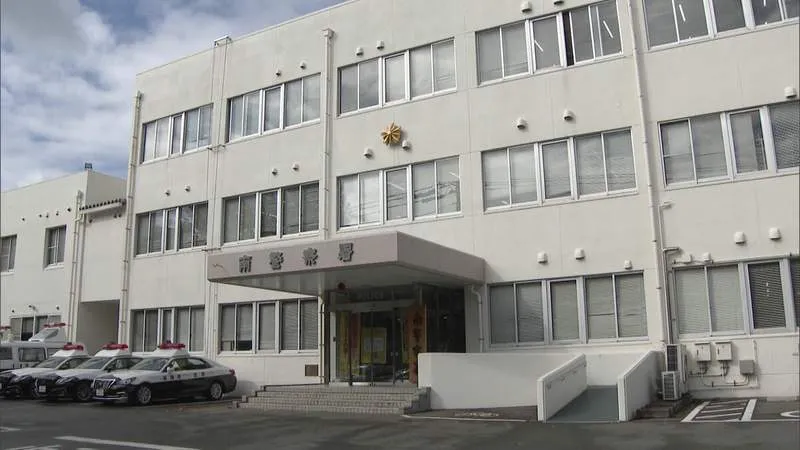
Fukuoka Prefectural Police identified the victim as Mieko Nishiyama, 78, a part-time worker who lived nearby. She was transported to hospital unconscious and was pronounced dead roughly two hours later. The cause of death was traumatic hemorrhagic shock. The driver was uninjured and told police, “A person was lying in the road. The car’s tire went over her.” Investigators believe Nishiyama had been drinking at a nearby restaurant shortly beforehand and had collapsed on the road. While the sequence of events remains under investigation, authorities are examining whether to pursue a charge of negligent driving resulting in death. No arrest had been announced as of early Wednesday.
New law, familiar risk: Japan’s “living streets”
The incident occurred days after an amendment to Japan’s Road Traffic Act took effect on September 1, lowering the statutory speed limit on so-called “seikatsu doro”—residential “living streets”—to 30 km/h nationwide. These narrow, people-first roads are common across Japan and often lack full sidewalks or wide shoulders. They require drivers to prioritize vulnerable road users, especially at night when visibility drops. Police said the car had just completed a left turn when the collision occurred and initial indications are that the vehicle was not exceeding the new 30 km/h limit; however, investigators will analyze dashcam footage, scene evidence, and visibility conditions to determine precise speed and driver attention.
Safety culture underlines Japan’s response
Japan’s road safety record is among the best in the world, supported by swift emergency response, high seatbelt and headlight compliance, and constant legal refinement to protect pedestrians and cyclists. The immediate 110 call by the driver, and the rapid deployment of police and medical services, reflect that culture. Still, the nation’s aging demographics pose fresh challenges: more elderly pedestrians, greater sensitivity to nighttime falls, and the need for community awareness around drinking and safe mobility. Authorities have repeatedly urged motorists to drive well below posted limits when conditions warrant—such as on dimly lit residential lanes—and to anticipate obstacles beyond the beam of their headlights.
Guidance for residents, visitors, and expats
For foreign residents and travelers in Japan, the case is a stark reminder that residential streets demand defensive driving and careful walking. Drivers must expect pedestrians or cyclists in the carriageway, use low-beam and high-beam appropriately, and be prepared to stop at any time. Pedestrians are encouraged to use sidewalks where available, wear reflective items at night, and avoid sitting or resting on the roadway—especially after drinking. In Japan, dial 110 to reach police and 119 for fire/ambulance. Visitors who rent cars should familiarize themselves with the 30 km/h rule on living streets, frequent stop lines at minor intersections, and the right-of-way standards that prioritize people over vehicles in many neighborhood contexts.
What happens next
Police will continue their forensic examination of the scene, including sightlines, lighting conditions, and braking traces, and interview witnesses and nearby businesses. Toxicology for the victim and an assessment of the driver’s attentiveness and speed will inform whether negligent driving charges are filed. Regardless of the legal outcome, the incident underscores why Japan has tightened residential road limits and is expanding traffic-calming measures. The goal is clear: protect lives in the places where people live, walk, and gather, while maintaining Japan’s reputation for safe, orderly streets.