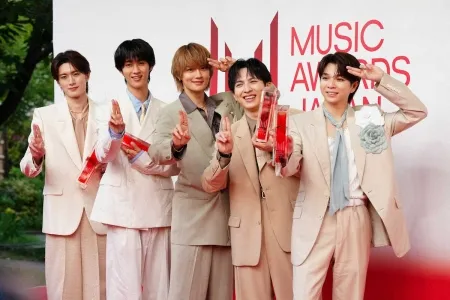
M!LK’s management updates policy to protect artists and fans
The official website of M!LK, a five-member J-pop dance-vocal group, was updated on the 5th with a clear warning against malicious rights infringements—from online slander to unauthorized use of images and merchandise. The group’s management announced a three-part “rights protection policy” designed to safeguard artists’ well-being and preserve a healthy fan community. The message underscores a distinctly Japanese approach to pop culture stewardship: celebrate creativity, but respect boundaries.
What the policy says
First, the agency condemned defamation and privacy violations. It explicitly rejected the spread of falsehoods, insults, and harassment on the internet and social media, as well as stalking, following during travel, and doxxing. In short, conduct that damages dignity or invades privacy is “firmly refused,” with the company urging restraint and self-control from all parties.
Second, the company targeted unauthorized use of portraits and creative works. It stressed that an artist’s likeness (photos, videos, illustrations), names, logos, and official goods are protected by portrait rights, publicity rights, copyright, trademarks, and design rights. Manufacturing, selling, or distributing goods—digital or printed—without permission infringes those rights. Notably, the agency also banned “training AI” on these materials, closing a gray area that has troubled artists worldwide.
Third, the policy addressed reposting and secondary use of official content. Images, videos, and audio published on the official website, social channels, or fan club are protected, and reposting, adapting, or altering them for social media distribution is, in principle, prohibited unless permission is granted.
Enforcement: legal action without prior warning
In a sharp escalation against bad actors, the statement warned that if the policy is violated—through malicious posts that harm reputation, persistent harassment, privacy or portrait-right breaches, or serious commercial infringements—the agency may immediately pursue civil damages and file criminal complaints without prior notice. The message concludes by asking fans to protect the artists’ rights and support them warmly and respectfully.
Why this matters—in Japan and beyond
Japan’s entertainment industry has long balanced openness to enthusiastic fandom with strong protections for reputation and intellectual property. Defamation in Japan can carry both civil and criminal consequences, and portrait rights are broadly respected, especially for public figures. As digital fan cultures expand and AI tools make remixing and replication effortless, agencies are sharpening the rules to keep artists safe and preserve trust within communities.
The AI clause is especially notable. Around the world, artists and labels are grappling with datasets built from scraped images, videos, and recordings. In Japan, the conversation is active: creators seek clarity on how existing IP and portrait-right frameworks apply to AI training, while policymakers debate how to balance innovation and rights protection. M!LK’s management is taking a definitive stance now, signaling that consent is not optional when it comes to using an artist’s likeness or works—even for machine learning.
What overseas fans and creators should know
For international fans living in or engaging with Japan’s pop culture, the guidance is straightforward: enjoy official content as intended; avoid reposting full images, videos, or audio without permission; don’t manufacture or sell unlicensed goods; and steer clear of AI training or generative re-creations based on the group’s likeness or official materials. Fan commentary, respectful discussion, and links to official posts are generally welcome—so long as they don’t cross into harassment or rights violations.
Japan’s clarity here is a strength: by setting bright lines, agencies help protect artists while preserving an energetic, respectful fan ecosystem. For a globally watched J-pop scene like M!LK’s, that means safer stages, healthier timelines, and creative communities that can thrive within well-understood rules.