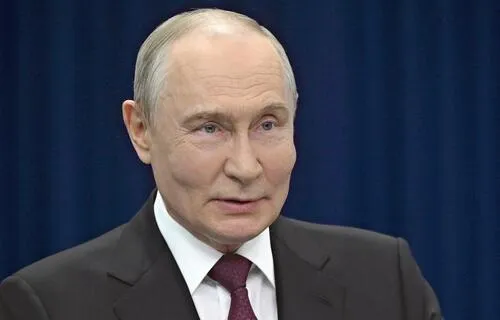
Russia’s leader reframes a contested past
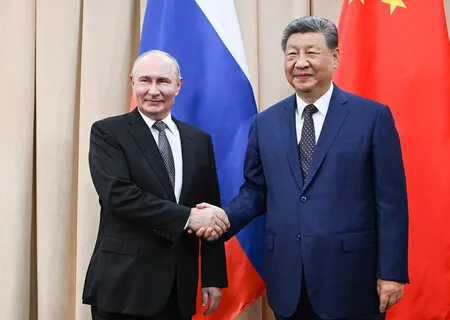
Russian President Vladimir Putin on the 4th described the Soviet Union’s late–World War II operation to seize Japan’s Northern Territories as a “heroic history,” urging that it serve as a guiding example for future generations. Speaking at a meeting on history education, he said “few people know” about the operation, signaling a drive to formalize Moscow’s narrative in schools and public life. He added that commemorative facilities would be completed by 2030, explicitly linking the project to boosting patriotism. The remarks follow his first visit in August to Etorofu (Iturup), one of the four disputed islands, in a pointed display of Russia’s effective control.
Tokyo’s position: Inherent Japanese territory, unresolved since 1945
Japan regards Etorofu (Iturup), Kunashiri (Kunashir), Shikotan, and the Habomai islets as the Northern Territories—an inherent part of Japan that has been under illegal occupation since the end of World War II. Tokyo maintains that the Soviet Union violated the Soviet–Japanese Neutrality Pact when it entered the war against Japan in August 1945, and that the subsequent occupation continued even after Japan accepted the Potsdam Declaration. No peace treaty has ever been concluded between Japan and Russia, leaving a crucial postwar issue unresolved for more than seven decades. Japan has consistently protested actions that reinforce Russian control, including high-level visits and military build-ups on the islands.
What happened in 1945: The contested endgame
In the final days of WWII, Soviet forces advanced into the Kuril chain and took control of the four islands nearest Hokkaido. While Moscow portrays this as a rightful outcome of wartime victory, Japan underscores that the islands were not historically part of the Kurils Japan renounced under the 1951 San Francisco Peace Treaty and argues that acquisition of territory by force contravenes fundamental principles later enshrined in the UN Charter. A 1956 Japan–Soviet Joint Declaration envisioned the return of Shikotan and the Habomai islets following a peace treaty, but that framework has long stalled, especially amid contemporary geopolitical tensions.
Why Putin’s comments matter now
By branding the seizure a “heroic” template for future generations and committing to memorials by 2030, the Kremlin is setting the stage for a more permanent, ideologically fortified claim. Such steps make near-term diplomatic progress harder and risk entrenching narratives that leave little room for compromise. For Japan and its partners, this is a reminder that rule-of-law principles and historical accuracy remain central to regional stability and to any eventual settlement of the territorial issue.
Implications for Japan, the region, and everyday life
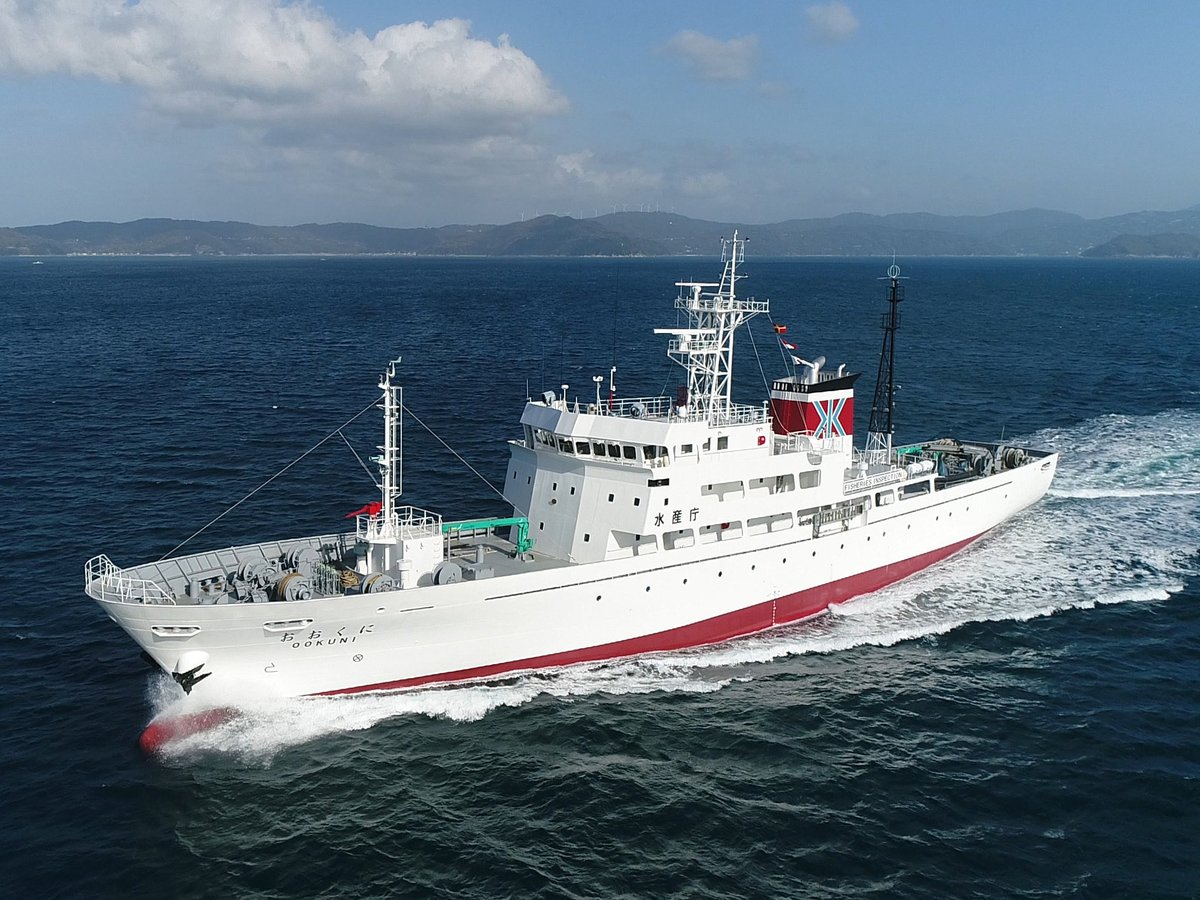
Diplomatically, Russia’s move complicates prospects for restarting peace treaty discussions, which have been effectively frozen. For security planners in Northeast Asia, tightened Russian control—paired with more assertive rhetoric—adds another variable to an already complex environment shaped by China’s rise and North Korea’s missile program. For communities in Hokkaido, particularly in Nemuro and other coastal areas, the dispute affects fisheries access, humanitarian exchanges, and the legacy of former island residents. People-to-people initiatives and visa-free exchanges that once provided a modest bridge have been heavily curtailed in recent years, narrowing the space for trust-building.
For foreign residents and travelers in Japan
While daily life in Japan remains safe, stable, and welcoming, the dispute underscores the importance of staying informed. Foreign residents, students, and business travelers should monitor official advisories from Japan’s Ministry of Foreign Affairs regarding travel to Russia and any changes to visa regimes or sanctions-related restrictions. Japan continues to champion a peaceful, law-based resolution and dialogue—values that underpin its broader openness to international talent, tourism, and investment. Those interested in Japan’s border regions will find museums, archives, and local initiatives in Hokkaido that explain the history of the Northern Territories and Japan’s approach to reconciliation and remembrance.
Looking ahead
Putin’s plan to enshrine the 1945 operation in memorial facilities by 2030 is more than symbolism; it is policy through narrative. Japan, for its part, remains committed to a negotiated solution under international law, even when progress is slow. As the region absorbs this latest rhetorical escalation, the enduring strength of Japan’s democratic institutions, its consistent diplomacy, and its focus on stability will continue to anchor Northeast Asia—and keep the door open, however narrowly, to future dialogue and resolution.